

Winter in India is a tricky beast. In the North, the dry winds from the Himalayas can strip your skin barrier in seconds, while in coastal cities like Mumbai or Chennai, the drop in humidity—however slight—can leave skin looking dull and dehydrated without feeling freezing. As we look ahead, the Winter Skincare Forecast for 2025 suggests a massive shift in how we approach hydration.
Gone are the days when "cold cream India" meant a tub of sticky, heavy grease that sat on top of your pores. The future is about smart hydration—products that penetrate deep, repair the barrier, and feel weightless.
Here is your expert guide to the next big trends in hydrating face cream and how to prep your vanity for the cooler months ahead.
1. Barrier Repair is the New "Moisturizing"
In 2025, the buzzword isn't just "moisture"; it is "barrier support." The Indian consumer is becoming increasingly educated about the stratum corneum (the outer layer of skin). Standard moisturizers might just sit on top, but the best winter cream formulations for 2025 focus on mimicking the skin's natural lipids.
Look for these ingredients:
- Ceramides: The mortar between your skin cells.
- Panthenol (Vitamin B5): For soothing inflammation caused by wool mufflers and dry winds.
- Squalane: A lightweight oil that mimics human sebum, perfect for those who hate the greasy feel of traditional cold creams.
2. The Rise of "Hybrid" Textures
For decades, people with oily or combination skin dreaded winter because they had to choose between dry patches or breaking out from heavy creams. The forecast for 2025 predicts the dominance of emulsion-based technologies.
These are hydrating face creams that offer the occlusion of a balm but the absorption speed of a gel. If you are looking to buy winter cream this season, prioritize textures that melt upon contact. This ensures your skin stays plump without acting as a dust magnet—a crucial feature given the pollution levels in many Indian metros during winter.
3. The "Glazing" Routine: How to Layer Correctly
Trends are useless without the right technique. The 2025 method for winter glowing skin involves strategic layering (often called "glazing" or "slugging light").
Step-by-Step Routine:
- Cleanse Gently: Avoid stripping face washes.
- Targeted Treatment: Before sealing in moisture, address specific concerns. If winter dullness is your enemy, applying a serum for pigmentation ensures you are treating dark spots while hydrating.
- The Main Event: Apply your winter face cream on slightly damp skin. This traps water molecules effectively.
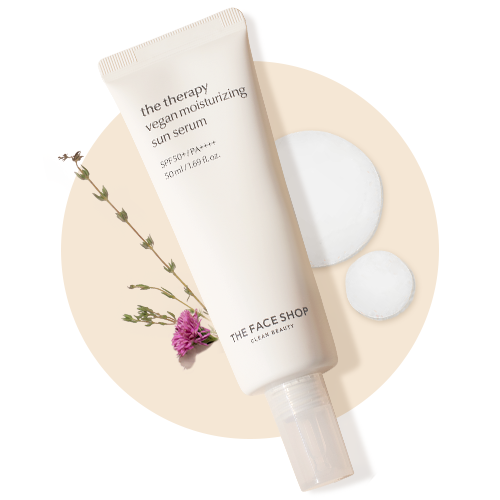
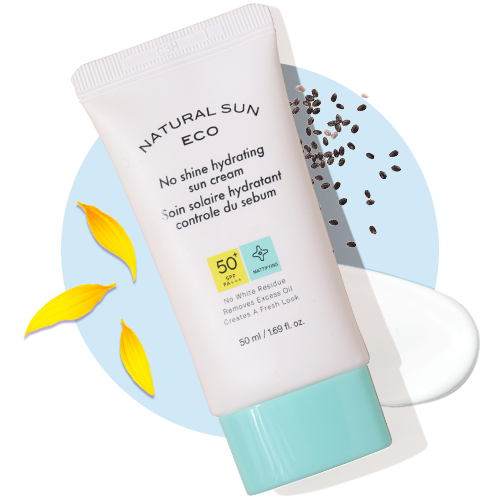
- Don't Skip SPF: The winter sun is deceptive. UVA rays penetrate clouds and fog. Finish your morning routine with a broad-spectrum sunscreen spf 50 to prevent photo-aging.
4. Why "Face Cream Winter" Specifics Matter for Indian Skin
Indian skin is melanin-rich, which offers some sun protection but also makes us more prone to hyperpigmentation when the skin barrier is damaged by dryness. A generic dry skin cream might hydrate, but a formulated winter moisturizer for the Indian market addresses the unique combination of dust, pollution, and dryness.
When shopping, look for products that claim "long-lasting retention." You want a product that doesn't just hydrate for an hour but releases moisture throughout the day.
Frequently Asked Questions (FAQ)
Q: Can I use my summer moisturizer in winter?
A: Generally, no. Summer moisturizers are often water-based and evaporate quickly in dry winter air. You need a richer face cream winter formulation with occlusives (like shea butter or silicones) to seal the moisture in.
Q: What is the difference between cold cream and winter moisturizer?
A: Traditional cold cream India products are usually water-in-oil emulsions (heavy, greasy, good for makeup removal or extreme dryness). Modern winter moisturizers are oil-in-water or advanced emulsions that hydrate deeply without the sticky residue.
Q: Is winter cream bad for acne-prone skin?
A: Not if you choose the right one. Avoid heavy mineral oils if you are acne-prone. Look for "non-comedogenic" on the label. A hydrating cream with hyaluronic acid and soothing herbs is often the best winter cream for oily skin types.
Q: How often should I apply winter cream?
A: Twice daily is standard. However, if you are in a heater-controlled environment or facing harsh winds, a midday touch-up on dry patches is recommended.
Conclusion: Future-Proof Your Skin
As we approach 2025, the focus is shifting from simply covering up dry skin to actively healing it. By choosing ingredients that repair the barrier and textures that suit the Indian climate, you can maintain that summer glow all year round. Whether you are in Delhi's chill or Bangalore's breeze, upgrading your winter moisturizer is the smartest investment you can make this season.