
Quick Summary
Discover the top 5 clay and sheet masks proven to clear acne and control oil for Indian skin in humid weather. See which mask suits your needs and budget.
Struggling with acne and oily skin in India’s relentless humidity? You’re not alone. The combination of heat, pollution, and high moisture can make breakouts and shine feel impossible to control. But the right face mask can be a game-changer for your routine. Here’s a ranked guide to the best clay and sheet masks for acne and oil control, tailored for Indian skin and climate. Each pick is evidence-backed, practical, and easy to fit into your weekly routine.
1. Why Indian Humidity Makes Acne Worse - And How Masks Help
India’s average relative humidity ranges from 60% to 90% in most regions during monsoon and summer. This high moisture traps sweat and sebum, clogging pores and fueling acne-causing bacteria. According to dermatologists, excess oil and pollution particles are leading triggers for breakouts in Indian cities (NCBI).
- Clay masks absorb oil, clear out impurities, and reduce shine.
- Sheet masks can deliver targeted actives like niacinamide or tea tree to calm inflammation and support healing.
Pro tip: Masks are most effective when used 1-2 times a week, not daily, to avoid over-drying.
2. What to Look for in an Acne-Fighting Mask for Indian Skin
Not all masks are created equal, especially for Indian skin tones and weather. Here’s a quick checklist:
- Ingredients: Look for kaolin, bentonite, tea tree, niacinamide, and rice extract.
- Non-comedogenic: Avoid heavy oils or fragrances that can clog pores.
- INR Value: Consider masks that offer at least 4-5 uses per ₹500 spent.
- Quick Results: Opt for masks that show visible oil control or reduced redness within 1-2 uses.
For sensitive or combination skin, patch test first. Some clay masks can be too drying if left on too long, especially in air-conditioned environments.
3. Real Nature Rice Face Mask - Best Sheet Mask for Post-Acne Marks
Rice extract is a time-tested ingredient in Asian skincare, known for brightening and calming inflamed skin. The Real Nature Rice Face Mask from The Face Shop is a top pick for those battling both active breakouts and lingering dark spots.
- Why it works: Rice extract helps fade post-acne pigmentation and soothes redness.
- INR Value: Priced around ₹100-₹120 per mask, it’s an affordable add-on to your weekly routine.
- India-specific tip: Use after sun exposure or during peak humidity for best results.
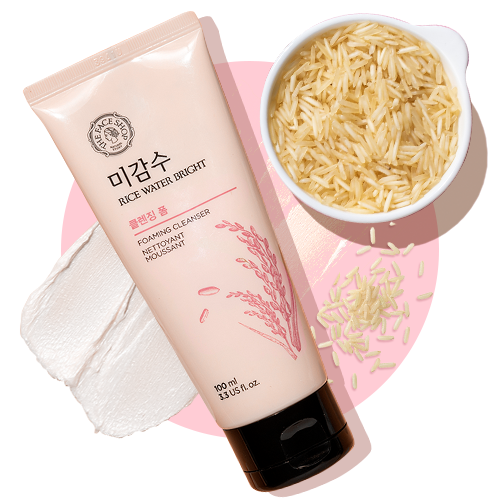
Pair with a gentle cleanser like our Vitamin C Brightening Foaming Face Wash for a double-brightening effect.
4. Clay Masks: The Oil Control Powerhouses
Clay masks are a staple for oily, acne-prone skin in India. Kaolin and bentonite clays are especially effective at drawing out impurities and reducing shine. Studies show that regular use can decrease sebum production by up to 30% (Healthline).
- Application tip: Apply a thin layer, leave for 10-12 minutes, and rinse before it fully dries to avoid irritation.
- Counterintuitive fact: Overusing clay masks can trigger rebound oiliness - stick to once or twice a week.
Look for masks with added niacinamide or tea tree for extra acne-fighting power.
5. Sheet Masks for Breakouts: Fast Relief in Humid Weather
Sheet masks aren’t just for hydration. In India’s sticky climate, formulas with tea tree, centella, or niacinamide can calm angry breakouts and reduce redness quickly. They’re also travel-friendly and mess-free.
- Quick fix: Store sheet masks in the fridge for a cooling effect that shrinks pores and soothes skin after a hot day.
- Budget tip: Buy in multi-packs for better INR value - some collections offer 2 at ₹1499 or 3 at ₹1999 (see offers).
Sheet masks are best for emergency skin resets before events or after long commutes in pollution.
6. How to Layer Masks with Your Indian Skincare Routine
For best results, masks should fit into your routine without disrupting your skin barrier. Here’s a simple order:
- Cleanse with a gentle, non-stripping face wash.
- Apply clay or sheet mask as directed.
- Follow with a lightweight moisturizer, such as our Ceramide & Rice Lightweight Emulsion.
- Use sunscreen in the daytime, even indoors, to prevent pigmentation.
Mini-checklist: Never use a clay mask and exfoliant on the same day. Always moisturize after masking, even if your skin feels oily.
7. INR Value: Getting the Most from Your Mask Investment
With so many options, it’s smart to compare not just price but usage and results. Here’s how to maximize value:
- Clay masks: A 100g tube typically lasts 8-10 uses, averaging ₹50-₹80 per application.
- Sheet masks: Single-use, but bulk packs or combo offers can bring the price below ₹100 per mask.
- Pro tip: Use leftover serum from sheet masks on your neck and hands for extra value.
Watch for combo deals on our multi-mask collections to save more.
8. Common Mistakes to Avoid with Masks in Indian Weather
Even the best mask can backfire if used incorrectly. Here’s what to watch out for:
- Leaving clay masks on until they crack - this can dehydrate and irritate skin.
- Skipping moisturizer after masking, leading to rebound oiliness.
- Using harsh scrubs before or after masking, which can worsen breakouts.
- Not patch testing new masks, especially if you have sensitive or reactive skin.
Always read the instructions and adjust frequency based on your skin’s needs and the current weather.
9. Real Results: What to Expect After 2 Weeks
Consistency is key. Most users in India report:
- Noticeable reduction in oiliness and shine within 2-3 uses.
- Fewer new breakouts after 2 weeks of regular masking.
- Gradual fading of post-acne marks, especially with rice or niacinamide masks.
However, masks are not a cure-all. For severe or cystic acne, consult a dermatologist. Masks work best as part of a balanced routine, not as a standalone solution.
10. Choosing Your Mask: Quick Comparison Table
| Mask | Best For | Key Ingredient | INR Value |
|---|---|---|---|
| Real Nature Rice Face Mask | Post-acne marks, redness | Rice extract | ₹100-₹120/mask |
| Kaolin/Bentonite Clay Mask | Oil control, clogged pores | Kaolin, bentonite | ₹50-₹80/use |
| Tea Tree Sheet Mask | Active breakouts, inflammation | Tea tree, centella | ₹100-₹120/mask |
| Niacinamide Sheet Mask | Redness, oil balance | Niacinamide | ₹100-₹120/mask |
| Charcoal Clay Mask | Deep pore cleansing | Charcoal, clay | ₹60-₹90/use |
Choose based on your main concern and budget. For multi-tasking, alternate between a clay mask and a sheet mask each week.
Conclusion: Your Mask, Your Routine
Finding the best face mask for acne and oil control in India’s humidity is about matching ingredients to your skin’s needs and your lifestyle. Whether you choose a clay mask for deep cleansing or a sheet mask for calming breakouts, consistency and smart usage will deliver the best results. Remember to patch test, moisturize, and enjoy the process - your skin will thank you.
FAQ
How often should I use a clay or sheet mask for acne in India?
1-2 times a week is ideal. Overuse can dry out skin or trigger rebound oiliness, especially in humid weather.
Can I use a clay mask and a sheet mask on the same day?
It’s best to alternate. Using both on the same day can irritate skin, especially if you have sensitivity or active breakouts.
Are these masks suitable for all Indian skin tones?
Yes, the recommended masks are chosen for their gentle, non-bleaching ingredients and are suitable for all Indian skin tones.
What should I do if I experience irritation after masking?
Rinse off immediately, apply a gentle moisturizer, and avoid actives for 24 hours. Patch test new masks before full use.
Do I need to moisturize after using a mask if my skin is oily?
Yes. Even oily skin needs hydration after masking to prevent rebound oiliness and maintain a healthy barrier.