

Quick Summary
Struggling with stubborn dark spots in India’s polluted cities? Discover why urban pollution worsens pigmentation and which proven ingredients can help you finally fade those marks.
Dark spots and uneven skin tone are common frustrations for many Indians, especially those living in bustling, polluted cities like Delhi, Mumbai, and Bengaluru. If you’ve tried countless creams and home remedies with little success, you’re not alone. Urban pollution, intense sun, and unique Indian skin needs make pigmentation stubborn, but with the right knowledge and ingredients, you can finally see real results. Here’s a practical, evidence-led guide tailored for Indian skin and city life.
1. Why Are Dark Spots So Persistent in Indian Cities?
Pollution in Indian metros is among the world’s highest. According to the World Air Quality Report, Delhi and Kolkata consistently rank in the top 10 most polluted cities globally. Fine particulate matter (PM2.5), vehicle emissions, and industrial pollutants not only clog pores but also trigger oxidative stress in skin cells. This stress increases melanin production, leading to stubborn dark spots and uneven skin tone, especially for medium to deep Indian skin tones that are more prone to hyperpigmentation.
- Fact: Studies from NCBI show that pollution exposure can increase pigmentation by up to 20%.
- Counterintuitive: Even if you stay indoors, indoor air pollution (from cooking, incense, or ACs) can still worsen pigmentation.
2. The Indian Skin Barrier: Why It Needs Extra Care
Indian skin is typically more melanin-rich, which offers some natural sun protection but also means it reacts strongly to inflammation and pollution. The skin barrier, your body’s natural shield, can be weakened by harsh cleansers, over-exfoliation, and environmental stress. A compromised barrier lets in more pollutants, making dark spots even harder to treat.
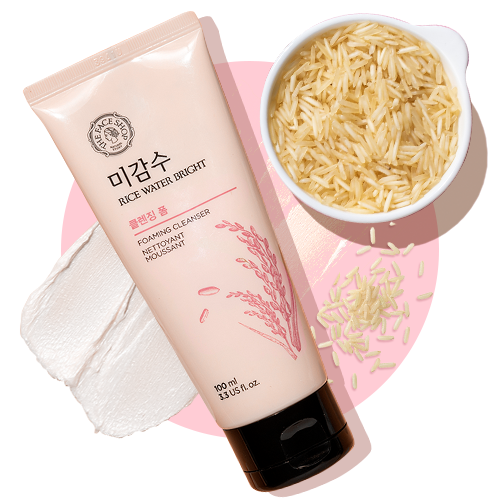
- Look for gentle, hydrating cleansers like Rice Water Bright Cleansing Foam that remove impurities without stripping moisture.
- Barrier-repairing moisturisers, such as those with ceramides and rice extracts, can help restore resilience. Try Ceramide & Rice Lightweight Emulsion for a non-greasy, INR-friendly option.
3. Pollution and Pigmentation: The Science Behind the Stubbornness
Pollution particles generate free radicals, which damage skin cells and trigger melanin overproduction. In India, the combination of pollution and strong UV rays creates a double assault, making pigmentation more stubborn than in less polluted countries. Sunscreen alone isn’t enough; you need antioxidants and targeted actives to break the cycle.
- Tip: Use antioxidant-rich products in the morning to neutralise free radicals before stepping out.
- Example: Vitamin C serums are proven to reduce oxidative stress and brighten skin.
4. Ingredients That Actually Work for Indian Skin
Not all brightening ingredients are created equal, and some can irritate Indian skin or worsen pigmentation if used incorrectly. Here are the most effective, well-tolerated options:
- Vitamin C: Fights free radicals, fades dark spots, and boosts radiance. Choose stable, non-irritating formulas like Vitamin C Brightening Foaming Face Wash.
- Niacinamide: Reduces inflammation, controls oil, and lightens pigmentation. Works well in humid Indian climates.
- Rice Extract: Traditional Asian ingredient, gentle and effective for brightening and soothing.
- Alpha Arbutin: Targets melanin production with minimal irritation.
- Ceramides: Repair the skin barrier, making other actives more effective.
Note: Avoid high concentrations of retinol or hydroquinone without dermatologist supervision, as these can cause irritation or rebound pigmentation in Indian skin.
5. Building a Pollution-Proof Skincare Routine
Consistency is key. Here’s a simple, INR-smart routine for city dwellers:
-
Morning:
- Gentle cleanse with Rice Water Bright Cleansing Foam
- Antioxidant serum (Vitamin C or Niacinamide)
- Lightweight moisturiser (Ceramide & Rice Emulsion)
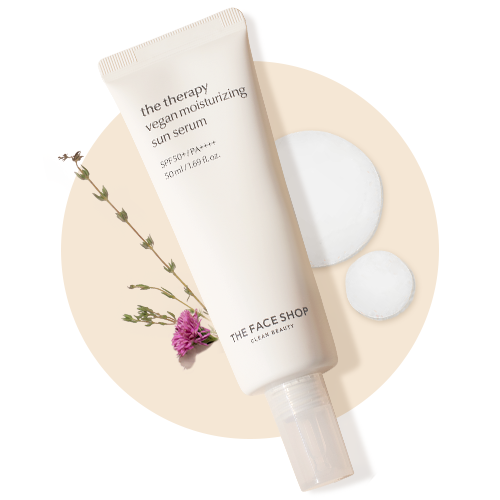
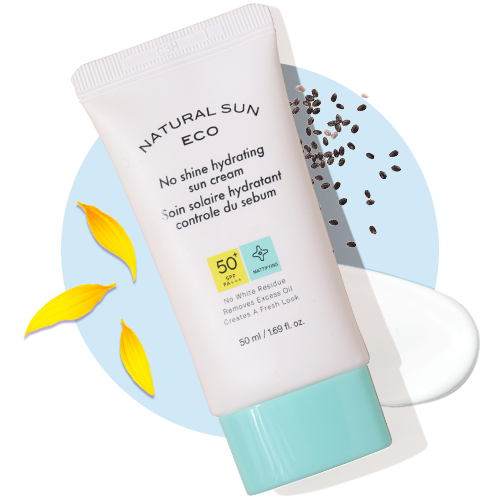
- Broad-spectrum sunscreen (SPF 30+)
-
Evening:
- Double cleanse if exposed to heavy pollution
- Targeted serum (Alpha Arbutin or Niacinamide)
- Barrier-repair moisturiser
Shop the Uneven Skin Tone collection for curated solutions.
6. INR Value: Are Effective Ingredients Affordable?
Many believe that only expensive serums can fade dark spots, but effective options exist at various price points in India. For example, a quality Vitamin C cleanser or serum can start from INR 500, while barrier-repair moisturisers are available for under INR 1000. Investing in a targeted routine is often more cost-effective than trying multiple random products.
- Look for value bundles like 2 AT 1499 and 3 AT 1999 to save on essentials.
- Prioritise actives with proven research over trendy but untested ingredients.
7. Lifestyle Tweaks: Diet, Habits, and Pollution Protection
Skincare isn’t just about products. In India, spicy foods, high sugar intake, and stress can worsen pigmentation. Here’s what helps:
- Eat antioxidant-rich foods: citrus fruits, amla, tomatoes, and green leafy vegetables.
- Stay hydrated; aim for at least 2 litres of water daily, especially in summer.
- Use scarves or hats outdoors to physically block pollution and sun.
- Clean pillowcases and avoid touching your face to reduce transfer of pollutants.
While these won’t erase dark spots alone, they support your skincare routine for better results.
8. When to See a Dermatologist: Setting Realistic Expectations
Some pigmentation, such as melasma or deep post-acne marks, may not fully fade with over-the-counter products. If you see no improvement after 12 weeks of consistent use, or if spots are rapidly spreading, consult a certified dermatologist. Treatments like chemical peels or prescription creams may be needed for stubborn cases.
- Limitation: No topical product can deliver overnight results. Expect gradual fading over 2-3 months.
- Trust tip: Always patch-test new products and introduce one active at a time to avoid irritation.
9. Real Results: What Indian Consumers Say
Many Indian users report visible improvement in dark spots after switching to routines focused on Vitamin C, Niacinamide, and barrier repair. For example, a Mumbai-based customer shared that using a Vitamin C cleanser and Niacinamide serum for 8 weeks reduced her acne marks by 40% with fewer breakouts, even during peak pollution season.
- Consistency, patience, and the right ingredients matter more than expensive, imported products.
- Check out the Post Acne Marks collection for targeted solutions.
10. Quick Checklist: Your Pollution-Fighting Pigmentation Routine
- Gentle, non-stripping cleanser (morning & night)
- Antioxidant serum (Vitamin C or Niacinamide)
- Barrier-repair moisturiser with ceramides or rice extract
- Broad-spectrum sunscreen every morning
- Protective clothing outdoors
- Healthy, antioxidant-rich diet
- Patch-test and introduce new actives slowly
With these steps, you can finally tackle stubborn dark spots, even in India’s most polluted cities.
FAQ
Why do my dark spots keep coming back even after treatment?
In Indian cities, ongoing exposure to pollution and sun can trigger melanin production, causing dark spots to reappear. Consistent use of antioxidants, sunscreen, and barrier-repair products is essential to prevent recurrence.
Are home remedies effective for fading dark spots in India?
Most home remedies lack scientific backing and may irritate Indian skin, especially in polluted environments. Evidence-based ingredients like Vitamin C and Niacinamide are safer and more effective.
How long does it take to see results from a pigmentation routine?
Visible improvement typically takes 8-12 weeks of consistent use. Deeper pigmentation may require longer or professional treatments.
Can I use multiple brightening ingredients together?
Yes, but introduce one new active at a time and patch-test to avoid irritation. Combining Vitamin C in the morning and Niacinamide at night is a well-tolerated approach for Indian skin.
Is it necessary to use sunscreen indoors in India?
Yes. Indoor light and pollution can still contribute to pigmentation. Daily sunscreen use is crucial, even when staying inside.