


Quick Summary
Is double cleansing a must for achieving glass skin in India's polluted cities? Dermatologists weigh in on its real benefits, trade-offs, and how to adapt this K-beauty step for Indian skin and budgets.
Double cleansing is a K-beauty ritual that promises luminous, poreless 'glass skin.' But is it truly necessary for Indian skin types, especially in cities like Delhi, Mumbai, or Bengaluru where pollution is a daily reality? We asked dermatologists and K-beauty experts to break down the science, the trade-offs, and practical tips for Indian consumers.
What Is Double Cleansing? The K-Beauty Step Explained
Double cleansing means using two cleansers: first, an oil-based cleanser to dissolve makeup, sunscreen, and sebum; second, a water-based cleanser to remove sweat, dirt, and leftover impurities. This routine, popularized by K-beauty, is designed to leave skin ultra-clean without stripping its natural barrier.
- Step 1: Oil cleanser lifts oil-based impurities (makeup, sunscreen, pollution particles).
- Step 2: Water-based cleanser removes sweat, dust, and residue.
In India, where sunscreen and pollution are daily concerns, this approach can be especially relevant.
Why Pollution in Indian Cities Changes the Cleansing Game
According to the World Air Quality Report, Indian metros like Delhi and Kolkata consistently rank among the world's most polluted cities. Fine particulate matter (PM2.5) and heavy metals can settle on skin, clog pores, and accelerate aging. Dermatologists in India report a rise in pollution-related skin issues: dullness, breakouts, and sensitivity.
- Studies show that PM2.5 can penetrate pores, making thorough cleansing essential (NCBI).
- Traditional single-step cleansing may not fully remove these pollutants, especially when combined with sunscreen and makeup.
Double cleansing, when done correctly, can help address these unique urban challenges.
Is Double Cleansing Necessary for 'Glass Skin' in India?
‘Glass skin’ refers to a clear, smooth, and intensely hydrated complexion. In the Indian context, achieving this look is complicated by pollution, humidity, and diverse skin tones. Dermatologists agree that while double cleansing is not mandatory for everyone, it can be a game-changer for:
- People exposed to high pollution or who wear sunscreen/makeup daily
- Those with oily or combination skin prone to clogged pores
- Anyone targeting visible dullness or uneven skin tone
However, those with very dry or sensitive skin should approach with caution and select gentle, fragrance-free formulas.
How to Double Cleanse: A Step-by-Step Routine for Indian Skin
Here’s a dermatologist-approved double cleansing routine tailored for Indian conditions:
- Oil-Based Cleanser: Apply to dry skin, massage gently for 30-60 seconds. Focus on areas with heavy sunscreen or pollution exposure.
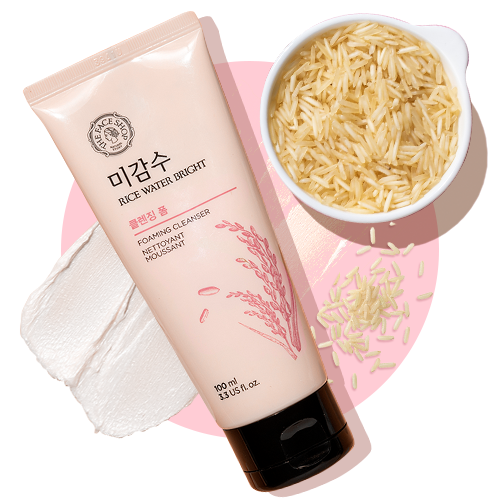
- Water-Based Cleanser: Use a gentle foaming or gel cleanser, such as Rice Water Bright Cleansing Foam 150 ml, to wash away residue. Rinse with lukewarm water.
- Pat Dry: Use a soft towel; avoid rubbing.
- Follow with Hydration: Immediately apply toner, serum, and moisturizer to lock in moisture.
Tip: If you have sensitive skin, limit double cleansing to evenings or days with heavy pollution/makeup.
Trade-Offs: When Double Cleansing Might Not Be Right for You
While double cleansing offers deep cleaning, it’s not always the best choice for every skin type or budget. Consider these trade-offs:
- Cost: Quality cleansers can range from INR 500 to INR 2000 each. For some, this may not fit a daily routine.
- Time: Two-step cleansing adds 2-4 minutes to your routine.
- Over-cleansing Risk: Sensitive or dry skin may experience irritation if cleansed too often or with harsh products.
Dermatologists recommend patch-testing new cleansers and adjusting frequency based on your skin’s response.
India-Specific Tips: Adapting Double Cleansing for Local Climates
India’s climate varies from humid coastal cities to dry northern regions. Here’s how to adapt:
- Humid Cities (Mumbai, Chennai): Opt for lightweight, non-comedogenic cleansers to prevent clogged pores.
- Dry Regions (Delhi, Jaipur): Choose hydrating cleansers with ingredients like hyaluronic acid or centella.
- Monsoon Season: Use gentle cleansers to avoid stripping skin during frequent washing.
Look for products with minimal fragrance and avoid alcohol-based formulas, which can irritate Indian skin types.
Evidence-Led Ingredient Picks for Indian Skin
Dermatologists recommend looking for these ingredients in your double cleansing routine:
- Rice Water: Brightens and soothes, ideal for uneven skin tone. Try Rice Water Bright Cleansing Foam 150 ml.
- Green Tea: Antioxidant-rich, helps fight pollution-induced damage.
- Centella Asiatica: Calms irritation, suitable for sensitive skin.
- Betaine Salicylate: Gently exfoliates, helps prevent clogged pores.
Always check ingredient lists and avoid harsh sulfates or strong fragrances, especially if you have sensitive skin.
Routine Guide: Building Your Glass Skin Regimen in India
Double cleansing is just the first step. For true glass skin, dermatologists suggest a holistic approach:
- Cleanse: Double cleanse in the evening, single cleanse in the morning.
- Hydrate: Use a hydrating toner and serum with hyaluronic acid.
- Treat: Target concerns like pigmentation with vitamin C or niacinamide.
- Moisturize: Choose a lightweight gel or cream based on your climate.
- Protect: Apply broad-spectrum sunscreen daily, even indoors.
- Weekly Sheet Mask: Try Sheet Masks for an extra glow boost.
Consistency is key. Results typically show in 4-8 weeks with regular use.
Budgeting for Double Cleansing: INR Value Tips
Concerned about cost? Here’s how to get the most value:
- Look for combo offers, such as 2 AT 1499 and 3 AT 1999, to save on cleansers and sheet masks.
- Invest in a gentle, multi-tasking cleanser if you wear minimal makeup or sunscreen.
- Patch-test smaller sizes before committing to full-size products.
Remember, effective cleansing does not always mean the most expensive product. Focus on ingredients and your skin’s needs.
Expert Verdict: Should You Double Cleanse for Glass Skin in India?
Dermatologists agree: double cleansing can be a valuable step for achieving glass skin in polluted Indian cities, especially if you wear sunscreen or makeup daily. However, it’s not a one-size-fits-all solution. Listen to your skin, start slow, and adjust based on results. For many, a gentle single cleanse may suffice on low-exposure days.
For more on routines for uneven skin tone, see our Uneven Skin Tone collection.
FAQ
Is double cleansing safe for sensitive Indian skin?
Yes, if you use gentle, fragrance-free cleansers and limit frequency to evenings or high-exposure days. Always patch-test first.
Can I double cleanse if I have acne-prone skin?
Yes, but choose non-comedogenic formulas and avoid harsh scrubs. Ingredients like betaine salicylate or green tea can help.
How often should I double cleanse in Indian cities?
Most dermatologists recommend double cleansing in the evening, especially after heavy pollution or sunscreen use. Morning double cleansing is usually unnecessary.
Will double cleansing lighten my skin?
No, but it can help remove dullness and improve clarity by thoroughly cleansing pores. For pigmentation, add targeted serums.
Is it okay to use the same cleanser for both steps?
No, oil and water-based cleansers serve different purposes. For best results, use one of each type.