
Quick Summary
Struggling with post-acne marks that just won’t fade in India’s humid climate? Discover why Indian skin faces unique challenges and how K-Beauty routines can help you achieve clear, glass-like skin.
Understanding Why Post-Acne Marks Linger on Indian Skin
Many Indians notice that their post-acne marks, whether brown (PIH) or red (PIE), seem to linger for months, sometimes even years. This isn’t just your imagination. Indian skin, which often falls in the medium to deep Fitzpatrick scale, is more prone to hyperpigmentation due to higher melanin content. Combine this with India’s humid, hot climate and high UV index, and you have a recipe for stubborn marks that refuse to fade.
- Fact: Studies show that Indian skin is up to 3x more likely to develop PIH than lighter skin types (source).
- Counterintuitive: Even oily skin types can experience dehydration, which slows down healing and pigment turnover.
How Indian Weather Makes Fading Acne Marks Harder
India’s climate is unique: high humidity, intense heat, and relentless sun. These factors can worsen post-acne pigmentation:
- Humidity increases sweat and oil, which can irritate healing skin and trigger more pigmentation.
- Heat dilates blood vessels, making red marks (PIE) appear more prominent and persistent.
- UV exposure stimulates melanin production, deepening dark spots even if you’re mostly indoors.
Practical tip: Even a short walk to the market without sunscreen can set back your progress by weeks.
What Is 'Glass Skin' - And Why Is It So Coveted?
'Glass skin' is a K-Beauty term describing skin that looks poreless, luminous, and perfectly even-toned - like glass. For Indian consumers, this means not just fading marks but achieving a hydrated, radiant, and healthy complexion. The glass skin approach focuses on:
- Deep hydration (not just oil control)
- Gentle exfoliation
- Consistent brightening
- Barrier repair
Unlike harsh spot treatments, the glass skin routine is about gradual, visible transformation - ideal for Indian skin that’s easily sensitized.
Why Typical Spot Treatments Often Fail in India
Many spot treatments sold in India contain high concentrations of acids or bleaching agents. While these may work on lighter skin in cooler climates, they often:
- Cause irritation, leading to rebound pigmentation
- Dry out the skin, worsening dehydration and slowing healing
- Don’t address underlying inflammation or barrier damage
Evidence: Dermatologists in India recommend gentle, multi-step routines over aggressive one-step solutions (Vogue India).
The K-Beauty Routine: A Proven Solution for Stubborn Marks
K-Beauty routines are designed for sensitive, pigment-prone skin - making them ideal for Indian consumers. Here’s how a typical routine tackles stubborn marks:
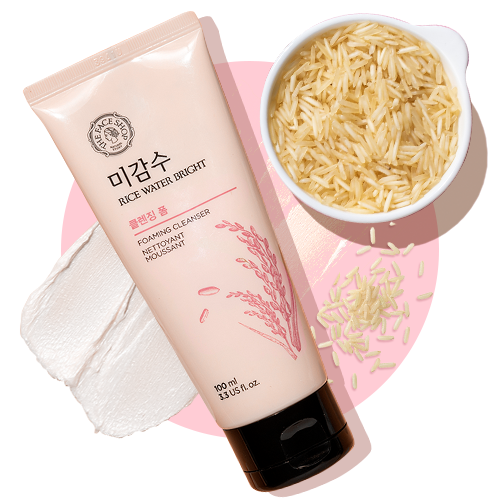
- Gentle Cleansing: Use a mild foaming cleanser like Rice Water Bright Cleansing Foam to remove sweat, oil, and pollution without stripping the skin.
- Hydrating Toner: Apply a lightweight toner from the Hydrating Toner collection to prep skin and boost absorption of actives.
- Targeted Serum: Look for ingredients like niacinamide, vitamin C, and snail mucin, which are proven to fade marks and brighten skin.
- Barrier Repair: Lock in moisture and strengthen your skin’s defenses with Ceramide & Rice Lightweight Emulsion for Barrier Repair.
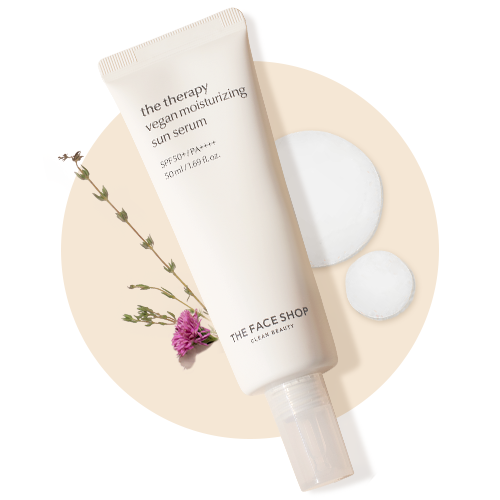
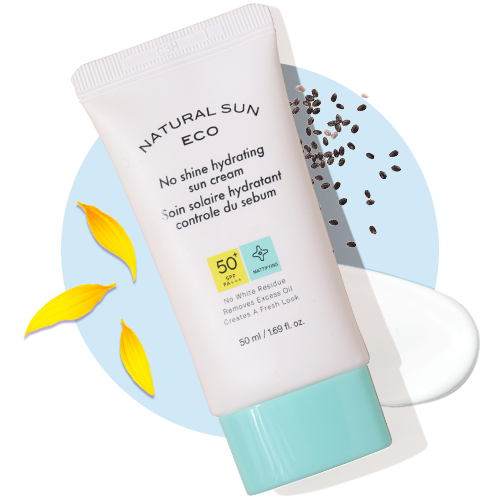
- Daily Sunscreen: Never skip SPF, even indoors, to prevent new marks.
Mini-checklist for Indian weather:
- Choose lightweight, non-comedogenic formulas
- Layer hydration to counteract both oiliness and dehydration
- Reapply sunscreen every 2-3 hours if outdoors
Key K-Beauty Ingredients That Work for Indian Skin
Not all brightening ingredients are created equal. For Indian skin, look for:
- Niacinamide: Reduces pigmentation and strengthens the skin barrier. Studies show visible improvement in 8-12 weeks.
- Vitamin C: Fights free radicals and fades dark spots. Opt for stable, gentle formulas suitable for humid climates.
- Rice Extract: Traditional Asian remedy for brightening and soothing. Now available in modern, lightweight emulsions.
- Centella Asiatica: Calms inflammation and speeds up healing - crucial for red marks.
- Snail Mucin: Hydrates and repairs without heaviness, ideal for oily or combination skin.
Practical example: A serum with 5% niacinamide and rice extract typically costs between INR 800–1,500 in India, offering visible results without harsh side effects.
Routine Tweaks for Humid Indian Summers vs. Dry Winters
Your routine should adapt to the season:
- Summer: Use gel-based hydrators and lightweight emulsions. Avoid heavy creams that can clog pores in humidity.
- Winter: Layer a hydrating toner with a richer emulsion to prevent dehydration and flakiness.
Counterintuitive tip: Even in monsoon, air conditioning can dry out your skin, so don’t skip hydration steps.
How to Layer for Maximum Results (and Avoid Sensitivity)
The order and combination of products matter:
- Cleanser
- Toner
- Serum (wait 1-2 minutes for absorption)
- Emulsion or moisturizer
- Sunscreen (AM only)
Tips for Indian skin:
- Introduce new actives one at a time to monitor reactions
- Patch test behind the ear before full-face use
- Start with lower concentrations if you have sensitive skin
How Long Does It Take to See Results? (And What to Expect)
Fading post-acne marks is a marathon, not a sprint. On average, Indian consumers see:
- Initial brightening in 4-6 weeks
- Significant fading of brown marks in 8-12 weeks
- Red marks may take 3-6 months, especially in humid climates
Limitation: Genetics, hormones, and ongoing breakouts can slow progress. Consistency is key - skipping sunscreen or actives can undo weeks of effort.
Smart Shopping: What to Look for (and Avoid) in India
When buying K-Beauty products in India, consider:
- Authenticity: Buy from trusted retailers to avoid counterfeits.
- Value: Multi-use products (like emulsions that hydrate and brighten) offer better INR value.
- Ingredients: Avoid hydroquinone and high-strength acids unless prescribed by a dermatologist.
- Packaging: Opt for airless pumps or opaque bottles to protect actives from heat and light.
For a gentle, brightening cleanse, try Vitamin C Brightening Foaming Face Wash - a popular choice for Indian skin types.
Realistic Expectations: When to See a Dermatologist
If your marks are not improving after 3-4 months of consistent routine, or if you notice worsening pigmentation, consult a dermatologist. Some marks may require prescription treatments or in-clinic procedures. K-Beauty routines are excellent for prevention and mild-to-moderate marks, but severe cases need expert care.
FAQs: Fading Post-Acne Marks in Indian Weather
-
How often should I exfoliate to fade marks?
For Indian skin, 1-2 times per week with a gentle chemical exfoliant is enough. Over-exfoliation can worsen pigmentation. -
Can I use vitamin C and niacinamide together?
Yes, modern formulations are stable and safe to layer. Apply vitamin C first, then niacinamide serum. -
Is sunscreen necessary if I’m indoors?
Yes, UV rays penetrate windows and can darken marks. Use SPF daily, even at home. -
How do I prevent new marks from forming?
Avoid picking pimples, use gentle cleansers, and maintain a consistent barrier-repair routine. -
Are K-Beauty products suitable for sensitive Indian skin?
Most K-Beauty lines, like The Face Shop, are formulated for sensitive, pigment-prone skin. Always patch test first.
FAQ
How often should I exfoliate to fade marks?
For Indian skin, 1-2 times per week with a gentle chemical exfoliant is enough. Over-exfoliation can worsen pigmentation.
Can I use vitamin C and niacinamide together?
Yes, modern formulations are stable and safe to layer. Apply vitamin C first, then niacinamide serum.
Is sunscreen necessary if I’m indoors?
Yes, UV rays penetrate windows and can darken marks. Use SPF daily, even at home.
How do I prevent new marks from forming?
Avoid picking pimples, use gentle cleansers, and maintain a consistent barrier-repair routine.
Are K-Beauty products suitable for sensitive Indian skin?
Most K-Beauty lines, like The Face Shop, are formulated for sensitive, pigment-prone skin. Always patch test first.