
Quick Summary
Discover a dermatologist-informed, step-by-step night routine tailored for sensitive Indian skin with stubborn pigmentation. Learn how to fade dark spots gently, avoid redness, and choose the right products for your skin type and climate.
Hyperpigmentation is a persistent concern for many in India, especially if you have sensitive skin. The wrong approach can lead to irritation, redness, or even worsen dark spots. But with the right night routine, you can fade pigmentation effectively - without risking your skin barrier. This guide walks you through a dermatologist-informed, step-by-step regimen tailored for Indian skin and climate, using gentle yet proven ingredients and practical layering techniques.
1. Why Indian Skin Needs a Special Approach to Pigmentation
Indian skin is more prone to hyperpigmentation due to higher melanin content and frequent sun exposure. Humid weather, pollution, and even spicy diets can trigger sensitivity and dark spots. Studies from NCBI confirm that Indian skin often reacts with redness or irritation to harsh actives. That’s why a gentle, barrier-supportive routine is crucial.
- Fact: Over 60% of Indian dermatology patients report post-inflammatory hyperpigmentation after acne or rashes.
- Tip: Always patch test new products and introduce actives slowly.
2. Start with a Mild, Non-Stripping Cleanser
Cleansing is the foundation of any night routine. For sensitive, pigmented skin, avoid harsh foaming agents or fragrances. Instead, choose a gentle, pH-balanced cleanser that removes dirt and sunscreen without disrupting your skin barrier.
- Look for formulas with rice water, ceramides, or glycerin.
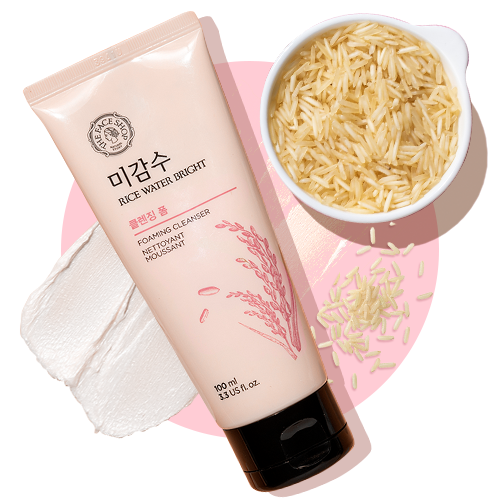
- Example: Rice Water Bright Cleansing Foam is a popular choice for Indian skin, priced around INR 650 for 100ml.
- Rinse with lukewarm water and pat dry - never rub.
3. The Power of Hydrating Toners and Essences
After cleansing, a hydrating toner or essence preps your skin to absorb actives better. In India’s humid climate, lightweight, water-based formulas prevent stickiness and help calm sensitivity.
- Choose toners with ingredients like hyaluronic acid, rice extract, or panthenol.
- Apply with your palms for minimal friction.
- Mini-checklist: Avoid alcohol, witch hazel, or strong essential oils.
Hydration supports your skin barrier, making it less reactive to pigmentation treatments.
4. Targeted Actives: Gentle Ingredients That Work for Sensitive Skin
Many pigmentation-fading actives can irritate sensitive skin if used incorrectly. Here’s how to choose and layer them safely:
- Niacinamide (2-5%): Reduces dark spots, strengthens the barrier, and is well-tolerated by most Indian skin types.
- Vitamin C (low to moderate strength): Brightens and protects, but opt for stable, buffered formulas to avoid stinging.
- Alpha Arbutin (2%): Fades pigmentation gently without bleaching.
- Mini-checklist: Introduce one active at a time, use every other night initially, and monitor for redness.
For a curated selection, explore our Uneven Skin Tone collection for gentle, effective options.
5. Barrier Repair: The Unsung Hero in Pigmentation Care
Indian dermatologists emphasize that a healthy skin barrier is essential for fading pigmentation - especially if your skin is sensitive. Without it, actives can cause more harm than good.
- Look for moisturizers rich in ceramides, rice extract, or panthenol.
- Example: Ceramide & Rice Lightweight Emulsion for Barrier Repair is ideal for humid Indian nights and costs around INR 900 for 150ml.
- Apply as the last step to lock in actives and hydration.
Barrier repair reduces redness, soothes sensitivity, and helps your skin recover overnight.
6. Layering Techniques: How to Avoid Redness and Overload
Layering is key for sensitive skin. The wrong order or too many actives can trigger irritation. Here’s a simple, effective sequence:
- Cleanser
- Hydrating toner/essence
- Targeted serum (niacinamide, vitamin C, or alpha arbutin - never all at once)
- Barrier-repair moisturizer
- Wait 1-2 minutes between steps for better absorption.
- Use the “sandwich method” for stronger actives: moisturizer, then active, then moisturizer again.
- Never mix exfoliating acids with vitamin C or retinol in the same routine.
7. Lifestyle Tweaks: Diet, Sleep, and Sun Protection for Indian Skin
Skincare is only part of the solution. Your lifestyle can make or break your pigmentation-fading efforts:
- Diet: Include antioxidant-rich foods like amla, tomatoes, and green leafy vegetables. Limit spicy, oily foods that can trigger inflammation.
- Sleep: Aim for 7-8 hours to allow skin repair. Poor sleep increases cortisol, which can worsen pigmentation.
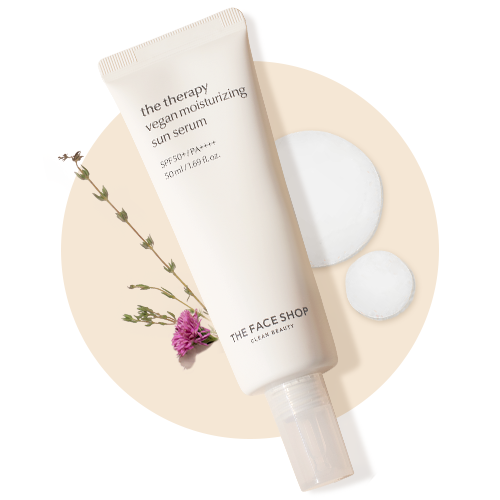
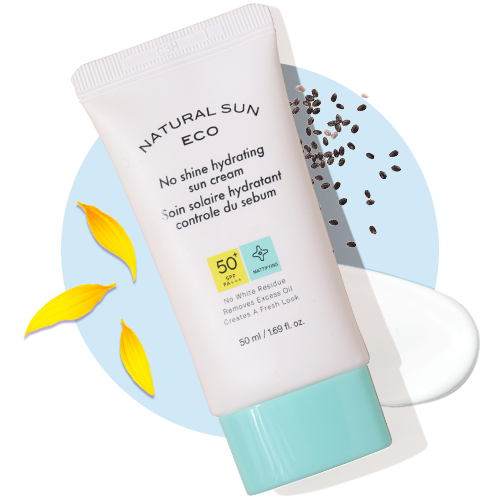
- Sun Protection: Even at night, apply sunscreen as the last step if you’re exposed to indoor lights or screens before bed. Reapply in the morning without fail.
Remember, Indian summers and pollution can intensify pigmentation, so consistent protection is vital.
8. Do’s and Don’ts: Sensitive, Pigmented Skin Edition
- Do: Patch test every new product for 48 hours.
- Do: Use fragrance-free, hypoallergenic formulas.
- Do: Listen to your skin - reduce frequency if you notice redness or stinging.
- Don’t: Layer multiple strong actives together.
- Don’t: Use physical scrubs or harsh exfoliants.
- Don’t: Skip moisturizer, even if your skin feels oily.
For more targeted solutions, check our Post Acne Marks collection.
9. How to Track Progress and When to Seek Help
Fading pigmentation on sensitive skin is a marathon, not a sprint. Here’s how to stay on track:
- Take photos every 2 weeks in natural light to monitor changes.
- Expect visible improvement in 8-12 weeks with consistent use.
- If you experience persistent redness, burning, or worsening spots, consult a dermatologist promptly.
Some types of pigmentation (like melasma) may need prescription treatments. Always prioritize your skin’s comfort and safety.
10. Gentle Night Routine: Step-by-Step Recap for Indian Skin
- Cleanse: Use a mild, non-stripping cleanser.
- Hydrate: Apply a soothing toner or essence.
- Treat: Use a single, gentle active serum (niacinamide, vitamin C, or alpha arbutin).
- Moisturize: Lock in hydration with a ceramide-rich emulsion.
- Protect: If exposed to screens or indoor lights, finish with a light sunscreen.
Stick to this routine for at least 2-3 months, adjusting based on your skin’s feedback. For value bundles, explore our 2 AT 1499 and 3 AT 1999 offers.
FAQ
Can I use vitamin C and niacinamide together for pigmentation on sensitive skin?
For sensitive Indian skin, it's best to use vitamin C and niacinamide in separate routines or alternate nights. This reduces the risk of irritation and allows you to monitor your skin’s response to each active.
How long does it take to see results from a gentle night routine for pigmentation?
With consistent use, most people notice visible improvement in pigmentation within 8 to 12 weeks. Sensitive skin may take longer, so patience and routine adherence are key.
Is it necessary to use sunscreen at night for pigmentation?
If you’re exposed to indoor lights or screens at night, a light sunscreen can help. However, the most important sun protection is during the day, so never skip morning sunscreen.
What should I avoid if I have sensitive, pigmented skin?
Avoid harsh scrubs, strong exfoliating acids, and layering multiple actives. Always patch test and choose fragrance-free, hypoallergenic products.
Are The Face Shop products suitable for sensitive Indian skin?
Yes, many products from The Face Shop, such as the Rice Water Bright Cleansing Foam and Ceramide & Rice Lightweight Emulsion, are formulated to be gentle and effective for sensitive Indian skin.