



Quick Summary
Urban pollution in Indian cities is a major culprit behind dark spots and dullness, making 'glass skin' elusive. Discover how Korean skincare can help you fight back and restore your glow.
Dreaming of that luminous, poreless 'glass skin' look? If you live in an Indian city, you might feel like it's out of reach. The culprit is often hiding in plain sight: urban pollution. Let's break down how pollution sabotages your skin goals, why dark spots and dullness are so common, and how Korean skincare principles can help you reclaim your glow - no matter where you live in India.
Myth vs Fact: Is Pollution Really Making Your Skin Dull?
Myth: Dullness and dark spots are just from sun exposure or aging.
Fact: Pollution is a major, often overlooked factor - especially in Indian metros like Delhi, Mumbai, and Bengaluru, where PM2.5 levels frequently exceed safe limits. Studies published by the Indian Journal of Dermatology show that particulate matter and airborne toxins can trigger oxidative stress, leading to pigmentation and loss of radiance.
- Air pollution particles are 20 times smaller than pores, allowing them to penetrate deep into skin layers.
- Indian cities rank among the world's most polluted, with AQI levels regularly above 200.
- Pollution-induced free radicals accelerate melanin production, causing stubborn dark spots.
How Pollution Triggers Dark Spots and Uneven Skin Tone in India
Pollution doesn't just sit on your skin - it actively disrupts it. In India, high humidity and heat can mix with pollutants, creating a sticky film that clogs pores and triggers inflammation. This leads to:
- Post-inflammatory hyperpigmentation: Common in Indian skin tones, especially after acne or irritation.
- Accelerated dullness: Pollution particles oxidize sebum, making skin look tired and uneven.
- Barrier damage: Weakens your skin's natural shield, making it more sensitive to sun and allergens.
According to a 2023 survey, 68% of Indian women in urban areas report increased pigmentation and dullness compared to those in rural regions.
Why Typical Cleansers Aren't Enough for City Skin
Many Indian consumers use basic face washes, but these often can't dissolve the micro-pollutants that cause long-term damage. Soap-based cleansers may strip the skin, worsening sensitivity and pigmentation.
- Look for gentle, pH-balanced cleansers that remove both oil-based and water-based impurities.
- Double cleansing, a Korean skincare staple, is especially effective in Indian cities.
- Try Rice Water Bright Cleansing Foam for a deep yet gentle cleanse that targets pollution residue.
Investing in a quality cleanser can cost as little as INR 700–1000, a small price for healthier, brighter skin.
Glass Skin Goals: Why Indian Skin Needs a Custom Approach
The classic 'glass skin' routine - hydrated, luminous, even-toned skin - needs tweaks for Indian climates and skin tones. High humidity, frequent sun exposure, and pollution mean you need:
- Lightweight, non-comedogenic hydration (think gel creams, not heavy oils)
- Brightening ingredients that address both pigmentation and pollution damage
- Barrier-repairing formulas to combat environmental stress
For example, layering a hydrating toner with a brightening serum, followed by a pollution-shielding cream, can make a visible difference in just weeks.
Korean Skincare Ingredients That Fight Pollution and Dark Spots
Korean skincare is popular in India for good reason: it's evidence-led and gentle. Key ingredients proven to work against pollution-induced dullness and pigmentation include:
- Rice water extract: Brightens and soothes, ideal for Indian skin prone to tanning and spots.
- Niacinamide: Reduces dark spots and strengthens the skin barrier.
- Vitamin C: Fights free radicals and boosts radiance.
- Snail mucin: Repairs and hydrates without heaviness, perfect for humid climates.
Products like White Seed Brightening Serum deliver targeted results for uneven skin tone and pollution stress.
Routine Guide: Step-by-Step Glass Skin for Indian City Life
Here's a practical, India-adapted routine to combat pollution and achieve glass skin:
- Double cleanse: Start with an oil-based cleanser, then use Rice Water Bright Cleansing Foam.
- Tone: Use a hydrating, alcohol-free toner to prep skin.
- Treat: Apply White Seed Brightening Serum to target dark spots.
- Moisturize: Lock in hydration with Rice Water Bright Vegan Cream, which is lightweight and suitable for Indian summers.
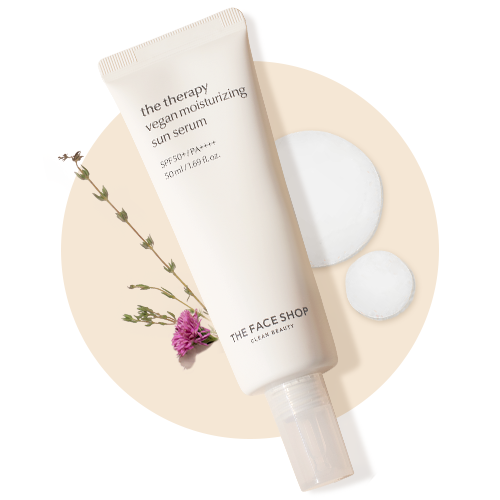
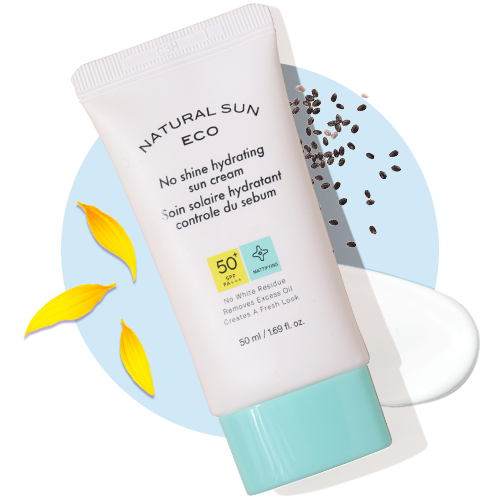
- Protect: Always finish with a broad-spectrum sunscreen, even indoors.
Pro tip: Shop value bundles like the 2 AT 1499 and 3 AT 1999 collection to save on your routine.
Counterintuitive Truths: Why Scrubbing and DIY Remedies Can Backfire
Many Indians turn to harsh scrubs or home remedies like lemon juice to fade dark spots. However, these can worsen pigmentation and sensitivity, especially when pollution has already weakened your skin barrier.
- Physical exfoliants may cause micro-tears, letting in more pollutants.
- Acidic DIY treatments can trigger inflammation and rebound pigmentation.
- Stick to gentle chemical exfoliants (like low-dose BHA) and proven brightening serums.
Always patch test new products and introduce actives slowly, especially if your skin is already stressed.
Smart Shopping: How to Choose Anti-Pollution Skincare in India
With so many options, how do you pick the right products for pollution-prone skin?
- Look for products labeled 'anti-pollution' or 'brightening' with clinical evidence.
- Check for ingredients like rice water, niacinamide, and antioxidants.
- Choose lightweight, non-greasy formulas for humid Indian weather.
- Explore curated collections like Uneven Skin Tone for targeted solutions.
Remember: Investing in quality skincare can prevent costly treatments later. Many effective Korean products are now available in India for under INR 2000.
Limitations and Realistic Expectations: What Glass Skin Can - and Can't - Do in Indian Cities
Even with the best routine, pollution exposure is a daily reality in India. While you can dramatically improve brightness and fade dark spots, achieving 'glass skin' perfection may require ongoing effort and patience.
- Results depend on consistency, product quality, and your unique skin type.
- Severe pigmentation may need dermatologist intervention.
- Protective habits - like using sunscreen and avoiding peak pollution hours - are just as important as products.
Trust the process: Most users see visible improvement in 4–8 weeks with a dedicated routine.
Quick Checklist: Your Pollution-Proof Glass Skin Routine
- Double cleanse every evening
- Use a brightening serum daily
- Moisturize with a lightweight cream
- Apply sunscreen every morning
- Shop value bundles for savings
- Be patient - consistency is key
FAQ
How does pollution cause dark spots on Indian skin?
Pollution particles trigger oxidative stress and inflammation, increasing melanin production and leading to dark spots, especially in Indian skin tones prone to hyperpigmentation.
Can I achieve glass skin if I live in a highly polluted city like Delhi?
Yes, with a dedicated anti-pollution skincare routine and consistent sun protection, you can significantly improve skin clarity and radiance, though perfection may take time.
Are Korean skincare products suitable for Indian weather?
Many Korean products are lightweight, hydrating, and non-greasy, making them ideal for India's humid climate. Look for gel-based creams and serums with proven brightening ingredients.
Is double cleansing necessary for everyone?
If you live in a polluted city or wear sunscreen/makeup, double cleansing helps remove deep-seated impurities and prevents dullness. Adjust frequency based on your skin's needs.
What is the best way to treat uneven skin tone caused by pollution?
Use a routine with a gentle cleanser, brightening serum (like niacinamide or vitamin C), and daily sunscreen. Explore the Uneven Skin Tone collection for targeted solutions.