
Quick Summary
Struggling to achieve glass skin despite K-Beauty routines? Indian dermatologists explain why stubborn texture persists and share science-backed solutions for Indian skin types.
Have you followed every K-Beauty step but still see bumpy, uneven skin? You're not alone. Many Indian skincare enthusiasts feel frustrated when their skin doesn't look as smooth and luminous as the 'glass skin' trend promises. Let's break down why this happens and how Indian dermatologists recommend you can finally achieve that coveted glow - without unrealistic expectations or wasted money.
Why 'Glass Skin' Is Harder for Indian Skin Types
Glass skin is about healthy, hydrated, and smooth skin - not about lightening your complexion. But Indian skin faces unique hurdles:
- Thicker Epidermis: Indian skin tends to have a thicker outer layer, which can make texture and clogged pores more visible.
- Humidity & Pollution: Indian cities often have high humidity and pollution, leading to excess oil, dullness, and buildup.
- Hyperpigmentation: Melanin-rich skin is more prone to dark spots and uneven tone, making smoothness less obvious.
According to Dr. Richa Sharma, a Delhi-based dermatologist, "Glass skin is achievable for Indian skin, but it requires routine tweaks and patience. The focus should be on barrier repair, gentle exfoliation, and realistic goals."
Common Mistakes: Why K-Beauty Alone Isn't Enough
Many Indian consumers buy popular K-Beauty products expecting instant results. But common mistakes include:
- Skipping Patch Tests: New actives can irritate sensitive Indian skin, causing more texture.
- Over-Exfoliation: Using too many acids or scrubs can damage the skin barrier, leading to roughness and breakouts.
- Ignoring Local Climate: Heavy creams may clog pores in humid regions, while light gels may not suffice in dry areas.
Always adapt routines to your skin's needs and India's climate. For example, in Mumbai's humidity, opt for gel-based hydrators, while Delhi winters may need richer creams.
Understanding Stubborn Texture: Science & Solutions
Texture can result from:
- Dead Skin Buildup: Lack of gentle exfoliation leaves skin looking dull and bumpy.
- Dehydration: Even oily skin can be dehydrated, making pores and lines more visible.
- Clogged Pores: Pollution and sweat increase blackheads and whiteheads.
- Barrier Damage: Overuse of actives or harsh cleansers weakens the skin, causing roughness.
Dermatologists recommend a routine that balances exfoliation, hydration, and barrier repair for visible improvement.
The Essential Steps: A Glass Skin Routine for Indian Skin
Here's a dermatologist-approved, India-adapted routine:
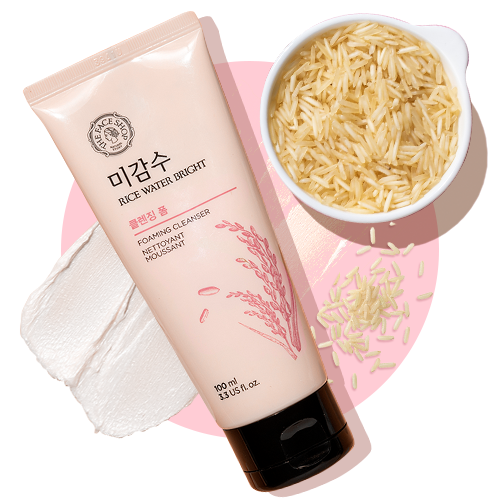
- Gentle Cleanser: Use a mild, non-stripping cleanser like Rice Water Bright Cleansing Foam to remove dirt and pollution without drying out your skin.
- Hydrating Toner: Layer a hydrating toner from our Hydrating Toner collection to prep skin for better absorption.
- Targeted Serum: Look for serums with niacinamide or hyaluronic acid to address uneven texture and dehydration.
- Moisturizer: Choose a lightweight gel in humid regions or a richer cream in dry climates. The Ceramide & Rice Moisturizing Cream strengthens the skin barrier and locks in moisture.
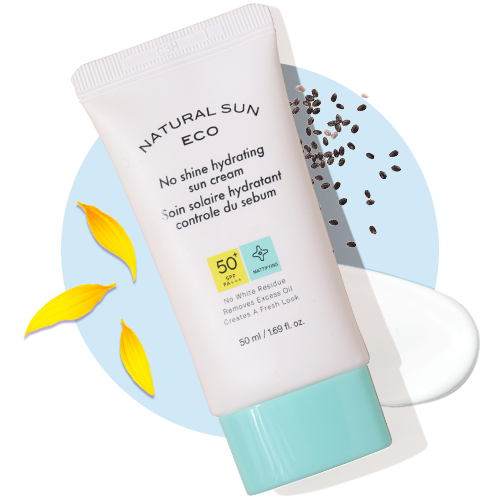
- Sunscreen: Never skip broad-spectrum sunscreen, even indoors, to prevent pigmentation and further texture.
Mini-checklist for Indian skin:
- Patch test new products
- Adjust moisturizer texture by season
- Use sunscreen daily
- Limit exfoliation to 1-2 times a week
Ingredient Spotlight: What Actually Works for Indian Skin?
Not all trending ingredients suit Indian skin. Dermatologists recommend:
- Rice Extract: Brightens and gently exfoliates. Found in Ceramide & Rice Moisturizing Skincare kit.
- Ceramides: Repair and strengthen the skin barrier, crucial for smoothness.
- Niacinamide: Reduces pigmentation and smooths texture.
- Hyaluronic Acid: Deeply hydrates without heaviness, suitable for all Indian climates.
Counterintuitive fact: Oily skin can benefit from hydrating ingredients like hyaluronic acid, as dehydration triggers more oil production.
Budgeting for Glass Skin: INR-Smart Choices
Achieving glass skin doesn't require a luxury budget. Many effective K-Beauty products are available in India for under ₹1000. For example, the Rice Water Bright Cleansing Foam offers gentle cleansing at an affordable price point. Investing in a multi-use kit like the Ceramide & Rice Moisturizing Skincare kit can save money while covering multiple routine steps.
Pro tip: Watch for seasonal offers in our POS B2G1 collection to maximize value on your glass skin essentials.
Routine Tweaks for India's Diverse Climates
India's climate varies dramatically, so your routine should too:
- Humid South: Opt for gel-based moisturizers and lightweight serums to avoid clogged pores.
- Dry North: Layer hydrating toners and richer creams, especially in winter.
- Monsoon Season: Focus on non-comedogenic products and double cleansing to combat sweat and pollution.
Mini-checklist:
- Switch moisturizer texture by season
- Increase hydration in dry months
- Double cleanse after outdoor exposure
Myth-Busting: Realistic Expectations for Glass Skin
It's important to set achievable goals:
- Glass skin is not about fairness: It's about health, hydration, and smoothness.
- Results take time: Most see visible improvement in 6-8 weeks with consistent care.
- Texture is normal: No one has perfectly smooth skin, especially in India's climate.
Dermatologists emphasize that visible pores and minor texture are normal. Focus on progress, not perfection.
When to See a Dermatologist: Limits of At-Home Care
If you experience persistent roughness, painful bumps, or pigmentation that doesn't improve, consult a dermatologist. Conditions like fungal acne, eczema, or hormonal imbalances may need prescription treatment. At-home routines are effective for mild to moderate texture, but professional advice ensures safety and faster results.
FAQs: Your Top Glass Skin Texture Questions Answered
- Can Indian skin really achieve glass skin?
- Yes, with the right routine and patience. Focus on hydration, gentle exfoliation, and barrier repair rather than lightening.
- How long does it take to see results?
- Most people notice smoother, more radiant skin in 6-8 weeks with consistent care.
- Are K-Beauty products safe for sensitive Indian skin?
- Most are gentle, but always patch test and avoid over-exfoliating. Choose fragrance-free options if you have sensitive skin.
- Do I need to use all 10 steps of a Korean routine?
- No. A simplified 4-5 step routine is effective for most Indian skin types and climates.
- What if my skin gets worse after starting a new routine?
- Stop new products and consult a dermatologist. Some irritation is normal, but persistent redness or bumps need professional advice.
Key Takeaways: Your Path to Smoother, Healthier Skin
- Indian skin needs customized routines for glass skin results.
- Balance exfoliation, hydration, and barrier repair for best results.
- Choose ingredients like rice extract, ceramides, and hyaluronic acid.
- Adapt your routine to India's climate and your skin's needs.
- Be patient - visible improvement takes time and consistency.
FAQ
Can Indian skin really achieve glass skin?
Yes, with the right routine and patience. Focus on hydration, gentle exfoliation, and barrier repair rather than lightening.
How long does it take to see results?
Most people notice smoother, more radiant skin in 6-8 weeks with consistent care.
Are K-Beauty products safe for sensitive Indian skin?
Most are gentle, but always patch test and avoid over-exfoliating. Choose fragrance-free options if you have sensitive skin.
Do I need to use all 10 steps of a Korean routine?
No. A simplified 4-5 step routine is effective for most Indian skin types and climates.
What if my skin gets worse after starting a new routine?
Stop new products and consult a dermatologist. Some irritation is normal, but persistent redness or bumps need professional advice.