
Quick Summary
Unlock the secrets of a K-Beauty anti-aging routine tailored for Indian skin. Learn how to layer actives for glass skin firmness, reduce fine lines, and avoid irritation.
Dreaming of that luminous, plump 'glass skin' look but worried about irritation from strong actives? For Indian skin, which often faces humidity, pollution, and a tendency toward sensitivity, the right K-Beauty anti-aging routine can deliver firmer, smoother skin without the sting. This guide breaks down how to gently layer proven actives - like retinoids, peptides, and vitamin C - so you get visible results and a healthy glow, not redness or flaking.
Why Indian Skin Needs a Tailored K-Beauty Approach
Indian skin (typically Fitzpatrick types III-V) is more prone to hyperpigmentation, uneven tone, and sensitivity, especially in our hot, humid, and polluted environments. Many global routines overlook these realities. K-Beauty, with its focus on gentle layering and barrier repair, is uniquely suited for Indian skin - but only if you adapt it thoughtfully.
- Climate matters: High humidity can make heavy creams feel greasy, while air pollution increases oxidative stress and pigmentation risk.
- Actives can irritate: Retinoids and acids, if overused, may trigger redness or dark spots, especially on deeper skin tones.
- Value tip: Many K-Beauty serums and creams offer high-quality actives at INR 800–2000, making them accessible compared to imported luxury brands.
Adapting your routine to these factors is key for safe, visible results.
Step 1: Start with a Gentle, pH-Balanced Cleanser
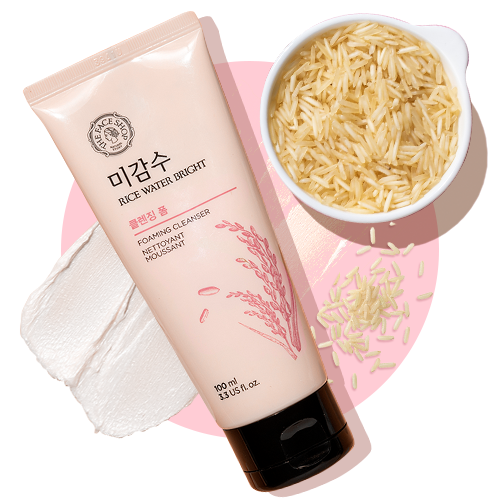
Every effective anti-aging routine begins with a clean canvas. For Indian skin, choose a low-pH, sulfate-free cleanser that removes sweat, sunscreen, and pollution without stripping your barrier. Over-cleansing can worsen dryness and sensitivity, especially if you use actives later.
- Look for hydrating ingredients like glycerin or centella asiatica.
- Double cleansing (oil-based followed by water-based) is ideal if you wear sunscreen or makeup daily.
Tip: Avoid harsh scrubs or foaming cleansers, which can increase irritation risk when layering actives.
Step 2: Hydrating Toner - The Foundation for Glass Skin
Hydration is the secret to the 'glass skin' effect. A lightweight, alcohol-free toner preps your skin to absorb actives and minimizes irritation. In humid Indian cities, watery toners with hyaluronic acid or green tea work well without feeling sticky.
- Pat in 2–3 layers for extra plumpness.
- Look for toners with soothing ingredients like panthenol or licorice root.
Pro tip: Layering hydration helps buffer strong actives, reducing the risk of redness or flaking.
Step 3: Vitamin C Serum - Brighten and Defend
Vitamin C is a must-have for Indian skin, thanks to its ability to fade pigmentation, boost collagen, and protect against pollution. Choose a stable, gentle formula (like sodium ascorbyl phosphate or ascorbyl glucoside) to minimize irritation.
- Apply in the morning after toner, before moisturizer and sunscreen.
- Start with 5–10% concentration if you’re new to actives.
- Pair with sunscreen for best results - vitamin C boosts UV protection.
Did you know? Studies show vitamin C can reduce melanin production, which is especially helpful for Indian skin prone to dark spots (source).
Step 4: Peptides - Firmness Without Irritation
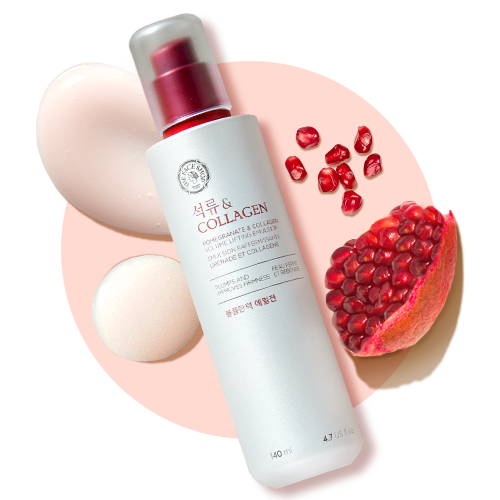
Peptides are gentle, science-backed anti-aging ingredients that signal your skin to produce more collagen and elastin. Unlike retinoids, they rarely cause redness or peeling, making them ideal for sensitive or first-time users.
- Use a peptide serum after vitamin C in the morning, or after toner at night.
- Look for copper peptides or signal peptides for best results.
- Peptides pair well with most actives, including niacinamide and hyaluronic acid.
Mini-checklist: If you notice any tingling or redness, reduce frequency to every other day.
Step 5: Retinoids - The Gold Standard for Fine Lines (But Go Slow!)
Retinoids (like retinol or retinal) are proven to reduce fine lines and improve firmness, but they can irritate Indian skin if introduced too quickly. Start with a low concentration (0.1–0.3%) and use only at night, 2–3 times a week. Always buffer with moisturizer.
- Never layer retinoids with strong acids or vitamin C in the same routine.
- Apply a pea-sized amount to dry skin, then follow with a nourishing cream.
- Expect mild flaking or purging in the first 2–4 weeks - this is normal.
Value insight: Many Korean retinol serums are available in India for under INR 1500, offering science-backed results at a fraction of Western prices.
Step 6: Moisturizer - Seal in Actives, Strengthen Your Barrier
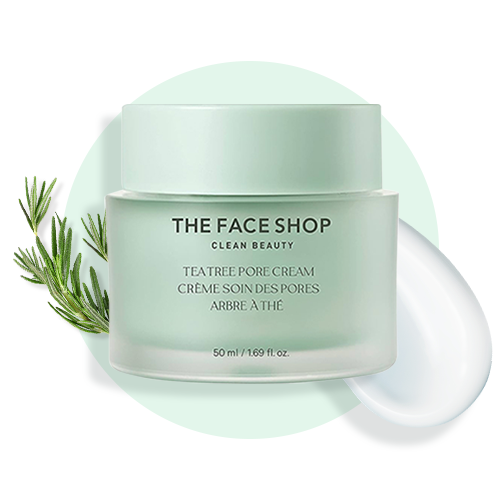
Moisturizers are essential for all skin types, especially when using actives. For Indian skin, opt for lightweight, non-comedogenic formulas with ceramides, squalane, or centella asiatica. These ingredients calm irritation and lock in hydration without clogging pores.
- In summer, gel creams work well for oily or combination skin.
- In winter or air-conditioned environments, switch to richer creams.
Tip: If you experience stinging after actives, try the 'moisture sandwich' method - apply a thin layer of moisturizer before and after your active serum.
Step 7: Sunscreen - Your Non-Negotiable Shield
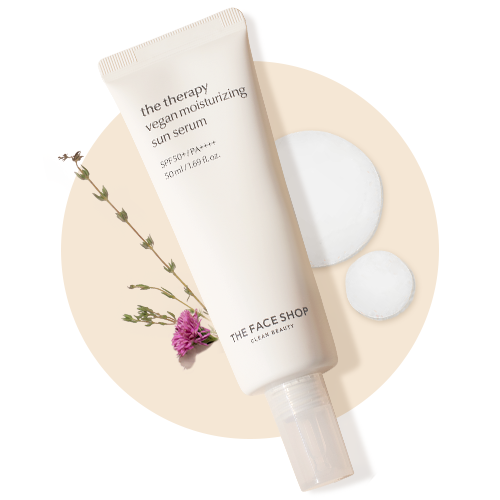
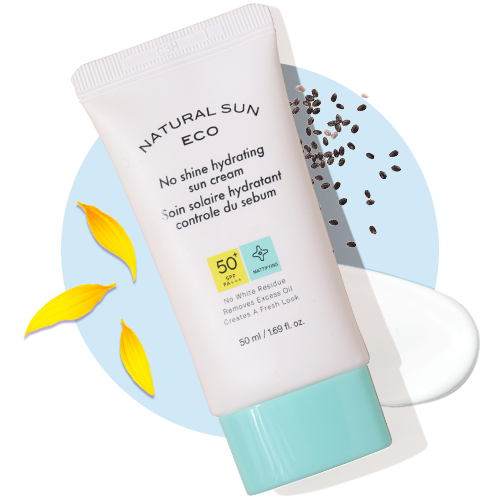
No anti-aging routine is complete without sunscreen. UV rays accelerate aging and worsen pigmentation, especially in Indian climates with high sun exposure. Choose a broad-spectrum SPF 50+ that feels comfortable for daily use.
- Look for lightweight, non-greasy Korean sunscreens that don’t leave a white cast on deeper skin tones.
- Reapply every 2–3 hours if outdoors.
- Pairing sunscreen with vitamin C offers double protection against environmental stressors.
Fact: Consistent sunscreen use can prevent up to 80% of visible aging signs, according to dermatology studies.
How to Layer Actives Safely: A Sample Routine for Indian Skin
Confused about what goes where? Here’s a sample layering order for morning and night, tailored for Indian skin:
- Morning: Cleanser → Hydrating Toner → Vitamin C Serum → Peptide Serum → Moisturizer → Sunscreen
- Night (2–3x/week): Cleanser → Hydrating Toner → Retinoid → Moisturizer
- Night (other days): Cleanser → Hydrating Toner → Peptide Serum → Moisturizer
Mini-checklist for irritation prevention:
- Introduce one new active at a time.
- Patch test before full application.
- Listen to your skin - reduce frequency if you notice redness or flaking.
For extra hydration or a skin reset, try a sheet mask from Masksheets once or twice a week.
India-Specific Tips: Adapting Your Routine for Climate and Budget
India’s diverse climate means your routine may need tweaks:
- Humid cities (Mumbai, Chennai): Stick to gel-based products and lightweight sunscreens.
- Dry winters (Delhi, North India): Layer richer creams and add a hydrating serum.
- Budget tip: Shop value bundles or try trial sizes from Korean Serums to find what works before investing in full sizes.
Counterintuitive fact: Over-exfoliating in hot, humid weather can worsen oiliness and pigmentation. Less is more when it comes to acids and scrubs.
Common Mistakes and How to Avoid Them
- Mixing too many actives: This increases irritation risk. Stick to one new active at a time.
- Skipping sunscreen: This undoes all your anti-aging efforts.
- Ignoring your skin barrier: If you notice stinging, redness, or flaking, pause actives and focus on barrier repair with ceramides and centella.
- Using high-strength actives from the start: Start low and slow, especially with retinoids and acids.
Remember: Consistency and patience are key. Most actives take 8–12 weeks for visible results.
Choosing the Right K-Beauty Products in India
With so many options, how do you choose? Look for:
- Transparent ingredient lists and concentrations.
- Products suited for Indian climates (non-comedogenic, lightweight).
- INR value - many K-Beauty brands offer high efficacy at mid-range prices.
- Availability from trusted retailers like The Face Shop.
Check out curated collections like Korean Serums for actives tailored to Indian skin needs.
FAQ
Can I use retinol and vitamin C together?
It’s best to use vitamin C in the morning and retinol at night to minimize irritation and maximize benefits.
How long before I see results from a K-Beauty anti-aging routine?
Most actives take 8–12 weeks for visible improvements in firmness and fine lines. Consistency is key.
Are K-Beauty products safe for sensitive Indian skin?
Yes, if you introduce actives gradually and choose gentle, fragrance-free formulas. Always patch test first.
What’s the best way to prevent irritation from actives?
Layer hydrating toners and moisturizers, start with low concentrations, and avoid mixing too many actives at once.
Do I need to change my routine for different seasons in India?
Yes. Use lighter textures in summer and richer creams in winter. Adjust actives based on your skin’s needs.