
Quick Summary
Unlock the secrets to glass skin for Indian tones with a practical guide to K-Beauty ingredients. Learn what truly works for pigmentation, uneven tone, and humidity.
Glass skin is more than a fleeting trend - it's a skincare goal rooted in healthy, luminous, and even-toned skin. But for Indian skin tones, achieving this look requires more than just following global routines. This guide cuts through the noise to help you pick K-Beauty ingredients that truly work for Indian concerns like pigmentation, uneven tone, and humidity-induced breakouts.
What Does 'Glass Skin' Mean for Indian Skin?
Glass skin is all about a smooth, poreless, and radiant complexion. For Indian skin, this means tackling common issues such as hyperpigmentation, sun spots, and oiliness - often intensified by our climate. The right K-Beauty ingredients can help, but only if chosen wisely.
- Key challenge: Indian skin is more prone to pigmentation and uneven tone due to higher melanin.
- Climate factor: Humidity and pollution can trigger excess oil and breakouts.
- Routine tip: Lightweight, non-comedogenic products are essential for daily use.
Rice Extract: Tradition Meets Innovation for Pigmentation
Rice has been a staple in Indian beauty rituals for centuries, and K-Beauty has elevated its benefits. Rice extract is rich in antioxidants and amino acids, helping to brighten skin and fade dark spots. Studies show rice-derived ingredients can reduce melanin production, making them ideal for Indian skin battling pigmentation (source).
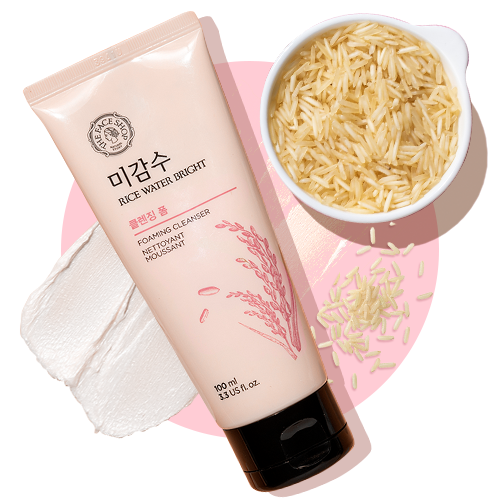
- Practical pick: Try Rice Water Bright Cleansing Foam 150 ml for gentle daily cleansing that supports even tone.
- Value tip: At under INR 1000, rice-based cleansers offer visible results without breaking the bank.
- Counterpoint: Rice extract is gentle but may not fade deep pigmentation as quickly as vitamin C or niacinamide.
Vitamin C: The Gold Standard for Brightening Indian Skin
Vitamin C is a dermatologist-recommended powerhouse for tackling dark spots and dullness. For Indian skin, stable vitamin C serums can help fade sun-induced pigmentation and boost radiance. However, not all vitamin C products are created equal - look for stabilized formulas to avoid irritation, especially in humid climates.
- Usage tip: Start with a lower concentration (5-10%) and apply in the morning under sunscreen.
- Limitation: Sensitive skin may experience tingling; always patch test first.
- India insight: Consistent use for 8-12 weeks is typically needed to see visible improvement.
Niacinamide: Multi-Tasker for Oil Control and Even Tone
Niacinamide (vitamin B3) is gaining popularity in India for good reason. It helps regulate oil production, reduce redness, and lighten pigmentation. Studies confirm its efficacy for Indian skin types, especially those prone to acne and dark spots.
- Routine fit: Works well in both serums and moisturizers, making it easy to layer.
- Budget factor: Niacinamide products are widely available in India, often under INR 800.
- Trade-off: Results are gradual - expect subtle changes over 6-8 weeks.
Snail Mucin: Hydration Without Heaviness
Snail mucin may sound unusual, but it's a K-Beauty staple for deep hydration and skin repair. For Indian skin, its lightweight texture is a boon in humid weather, offering moisture without clogging pores. Anecdotal evidence and user reviews in India highlight its ability to soothe post-acne marks and boost glow.
- Experience cue: Many Indian users report plumper, calmer skin after 2-3 weeks of use.
- Limitation: Not suitable for strict vegans; always check for allergies.
- Pro tip: Layer under a light moisturizer for best results.
AHAs and BHAs: Gentle Exfoliation for Stubborn Pigmentation
Alpha hydroxy acids (AHAs) and beta hydroxy acids (BHAs) are chemical exfoliants that help fade pigmentation and clear pores. For Indian skin, glycolic acid (AHA) and salicylic acid (BHA) are especially effective against sun spots and acne scars. However, overuse can cause irritation, so moderation is key.
- Routine advice: Use 1-2 times a week at night, followed by sunscreen the next day.
- India-specific tip: Start with lower concentrations (2-5%) to minimize sensitivity in hot, humid weather.
- Trade-off: Over-exfoliation can worsen pigmentation - listen to your skin.
Fermented Ingredients: The Secret to Resilient, Glowing Skin
Fermented extracts like rice, yeast, and soy are central to K-Beauty. They boost skin barrier strength and enhance absorption of other actives. For Indian skin, fermented ingredients can help counteract pollution damage and restore radiance, especially in urban environments.
- Practical example: Fermented rice is found in Ceramide & Rice Moisturizing Emulsion 70ml, ideal for lightweight hydration.
- Value insight: Fermented products often last longer, offering better INR-per-use value.
- Limitation: Those with sensitive skin should patch test, as fermentation can increase potency.
Building Your Routine: Step-by-Step for Indian Skin
Combining the right K-Beauty ingredients is key to achieving glass skin. Here’s a simple, India-adapted routine:
- Cleanse: Use a gentle rice-based cleanser like Rice Water Bright Cleansing Foam 150 ml.
- Tone: Opt for alcohol-free toners with fermented extracts.
- Treat: Apply vitamin C or niacinamide serums for pigmentation and even tone.
- Moisturize: Choose lightweight emulsions such as Ceramide & Rice Moisturizing Emulsion 70ml.
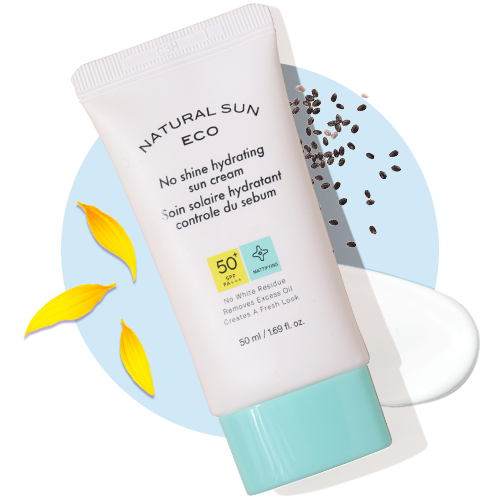
- Protect: Always finish with a broad-spectrum sunscreen, even indoors.
For extra hydration, try sheet masks 2-3 times a week. Look for options targeting uneven skin tone for best results.
Comparing Ingredient Approaches: What Works Best for Indian Skin?
Not all ingredients deliver the same results for everyone. Here’s a quick comparison to help you choose:
| Ingredient | Best For | Limitation |
|---|---|---|
| Rice Extract | Gentle brightening, mild pigmentation | Slower results for deep spots |
| Vitamin C | Stubborn pigmentation, dullness | May irritate sensitive skin |
| Niacinamide | Oil control, gradual tone improvement | Requires patience |
| AHAs/BHAs | Exfoliation, acne scars | Risk of over-exfoliation |
| Snail Mucin | Hydration, post-acne marks | Not vegan-friendly |
Mix and match based on your primary concern, skin type, and budget. Always introduce one new ingredient at a time and monitor your skin’s response.
Smart Shopping: How to Choose K-Beauty Products in India
With the Indian market flooded with K-Beauty options, here’s how to shop smart:
- Check ingredient lists for actives suited to your concern (e.g., rice, vitamin C, niacinamide).
- Look for products with transparent INR pricing and batch details.
- Explore value bundles like 2 AT 1499 and 3 AT 1999 for cost savings.
- Read reviews from Indian users to gauge real-world performance in our climate.
- Always patch test before full application, especially with actives.
Realistic Expectations: How Long Until You See Results?
Patience is key with any skincare routine. For most K-Beauty ingredients:
- Brightening (rice, vitamin C): 6-12 weeks
- Oil control (niacinamide): 4-8 weeks
- Hydration (snail mucin): 2-3 weeks
- Exfoliation (AHAs/BHAs): 4-6 weeks
Consistency matters more than speed. If you experience irritation, reduce frequency or consult a dermatologist familiar with Indian skin.
FAQ
Can I use K-Beauty products if I have sensitive Indian skin?
Yes, but start with gentle ingredients like rice extract and niacinamide. Always patch test first.
Are K-Beauty products suitable for oily, acne-prone Indian skin?
Many are! Look for lightweight, non-comedogenic formulas and avoid heavy creams in humid weather.
How do I layer K-Beauty ingredients for best results?
Apply from thinnest to thickest: cleanser, toner, serum, moisturizer, sunscreen.
Is it safe to use vitamin C and AHAs together?
It's best to use them at different times (vitamin C in the morning, AHAs at night) to avoid irritation.
Where can I find authentic K-Beauty products in India?
Shop from trusted retailers like [The Face Shop](/) for genuine products and transparent INR pricing.