
Quick Summary
Discover the best K-Beauty mask actives for acne-prone Indian skin. Learn which ingredients clear breakouts without dryness, and how to choose the right mask for your needs.
Clay masks have long been the go-to for oily, acne-prone skin in India. But if you’ve ever felt tightness, flakiness, or rebound oiliness after using them, you’re not alone. The new wave of K-Beauty masks offers targeted actives that clear breakouts and soothe irritation without stripping your skin. This guide unpacks the science, the best ingredients, and how to choose the right mask for your unique Indian skin concerns.
Why Clay Masks Aren’t Always the Answer for Indian Acne
Clay masks absorb excess oil and can temporarily shrink pores, but they often over-dry Indian skin, especially in humid or air-conditioned environments. Overuse can trigger more oil production, leading to a cycle of breakouts and dryness. Dermatologists in India increasingly recommend balancing oil control with barrier support, especially for Fitzpatrick skin types IV-V common in India. Instead of relying solely on clay, consider masks with proven actives that target acne at its root.
- Fact: A 2022 survey by the Indian Association of Dermatologists found that 41% of respondents with acne-prone skin reported increased dryness after regular clay mask use.
- Look for masks that combine gentle exfoliation with hydration and calming botanicals.
The Science Behind K-Beauty Mask Actives for Acne
K-Beauty masks stand out for their innovative use of actives like salicylic acid (BHA), tea tree, and centella asiatica. These ingredients are clinically shown to reduce breakouts and inflammation without the harshness of traditional treatments. Korean formulations often pair these actives with hydrating agents like hyaluronic acid or panthenol, making them ideal for Indian skin that needs both oil control and moisture.
- Salicylic acid (BHA): Penetrates pores to dissolve oil and dead skin cells, reducing blackheads and whiteheads.
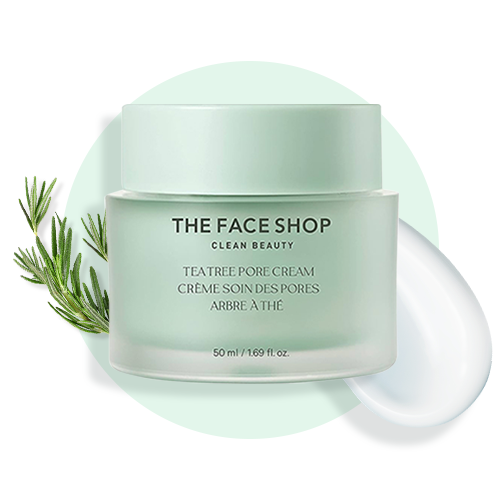
- Tea tree extract: Natural antibacterial and anti-inflammatory properties help calm active breakouts.
- Centella asiatica (Cica): Soothes redness and supports skin barrier repair, crucial for post-acne healing.
Salicylic Acid Masks: Gentle Exfoliation for Indian Skin
Salicylic acid is a gold-standard ingredient for acne, but not all formulations are created equal. K-Beauty masks often use betaine salicylate, a milder BHA that’s less likely to cause irritation. This makes them suitable for Indian skin, which can be sensitive to harsh exfoliants, especially in hot or polluted cities like Delhi or Mumbai.
- Choose masks with 0.5%–2% salicylic acid or betaine salicylate for effective, non-drying exfoliation.
- Pair with a hydrating serum from our Korean Serums collection to maintain moisture balance.
- INR value tip: Many K-Beauty masks with salicylic acid are available for under ₹500 per sheet, offering visible results without a high price tag.
Tea Tree and Centella: Nature’s Soothing Duo for Breakouts
Tea tree oil and centella asiatica are staples in K-Beauty for their ability to calm inflamed skin and speed up healing. Unlike alcohol-based spot treatments, these botanicals soothe without stinging or drying. For Indian skin prone to post-inflammatory hyperpigmentation, centella can also help fade marks more quickly.
- Look for masks that combine tea tree and centella for a one-two punch against redness and swelling.
- Example: Sheet masks from The Face Shop featuring these actives are gentle enough for daily use during active breakouts.
- Counterintuitive fact: Studies show centella asiatica can increase skin hydration by up to 25% after a single use, making it ideal for Indian summers.
Niacinamide: The Multi-Tasker for Oil Control and Brightening
Niacinamide is a powerhouse for Indian skin, tackling both excess oil and uneven tone. K-Beauty masks with niacinamide help regulate sebum, reduce the look of pores, and lighten post-acne marks. This ingredient is especially useful for those with combination skin - a common concern in India’s variable climate.
- Choose masks with 2%–5% niacinamide for visible results without irritation.
- Pair with a sunscreen daily to prevent new pigmentation.
- INR value tip: Niacinamide masks deliver multi-action benefits at a fraction of the cost of in-clinic treatments (often under ₹200 per use).
Hydrating Masks: Why Moisture Matters for Acne-Prone Indian Skin
It’s a myth that oily or acne-prone skin doesn’t need hydration. In fact, dehydration can worsen breakouts by triggering more oil production. K-Beauty hydrating masks use ingredients like hyaluronic acid, panthenol, and aloe vera to replenish moisture without clogging pores. For Indian skin exposed to sun, pollution, and air conditioning, this step is essential.
- Look for sheet masks labeled “hydrating” or “soothing” with lightweight, non-comedogenic formulas.
- Apply after cleansing and before heavier creams for best results.
- Mini-checklist: If your skin feels tight after washing, add a hydrating mask 2–3 times a week.
How to Choose the Right K-Beauty Mask for Your Acne Type
Not all acne is the same. Here’s how to match your mask to your breakout type:
- Whiteheads/Blackheads: Salicylic acid or BHA masks clear pores gently.
- Red, inflamed pimples: Tea tree and centella masks calm and reduce swelling.
- Post-acne marks: Niacinamide and centella help fade pigmentation.
- Combination skin: Alternate between exfoliating and hydrating masks for balance.
Pro tip: Patch test new masks on your jawline before full-face use, especially if you have sensitive skin.
Routine Guide: Building an Effective K-Beauty Mask Routine in India
Consistency is key for results. Here’s a sample weekly routine tailored for Indian acne-prone skin:
- Monday: Salicylic acid mask for deep pore cleanse.
- Wednesday: Tea tree and centella mask to calm active breakouts.
- Friday: Hydrating mask to replenish moisture.
Always follow up with a lightweight moisturizer and sunscreen. For best value, explore our Masksheets collection for bundle deals and seasonal offers.
What to Avoid: Common Mistakes with K-Beauty Masks in India
- Using exfoliating masks daily - this can irritate and weaken your skin barrier.
- Skipping sunscreen after using actives - UV exposure can worsen pigmentation and sensitivity.
- Layering too many actives at once - stick to one or two targeted masks per week.
- Not adjusting for climate - use more hydrating masks during dry winters or after sun exposure.
Remember, results take time. Give each new mask at least 2–3 weeks before judging its effectiveness.
Budget vs. Premium: Finding the Best Value in K-Beauty Masks (INR Guide)
K-Beauty masks range from affordable single-use sheets (₹100–₹250) to premium multi-use jars (₹800–₹2000+). For most Indian consumers, sheet masks offer the best balance of efficacy and value. Look for bundle offers in our Masksheets collection or explore deals like 2 at 799 for cost savings. Premium masks may offer higher concentrations of actives or unique textures, but many budget options deliver excellent results with consistent use.
- Tip: Track your skin’s response and invest more in actives that show visible improvement.
- Check for expiry dates and storage instructions, especially during hot Indian summers.
Summary: Choosing Smarter, Not Harsher, for Clear Indian Skin
Moving beyond clay, K-Beauty masks with targeted actives like salicylic acid, tea tree, centella, and niacinamide offer Indian consumers a gentler, more effective path to clear skin. Focus on ingredients that balance oil control with hydration, and adjust your routine to your skin’s needs and India’s climate. With the right choices, you can manage breakouts without dryness or irritation - at a price that fits your budget.
FAQ
Are K-Beauty masks safe for sensitive Indian skin?
Most K-Beauty masks are formulated to be gentle, but always patch test first, especially if you have sensitive or reactive skin. Look for masks with soothing ingredients like centella asiatica and avoid those with high alcohol content.
How often should I use a K-Beauty mask for acne?
For most Indian skin types, 2–3 times a week is ideal. Avoid daily use of exfoliating masks to prevent irritation. Hydrating or soothing masks can be used more frequently as needed.
Will K-Beauty masks help with acne scars or pigmentation?
Masks with niacinamide, centella, or licorice extract can help fade post-acne marks over time. Consistent use, along with sunscreen, is key for best results.
Can I use K-Beauty masks if I have oily skin in humid Indian weather?
Yes. Choose lightweight, non-comedogenic masks with actives like salicylic acid or tea tree. Hydrating masks are also important to prevent dehydration and excess oil production.
What’s the best way to store sheet masks in India’s heat?
Store sheet masks in a cool, dry place away from direct sunlight. During hot summers, you can refrigerate them for a soothing, cooling effect.