

Quick Summary
Confused about layering salicylic acid and niacinamide for oily, acne-prone Indian skin? Dermatologists break down the science, safety, and best practices for visible results.
Layering active ingredients can be confusing, especially for Indian skin that faces unique challenges like humidity, pollution, and a high prevalence of oily and acne-prone concerns. One of the most common questions dermatologists hear is: Can I use salicylic acid and niacinamide together? This expert Q&A unpacks the science, safety, and best practices for combining these two powerhouse actives, so you can make informed choices for your routine.
1. Why Are Salicylic Acid and Niacinamide So Popular in India?
Indian consumers are increasingly seeking evidence-based solutions for oily skin, acne, and post-acne marks. Salicylic acid, a beta hydroxy acid (BHA), is prized for its ability to unclog pores and control excess oil. Niacinamide (Vitamin B3) is celebrated for its soothing, brightening, and barrier-strengthening properties. According to a 2023 Nykaa report, searches for these ingredients have doubled in the last two years, reflecting their rising popularity in Indian skincare routines.
- Salicylic acid: Penetrates deep into pores, making it ideal for humid Indian climates where sweat and pollution can worsen breakouts.
- Niacinamide: Reduces redness, regulates sebum, and helps fade dark spots - common concerns among Indian skin tones.
Both ingredients are now widely available in India at various price points, from INR 300 to INR 1500, making them accessible for most budgets.
2. Can You Safely Layer Salicylic Acid and Niacinamide?
Yes, most dermatologists agree that layering salicylic acid and niacinamide is generally safe and effective for Indian skin, provided you use the right concentrations and follow a few precautions. A 2022 study in the Journal of the American Academy of Dermatology found that combining these actives can reduce acne lesions and improve skin texture without significant irritation when used correctly.
- Start with low concentrations: 1-2% salicylic acid and 5% niacinamide are well-tolerated by most Indian skin types.
- Patch test before full-face application, especially if you have sensitive or reactive skin.
- Introduce one active at a time if you are new to actives.
Dermatologist Dr. Priya Sharma notes, “Layering these ingredients can be a game-changer for oily, acne-prone Indian skin, but overuse or high concentrations may cause dryness or irritation.”
3. What’s the Best Order for Layering These Actives?
The order of application matters for maximum efficacy and minimal irritation. Here’s a dermatologist-approved routine for Indian skin:
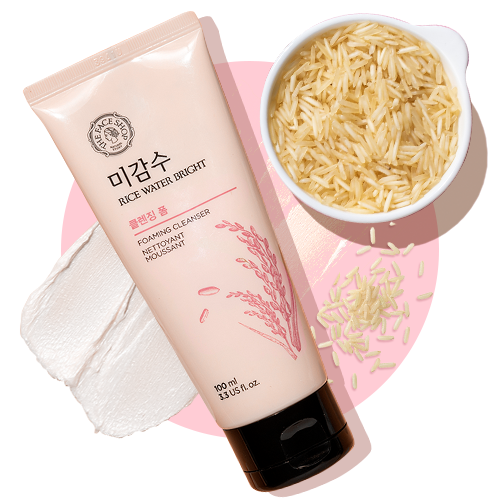
- Cleanser: Use a gentle, pH-balanced cleanser. For example, explore our Best Korean Cleansers collection for options suitable for oily skin.
- Salicylic Acid: Apply your salicylic acid serum or toner on clean, dry skin. Wait 2-3 minutes for absorption.
- Niacinamide: Follow with a niacinamide serum. This helps soothe and reinforce the skin barrier.
- Moisturizer: Lock in hydration with a lightweight, non-comedogenic moisturizer. The Ceramide & Rice Moisturizing Emulsion 70ml is a gentle option for Indian climates.
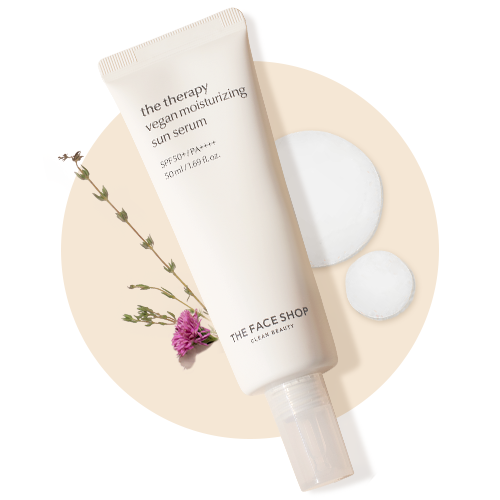
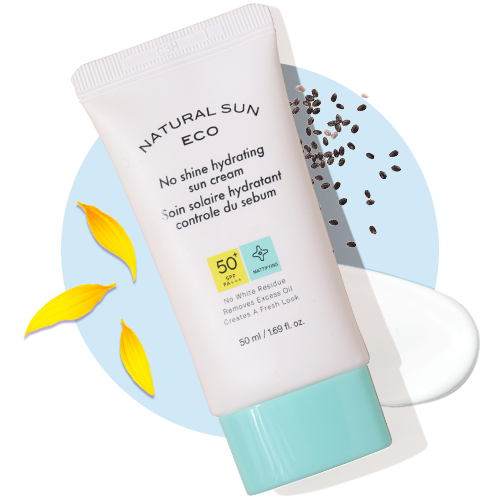
- Sunscreen (AM only): Always finish with broad-spectrum SPF 50, essential for preventing post-acne marks and pigmentation.
Tip: At night, you can skip sunscreen but never skip moisturizer, even if your skin feels oily.
4. How Often Should You Use This Combination?
Frequency depends on your skin’s tolerance and the climate. In hot, humid Indian cities, dermatologists recommend:
- Start with 2-3 times per week for salicylic acid, gradually increasing to alternate days if no irritation occurs.
- Niacinamide can be used daily, both morning and night.
- Always monitor for signs of dryness, peeling, or redness, especially during the summer or monsoon when skin can be more reactive.
Pro tip: If you experience any irritation, reduce frequency or use the actives on alternate days rather than together.
5. What Results Can You Expect - and When?
Indian users often see:
- Within 2 weeks: Reduced oiliness and fewer active breakouts.
- By 4-6 weeks: Smoother skin texture, faded post-acne marks, and more even skin tone.
However, results vary based on severity of acne, skin type, and consistency. For stubborn pigmentation, combining this routine with targeted products from our Post Acne Marks collection may accelerate fading.
Note: No routine can guarantee overnight results. Consistency and patience are key.
6. Common Mistakes to Avoid with Actives Combination
- Over-exfoliation: Using salicylic acid daily from the start can disrupt your skin barrier, especially in dry or air-conditioned environments.
- Skipping moisturizer: Even oily skin needs hydration. Lightweight emulsions help prevent rebound oiliness.
- Mixing too many actives: Avoid layering with other strong acids or retinoids unless advised by a dermatologist.
- Ignoring sunscreen: Sun exposure can worsen pigmentation and counteract your progress.
Mini-checklist for safe layering:
- Patch test new products
- Introduce one active at a time
- Moisturize and protect with SPF
- Listen to your skin’s feedback
7. How Does Indian Climate Affect Your Routine?
India’s diverse climate impacts how actives perform:
- Hot & Humid (e.g., Mumbai, Chennai): Increased sweat and oil production can make skin more prone to clogged pores. Use lightweight, gel-based formulas and avoid heavy creams.
- Dry & Air-Conditioned (e.g., Delhi winters, office environments): Skin may become more sensitive. Reduce frequency of salicylic acid and focus on barrier repair with ceramides and niacinamide.
- Pollution: Urban pollution can worsen inflammation. Niacinamide helps strengthen the skin barrier and reduce environmental damage.
Adapt your routine seasonally and observe how your skin responds to changes in weather and lifestyle.
8. Are There Any Limitations or Who Should Avoid This Combo?
While most Indian skin types benefit from this combination, some groups should exercise caution:
- Very sensitive or eczema-prone skin: May experience stinging or redness. Consult a dermatologist before starting.
- Active skin infections or open wounds: Avoid actives until the skin heals.
- Pregnant or breastfeeding women: Consult your doctor before using salicylic acid, as high concentrations are not recommended.
Transparent limitation: Even with the best routine, genetics and hormones play a role in acne and pigmentation. Professional guidance is advised for persistent or severe cases.
9. How to Choose the Right Products in India (With INR Value Tips)
With a flood of options in the Indian market, here’s how to select wisely:
- Check concentrations: Look for 1-2% salicylic acid and 5% niacinamide for beginners.
- Read ingredient lists: Avoid added fragrance or alcohol if you have sensitive skin.
- Value for money: Effective serums are available from INR 400 to INR 1200. Higher price does not always mean better results.
- Bundle deals: Explore our 2 AT 1499 and 3 AT 1999 offers for cost-effective routines.
- Shop trusted sources: Purchase from authorized retailers or directly from The Face Shop for authenticity and support.
10. Expert Q&A: Your Top Questions Answered
Q: Can I use salicylic acid and niacinamide in the same routine every day?
A: Most Indian skin types can tolerate daily niacinamide, but start with salicylic acid 2-3 times a week and increase as tolerated.
Q: Will this combination help with dark spots and pigmentation?
A: Yes, especially for post-acne marks. For stubborn pigmentation, combine with targeted treatments from our Uneven Skin Tone collection.
Q: Should I apply moisturizer after using these actives?
A: Absolutely. Moisturizer helps prevent irritation and supports barrier repair, even for oily skin.
Q: Can I use vitamin C with salicylic acid and niacinamide?
A: It’s best to use vitamin C in the morning and salicylic acid at night, or alternate days, to minimize irritation.
Q: What if my skin stings or peels after layering?
A: Pause actives, focus on gentle cleansing and hydration, and reintroduce slowly. If irritation persists, consult a dermatologist.
Summary: Key Takeaways for Indian Skin
- Layering salicylic acid and niacinamide is safe and effective for most Indian skin types when done correctly.
- Start slow, patch test, and adjust frequency based on your skin’s needs and climate.
- Moisturizer and sunscreen are non-negotiable for healthy, resilient skin.
- Choose products with proven concentrations and value for money.
- Consult a dermatologist for persistent or severe skin issues.
FAQ
Can I use salicylic acid and niacinamide in the same routine every day?
Most Indian skin types can tolerate daily niacinamide, but start with salicylic acid 2-3 times a week and increase as tolerated.
Will this combination help with dark spots and pigmentation?
Yes, especially for post-acne marks. For stubborn pigmentation, combine with targeted treatments from our Uneven Skin Tone collection.
Should I apply moisturizer after using these actives?
Absolutely. Moisturizer helps prevent irritation and supports barrier repair, even for oily skin.
Can I use vitamin C with salicylic acid and niacinamide?
It’s best to use vitamin C in the morning and salicylic acid at night, or alternate days, to minimize irritation.
What if my skin stings or peels after layering?
Pause actives, focus on gentle cleansing and hydration, and reintroduce slowly. If irritation persists, consult a dermatologist.