
Quick Summary
Discover the best cleanser and serum ingredients for monsoon skincare in India. Learn what to use and avoid for healthy, balanced skin during humid months.
Monsoon in India brings much-needed relief from the heat, but it also creates unique challenges for your skin. Increased humidity, sweat, and pollution can trigger oiliness, breakouts, and dullness. Choosing the right cleanser and serum ingredients is crucial for healthy, balanced skin during these months. This guide will help you decode ingredient labels, understand what works (and what doesn't), and make informed choices for your monsoon skincare routine.
Why Monsoon Skincare Needs a Different Approach
Indian monsoon weather means high humidity, frequent rain, and a spike in air pollution. These factors can:
- Increase sweat and sebum production, leading to clogged pores and acne.
- Cause skin to feel sticky or greasy, especially for oily and combination skin types.
- Make some skincare products feel heavy or suffocating.
According to a 2023 survey by the Indian Journal of Dermatology, over 60% of urban Indian respondents reported increased skin issues during monsoon, with oiliness and breakouts topping the list. This makes ingredient selection more important than ever.
Top Monsoon Cleanser Ingredients for Indian Humidity
Look for cleansers that are gentle yet effective at removing sweat, oil, and pollutants without stripping your skin. The best monsoon cleanser ingredients include:
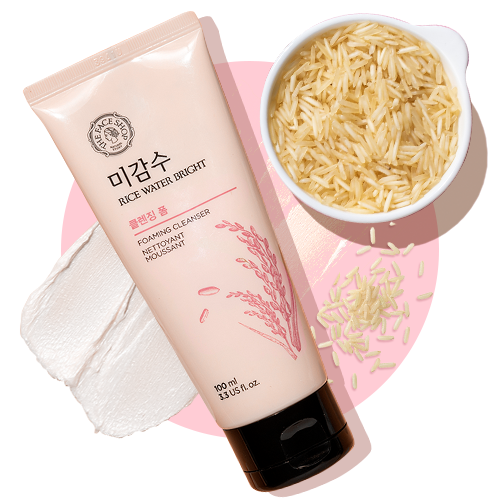
- Rice Water Extract: Naturally brightens and soothes, ideal for humid climates. Rice Water Bright Cleansing Foam is a popular choice for gentle daily cleansing.
- Glycerin: A humectant that draws moisture into the skin, preventing dehydration even after cleansing.
- Panthenol (Vitamin B5): Calms irritation and supports the skin barrier, reducing the risk of sensitivity from frequent washing.
- Aloe Vera: Soothes and hydrates, perfect for calming post-rain stickiness or redness.
Tip: Avoid harsh surfactants like sodium lauryl sulfate (SLS), which can strip natural oils and trigger rebound oiliness.
Best Monsoon Serum Ingredients for Oily & Combination Skin
Serums should be lightweight, non-sticky, and packed with actives that address monsoon-specific concerns. Key monsoon serum ingredients for Indian humidity are:
- Hyaluronic Acid: Hydrates deeply without heaviness. Multi-molecular hyaluronic acid works best for humid climates, as it absorbs quickly and doesn't clog pores.
- Niacinamide (Vitamin B3): Balances oil production, fades dark spots, and strengthens the skin barrier. Studies from NCBI show it reduces acne and pigmentation, both common in Indian monsoon.
- Sodium PCA: A natural moisturizing factor that helps retain hydration even in sticky weather.
- Ceramides: Repair and reinforce the skin barrier, especially if you use actives or exfoliate regularly.
Counterintuitive fact: Even oily skin needs hydration in monsoon. Dehydrated skin can overcompensate by producing more oil, worsening breakouts.
Ingredients to Avoid in Monsoon Skincare
Some ingredients can make skin issues worse during humid months. Avoid these in your cleansers and serums:
- Alcohol (denatured alcohol, ethanol): Dries out the skin, leading to irritation and rebound oiliness.
- Heavy oils (coconut oil, mineral oil): Can clog pores and feel greasy in humid weather.
- Occlusive silicones (dimethicone, cyclopentasiloxane): May trap sweat and bacteria, increasing the risk of breakouts.
- Fragrance and essential oils: Can trigger sensitivity, especially when skin is already stressed by humidity and pollution.
Always patch test new products, as monsoon can make skin more reactive.
How to Read Ingredient Labels Like a Pro
Indian consumers often overlook ingredient lists, but understanding them is key to smart buying. Here’s a quick checklist:
- Look for actives (like niacinamide, hyaluronic acid) in the top half of the list for maximum efficacy.
- Avoid products where alcohol or fragrance is listed among the first five ingredients.
- Check for “non-comedogenic” and “dermatologically tested” claims, especially for oily or acne-prone skin.
- Prefer transparent brands that disclose full ingredient lists and concentrations.
Pro tip: Products like Rice Water Bright Cleansing Foam clearly list their key ingredients, making it easier to choose confidently.
Affordable Ingredient-Focused Picks for Every Budget
Effective monsoon skincare doesn’t have to break the bank. Here’s how to get value for your INR:
- Look for multi-tasking ingredients (like niacinamide or panthenol) that address several concerns at once.
- Choose travel sizes or value packs during sales. For example, explore the 2 AT 1499 and 3 AT 1999 collection for bundled savings.
- Sheet masks with hyaluronic acid or aloe vera offer an instant boost for under INR 200 per use. See the Masksheets collection for options.
Remember: Ingredient quality and formulation matter more than price alone. Always compare concentrations and reviews before buying.
How to Choose: Step-by-Step Monsoon Ingredient Checklist
Not sure where to start? Use this practical checklist tailored for Indian humidity:
- Identify your skin type (oily, combination, dry, sensitive).
- Prioritize lightweight, water-based formulas with humectants (glycerin, hyaluronic acid).
- For oily/acne-prone skin, add niacinamide and avoid heavy oils.
- For sensitive skin, focus on panthenol, aloe vera, and fragrance-free products.
- Patch test new products for 24 hours, especially during monsoon.
Tip: If you struggle with uneven tone or post-acne marks, explore ingredient-focused solutions in the Uneven Skin Tone and Post Acne Marks collections.
Common Ingredient Myths in Indian Monsoon Skincare
Let’s bust some common misconceptions:
-
Myth: “Oily skin doesn’t need moisturizer in monsoon.”
Fact: Hydration is essential to prevent excess oil production. -
Myth: “Natural oils are always safe.”
Fact: Some oils (like coconut oil) can clog pores in humid weather. -
Myth: “Alcohol-based cleansers control oil better.”
Fact: They can strip the skin and worsen oiliness over time.
Evidence from NCBI and Indian dermatologists supports these facts. Always choose evidence-backed ingredients over trends.
Integrating Cleansers and Serums Into Your Monsoon Routine
For best results, use cleansers and serums with the right ingredients as part of a simple, consistent routine:
- Cleanse twice daily with a gentle, non-stripping formula.
- Apply a lightweight serum on damp skin for better absorption.
- Follow with a gel-based moisturizer and broad-spectrum sunscreen.
- Use sheet masks 1-2 times a week for extra hydration and soothing.
Consistency and ingredient quality are more important than the number of steps. Adjust frequency if you notice irritation or increased oiliness.
Conclusion: Smart Ingredient Choices for Monsoon-Ready Skin
Choosing the right cleanser and serum ingredients during the Indian monsoon can make a visible difference in your skin’s health and comfort. Focus on lightweight, hydrating, and barrier-supporting actives while avoiding harsh or pore-clogging ingredients. Always patch test, read labels, and prioritize evidence over hype. With these tips, you’ll be ready to face the season with confidence and glowing skin.
FAQ
Which cleanser ingredients are best for oily skin during the Indian monsoon?
Look for gentle surfactants, rice water extract, glycerin, and panthenol. Avoid harsh SLS and alcohol, which can strip natural oils and worsen oiliness.
Can I use hyaluronic acid serum in humid weather?
Yes, hyaluronic acid is ideal for monsoon as it hydrates without heaviness. Opt for multi-molecular formulas that absorb quickly and do not clog pores.
Are alcohol-based cleansers safe for monsoon?
Alcohol-based cleansers can dry out your skin and trigger rebound oiliness. It is best to avoid them, especially in humid Indian weather.
How can I check if a product is suitable for monsoon?
Read the ingredient list for lightweight humectants, avoid heavy oils and alcohol, and look for 'non-comedogenic' and 'dermatologically tested' labels.
What is the best way to patch test new monsoon skincare products?
Apply a small amount on your inner arm or behind the ear. Wait 24 hours to check for redness, itching, or irritation before using on your face.