
Quick Summary
Discover why your skin feels sticky and congested during the Indian monsoon. Learn how humidity clogs pores and get expert-backed cleansing and serum tips for clear, healthy skin.
The Indian monsoon brings welcome relief from the heat, but for many, it also means skin that feels sticky, congested, and never truly clean. If you’ve noticed more breakouts, dullness, or a persistent greasy film on your face, you’re not alone. Let’s break down why this happens, debunk common myths, and build a practical, India-specific routine to keep your skin clear and comfortable all season.
Monsoon Myth vs. Fact: Why Does Skin Feel Grimy?
Myth: Monsoon sweat is just water and harmless.
Fact: High humidity increases sweat and sebum production, trapping dirt, pollution, and dead skin cells on your face. According to dermatologists, this sticky mix is a breeding ground for bacteria and clogged pores, especially in Indian cities with high pollution levels (NCBI).
- Humidity in Mumbai and Kolkata can reach 90%+ during peak monsoon, intensifying skin congestion.
- Indian skin, which tends to be oilier due to genetics and climate, is especially prone to monsoon-related breakouts.
Humidity: The Hidden Culprit Behind Clogged Pores
When the air is saturated with moisture, your skin’s natural cooling system (sweat) can’t evaporate efficiently. This leaves sweat, oil, and grime sitting on your skin for longer. The result? Blocked pores and more frequent breakouts.
- Humidity also softens the outer layer of skin, making it easier for dirt and bacteria to penetrate.
- Studies show that acne and folliculitis flare-ups are more common in humid Indian climates (IJDVL).
India-specific tip: If you commute or spend time outdoors, carry gentle blotting papers or a soft cotton handkerchief to dab away sweat without rubbing in dirt.
Common Cleansing Mistakes During Monsoon (And How to Fix Them)
Many Indians believe washing the face more often or using harsher cleansers will solve the monsoon grime. In reality, this can backfire:
- Over-cleansing strips natural oils, triggering rebound oiliness and irritation.
- Skipping cleansing after coming indoors lets pollutants and sweat linger, increasing congestion.
- Using heavy, creamy cleansers can leave residue in humid weather.
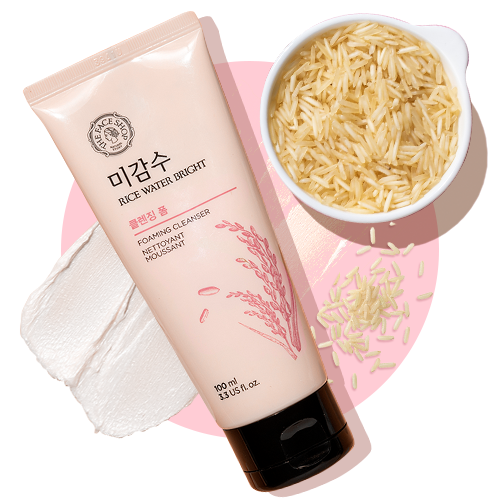
Routine guide: Use a gentle foaming cleanser like Rice Water Bright Cleansing Foam 100 ml twice daily. This formula is lightweight, effective at removing sweat and pollution, and suitable for oily or combination skin types common in India.
Serum Science: Why Lightweight Hydration Matters in Monsoon
It’s a myth that oily or acne-prone skin doesn’t need hydration during monsoon. In fact, skipping moisturizer can worsen oiliness as your skin tries to compensate. The key is choosing the right texture and ingredients:
- Look for water-based serums with hyaluronic acid, niacinamide, or panthenol. These hydrate without heaviness.
- Serums absorb quickly, making them ideal for sticky weather.
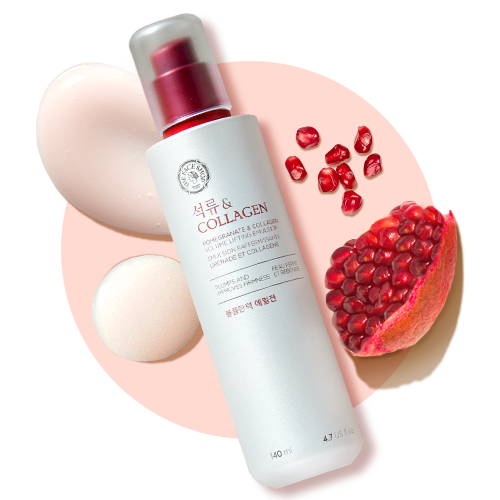
- Layer a lightweight emulsion like Ceramide & Rice Moisturizing Emulsion (150ml) for barrier support if your skin feels tight after cleansing.
INR value tip: Investing in a quality serum (typically INR 800–1500) can save you from spending more on acne treatments later.
Ingredient Spotlight: What to Seek (and Avoid) in Monsoon Skincare
Not all ingredients play well with Indian humidity. Here’s what to look for:
- Seek: Hyaluronic acid, glycerin, niacinamide, ceramides, panthenol, aloe vera.
- Avoid: Heavy oils, comedogenic butters, and alcohol-heavy toners that can irritate or clog pores.
Indian dermatologists recommend patch-testing new products, especially if you have sensitive or acne-prone skin. Remember, what works in dry climates may not suit the Indian monsoon.
Routine Guide: Step-by-Step for Clear Skin This Monsoon
Here’s a practical, evidence-backed routine tailored for Indian skin and weather:
-
Morning
- Cleanse with Rice Water Bright Cleansing Foam 100 ml
- Apply a hydrating serum with hyaluronic acid
- Use a lightweight moisturizer or emulsion
- Finish with a broad-spectrum sunscreen (SPF 30+)
-
Evening
- Double cleanse if you wear makeup or sunscreen
- Apply a serum targeting your main concern (hydration, pigmentation, or acne)
- Moisturize lightly
For those with uneven skin tone or post-acne marks, explore our Uneven Skin Tone and Post Acne Marks collections for targeted solutions.
Counterintuitive Truths: Why Less Can Be More in Monsoon Skincare
It’s tempting to pile on products or scrub harder when your skin feels dirty. However, research and real-world experience show that a minimalist, consistent routine works best during the Indian monsoon:
- Too many actives can irritate and weaken your barrier, making breakouts worse.
- Gentle, regular cleansing and lightweight hydration are more effective than harsh treatments.
- Listen to your skin: If it feels tight, add hydration; if it’s greasy, check for residue or over-cleansing.
Practical India-Specific Tips for Monsoon Skin
- Change pillowcases and towels every 2–3 days to prevent bacteria buildup.
- Shower and cleanse your face after getting caught in the rain to remove pollutants.
- Opt for non-comedogenic, fragrance-free products to reduce irritation.
- Consider using a fan or air conditioner to reduce indoor humidity if possible.
- Watch for fungal acne, which can flare in humid weather - see a dermatologist if you notice persistent, itchy bumps.
How to Choose Monsoon Skincare That’s Worth Your INR
With so many options, focus on products that deliver proven results for Indian skin and climate. Look for:
- Transparent ingredient lists and clinical claims
- Formulas tested for humid, tropical conditions
- Good value: A quality cleanser or serum in the INR 500–1500 range can last 2–3 months with daily use
Shop smart by checking for bundle offers like our 2 AT 1499 and 3 AT 1999 collection for savings on essentials.
When to See a Dermatologist: Know Your Limits
If you experience severe, persistent breakouts, painful cysts, or sudden changes in your skin, consult a dermatologist. Some conditions (like fungal acne or dermatitis) need prescription care. Remember, even the best routine has its limits - professional advice is always the safest bet for stubborn skin issues.
Key Takeaways: Monsoon Skin Clarity Checklist
- Humidity and pollution make Indian skin more prone to clogged pores and breakouts during monsoon.
- Gentle, regular cleansing and lightweight hydration are crucial - avoid harsh scrubs and heavy creams.
- Choose products with proven, non-comedogenic ingredients suited for humid climates.
- Adopt simple, consistent routines and adjust based on your skin’s daily needs.
- Consult a dermatologist for persistent or severe skin concerns.
FAQ
Why does my skin feel sticky and dirty even after washing during monsoon?
High humidity prevents sweat and oil from evaporating, trapping grime and making skin feel persistently unclean. Using a gentle foaming cleanser twice daily can help.
Should I skip moisturizer if my skin is oily in the monsoon?
No. Opt for lightweight, water-based serums or emulsions to hydrate without heaviness. Skipping moisturizer can actually increase oiliness.
How often should I wash my face during the Indian monsoon?
Twice daily is ideal. Over-washing can irritate skin and worsen oiliness. Cleanse after sweating heavily or exposure to pollution.
What ingredients should I avoid in monsoon skincare?
Avoid heavy oils, comedogenic butters, and alcohol-heavy toners. Stick to non-comedogenic, lightweight formulas.
When should I see a dermatologist for monsoon skin issues?
If you have severe, persistent breakouts, painful cysts, or sudden changes in your skin, consult a dermatologist for professional care.