
Quick Summary
Discover the surprising reason your K-Beauty 'glass skin' routine feels sticky during the Indian monsoon. Learn how to adapt your regimen for a fresh, dewy glow—without heaviness or discomfort.
Indian monsoon brings much-needed relief from the heat, but for K-Beauty enthusiasts, it can also mean sticky, uncomfortable skin - especially if you’re chasing that coveted 'glass skin' glow. If your usual routine suddenly feels heavy or greasy, you’re not alone. Let’s uncover the surprising culprit and learn how to tweak your regimen for a fresh, dewy finish that works with, not against, India’s unique climate.
Why Does Your Glass Skin Routine Feel Sticky in the Indian Monsoon?
Most K-Beauty routines are designed for temperate, less humid climates. Indian monsoon humidity can reach 80% or higher, especially in cities like Mumbai or Kolkata. This high moisture in the air slows down evaporation from your skin, so hydrating layers and occlusive products (like heavy creams or oils) don’t absorb as quickly. Instead, they sit on the surface, leading to that dreaded sticky or tacky feeling.
- Counterintuitive fact: The more you layer, the heavier your skin may feel in monsoon, even if you’re using lightweight products.
- Local insight: Many Indian consumers report increased breakouts and shine during monsoon, not just from sweat but from over-hydration and product build-up.
Understanding the Science: Humidity, Skin Barrier, and Product Absorption
Humidity affects how your skin interacts with skincare. In high humidity, your skin’s natural barrier holds onto water, but it also becomes more prone to clogged pores and fungal acne if products are too rich. Ingredients like ceramides and hyaluronic acid are still beneficial, but their delivery method matters.
- Indian climate tip: Water-based gels and emulsions absorb better than thick creams during monsoon.
- Evidence: Dermatologists in India recommend lighter textures to prevent congestion and discomfort (source: Indian Journal of Dermatology, 2023).
Step 1: Rethink Your Cleanser - Go Gentle, Not Stripping
Monsoon brings sweat, pollution, and excess oil, but harsh cleansers can disrupt your skin barrier and worsen stickiness. Opt for a gentle, hydrating cleanser that removes grime without over-drying.
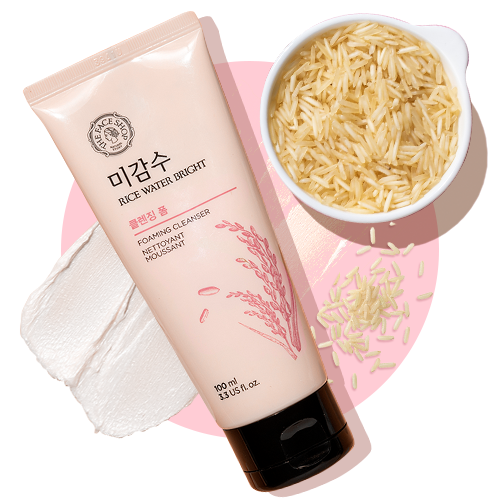
- Try Rice Water Bright Cleansing Foam for a balanced cleanse. Rice water is a traditional Asian ingredient known for brightening and hydration - perfect for glass skin seekers in India.
- Look for formulas with ceramides or glycerin to maintain moisture balance.
Mini-checklist: Avoid cleansers with high alcohol content or strong fragrances, which can irritate during humid weather.
Step 2: Toners and Essences - Less is More in Monsoon
Layering multiple hydrating toners and essences is a K-Beauty staple, but in Indian monsoon, this can backfire. Too many layers trap humidity and sweat, making skin feel sticky.
- Choose a single, lightweight essence with ingredients like niacinamide or green tea extract for oil control and soothing.
- Pat gently - don’t over-apply. One or two layers are enough.
India-specific tip: If you live in coastal cities, consider skipping heavy toners altogether and use a hydrating mist instead.
Step 3: Moisturizer - Switch to Emulsions or Gel Creams
Heavy creams can suffocate your skin in humid weather. Instead, opt for emulsions or gel-based moisturizers that hydrate without leaving residue.
- Ceramide & Rice Moisturizing Emulsion offers barrier support in a lightweight formula - ideal for monsoon stickiness.
- Look for labels like “oil-free,” “non-comedogenic,” or “water-based.”
Value tip: Emulsions last longer and spread easily, offering better INR value per use compared to thick creams.
Step 4: Sunscreen - Don’t Skip, But Go Matte
UV rays penetrate clouds, so sunscreen is non-negotiable - even on rainy days. However, many sunscreens feel greasy in monsoon humidity. Choose a matte, no-shine formula.
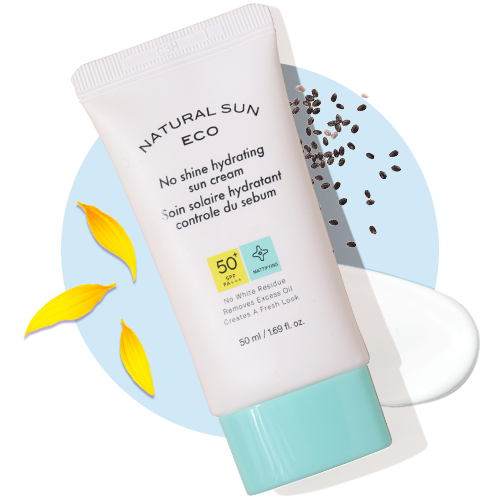
- NaturalSun Eco No Shine Hydrating Sun Cream provides broad-spectrum protection with a lightweight, non-sticky finish - tailored for Indian weather.
- Reapply every 2-3 hours if you’re outdoors, as sweat and rain can wash sunscreen away.
Practical tip: Powder sunscreens can help with midday touch-ups and oil control.
Step 5: Sheet Masks - Hydration Without Heaviness
Sheet masks are a K-Beauty favorite, but some can leave a sticky film. Choose masks with lightweight serums and avoid those with heavy oils.
- Explore Sheet Masks that focus on hydration and soothing, not just brightening.
- Use 1-2 times a week for a quick glow boost without overwhelming your skin.
India-specific hack: Store sheet masks in the fridge for a cooling, de-puffing effect during muggy monsoon nights.
Step 6: Spot Treatments and Exfoliation - Go Slow, Stay Consistent
Monsoon can trigger breakouts due to sweat and clogged pores. Gentle exfoliation (once or twice a week) with ingredients like salicylic acid or centella asiatica can help, but over-exfoliating will worsen stickiness and sensitivity.
- Patch test new actives, especially if your skin is reactive during the season.
- Focus on targeted spot treatments rather than all-over application.
Limitation: If you have persistent acne or irritation, consult a dermatologist - DIY fixes may not be enough.
Step 7: Common Mistakes - What to Avoid for Monsoon Glass Skin
- Over-layering: More isn’t always better. Stick to 3-4 essential steps.
- Ignoring SPF: Clouds don’t block UV rays. Always finish with sunscreen.
- Skipping moisturizer: Oily skin still needs hydration. Choose the right texture.
- Using hot water: It can strip your skin and worsen stickiness.
Counterintuitive fact: Skipping moisturizer can make your skin oilier as it tries to compensate for lost hydration.
Smart Shopping: How to Choose Monsoon-Friendly K-Beauty Products in India
With so many options, it’s easy to feel overwhelmed. Here’s how to make smart, INR-savvy choices:
- Look for multi-tasking products (e.g., emulsions that hydrate and strengthen the barrier).
- Check for “non-comedogenic” and “suitable for humid climates” on labels.
- Take advantage of value bundles like 2 AT 1499 and 3 AT 1999 for cost-effective routine upgrades.
- Read reviews from Indian users to gauge real-world performance in local weather.
Expert tip: Patch test before full use, especially if you have sensitive or reactive skin.
Conclusion: Achieve Comfortable, Dewy Glass Skin - Even in Monsoon
Adapting your K-Beauty routine for the Indian monsoon is about working with the climate, not against it. Focus on lightweight, hydrating layers, avoid overdoing it, and choose products tailored for humidity. With these tweaks, you can enjoy a fresh, luminous glow - minus the stickiness.
FAQs: Monsoon K-Beauty Sticky Routine in India
- Why does my skin feel stickier during the monsoon, even with lightweight products?
- High humidity slows product absorption and increases sweat, making even light products feel heavier. Adjusting your routine to fewer, lighter layers helps.
- Should I skip moisturizer if my skin is oily in the monsoon?
- No. Skipping moisturizer can make your skin produce more oil. Use a gel or emulsion instead of a heavy cream.
- How often should I exfoliate during the monsoon?
- Once or twice a week is enough. Over-exfoliating can irritate your skin and worsen stickiness.
- Are sheet masks suitable for monsoon weather?
- Yes, if you choose lightweight, non-oily formulas. Use them 1-2 times a week for a hydration boost.
- What’s the best way to save money on K-Beauty products in India?
- Look for bundle offers and multi-use products. Check out value deals like 2 AT 1499 and 3 AT 1999 for cost-effective options.
FAQ
Why does my skin feel stickier during the monsoon, even with lightweight products?
High humidity slows product absorption and increases sweat, making even light products feel heavier. Adjusting your routine to fewer, lighter layers helps.
Should I skip moisturizer if my skin is oily in the monsoon?
No. Skipping moisturizer can make your skin produce more oil. Use a gel or emulsion instead of a heavy cream.
How often should I exfoliate during the monsoon?
Once or twice a week is enough. Over-exfoliating can irritate your skin and worsen stickiness.
Are sheet masks suitable for monsoon weather?
Yes, if you choose lightweight, non-oily formulas. Use them 1-2 times a week for a hydration boost.
What’s the best way to save money on K-Beauty products in India?
Look for bundle offers and multi-use products. Check out value deals like 2 AT 1499 and 3 AT 1999 for cost-effective options.