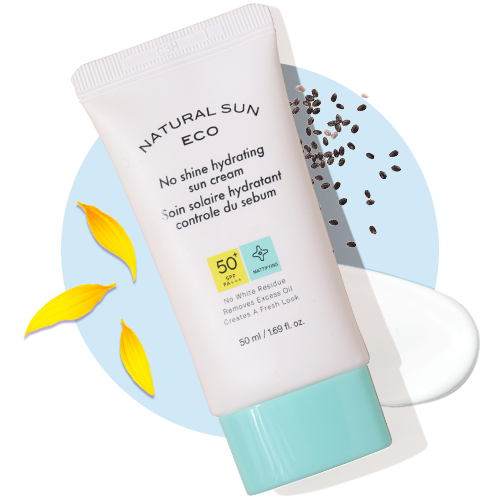


An educational guide exploring how sunscreen textures behave across Indian weather conditions including humidity, heat, commuting, air-conditioning, and long daily wear routines.
Sunscreen texture has become one of the biggest deciding factors in modern skincare routines. In Indian weather conditions, sunscreen is rarely worn for only a few minutes outdoors. Most people wear it through:
-
long office hours,
-
commuting,
-
humidity,
-
indoor air-conditioning,
-
and repeated outdoor exposure.
Because of this, the “best” sunscreen texture often depends less on trends and more on:
-
climate,
-
comfort,
-
layering habits,
-
and long-wear usability.
Today, sunscreen discussions increasingly focus on:
-
gel textures,
-
serum sunscreens,
-
lightweight creams,
-
and breathable daytime wear
rather than SPF numbers alone.
Why Sunscreen Texture Matters More in Indian Weather
Climate Changes How Sunscreen Feels
A sunscreen that feels comfortable during application may behave very differently after:
-
sweating,
-
humidity exposure,
-
outdoor travel,
-
or several hours of wear.
Heat and humidity can make certain textures feel:
-
sticky,
-
greasy,
-
heavy,
-
or uncomfortable during long routines.
This is why sunscreen texture selection has become increasingly important across Indian skincare discussions.
Many people researching breathable daytime SPF routines begin with lightweight Korean sunscreen textures because texture comfort strongly affects consistency during daily wear.
Gel Sunscreen Texture
Why Gel Sunscreens Became Popular in Humid Weather
Gel sunscreen textures are commonly associated with:
-
lightweight wear,
-
faster absorption,
-
and breathable daytime feel.
These textures are especially popular during:
-
humid climates,
-
summer weather,
-
oily skin routines,
-
and long office schedules.
Gel-based sunscreen formats often feel more comfortable because they usually leave less noticeable surface heaviness during extended wear.
Discussions around gel sunscreen textures continue growing rapidly because many users prioritize sunscreen comfort during hot weather conditions.
Who Usually Prefers Gel Sunscreen
Gel sunscreen textures are commonly preferred by people who:
-
experience midday shine,
-
dislike greasy sunscreen,
-
spend long hours outdoors,
-
or prefer lighter daytime skincare routines.
They are also frequently discussed in routines focused on humid-weather sunscreen wearability.
People dealing with excess oiliness often research sunscreen for oily skin alongside gel sunscreen textures because lightweight formulations generally feel easier to maintain throughout the day.
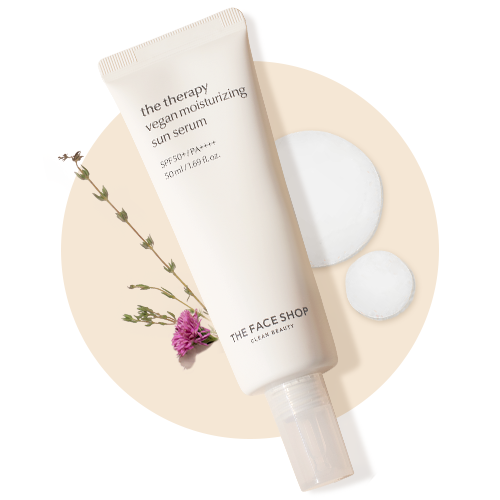
Sunscreen Serum Texture
Why Serum Sunscreens Became More Popular
Sunscreen serum textures became popular as skincare routines shifted toward:
-
lighter layering,
-
minimal-feel products,
-
and breathable daytime application.
These textures are often associated with:
-
thinner consistency,
-
smoother spreadability,
-
and lightweight hydration.
Serum-style sunscreen textures are frequently preferred during:
-
office routines,
-
indoor work schedules,
-
and makeup layering.
Interest in sunscreen serum textures reflects the growing preference for lightweight skincare structures that feel less noticeable during long wear.
How Serum Sunscreens Feel Different
Compared to heavier sunscreen textures, serum formulations often feel:
-
less layered,
-
more fluid,
-
and easier to blend evenly.
This has become increasingly important as sunscreen usage shifts from occasional outdoor protection to full-day daily wear.
Cream Sunscreen Texture
Why Cream Sunscreens Still Matter
Cream sunscreen textures are still widely preferred in:
-
dry weather,
-
winter routines,
-
air-conditioned environments,
-
or skincare routines focused on additional moisture support.
These textures are commonly associated with:
-
richer feel,
-
smoother barrier comfort,
-
and longer-lasting hydration support.
The best sunscreen texture is not always the lightest one. Environmental conditions and skin comfort play a major role in texture preference.
People experiencing dryness during long indoor schedules often explore routines associated with sunscreen for dry skin, especially during colder months or in air-conditioned environments.
Which Sunscreen Texture Feels Best During Humidity
Lightweight Textures Usually Feel Easier During Hot Weather
Humidity changes how sunscreen behaves after several hours.
Heavier textures may:
-
trap sweat,
-
increase visible shine,
-
or feel uncomfortable during commuting.
This is one reason gel and serum sunscreen textures are frequently discussed during Indian summers.
However, texture preference still depends on:
-
activity level,
-
indoor vs outdoor exposure,
-
and personal comfort.
Why Makeup Compatibility Changed Sunscreen Preferences
Layering Behavior Became More Important
Modern sunscreen is commonly worn:
-
under makeup,
-
during office hours,
-
and throughout long indoor-outdoor schedules.
Because of this, users increasingly evaluate sunscreen based on:
-
pilling,
-
layering smoothness,
-
texture balance,
-
and long-wear appearance.
Lighter sunscreen textures are often preferred because they feel easier to layer without becoming heavy later in the day.
People balancing shine and dryness simultaneously often research sunscreen for combination skin, where texture balance becomes more important than extremely matte or rich finishes.
Why Lightweight Sunscreen Feels Easier To Reapply
Reapplication Comfort Influences Consistency
One overlooked factor in sunscreen behavior is how comfortable it feels during reapplication.
Heavy sunscreen textures may discourage reapplication because they can:
-
feel layered,
-
disturb makeup,
-
or become sticky after multiple applications.
Lighter sunscreen textures are often easier to:
-
reapply during travel,
-
wear throughout office schedules,
-
and maintain during long daytime routines.
As sunscreen becomes part of everyday skincare habits, reapplication comfort increasingly influences product preference.
How Urban Indian Routines Changed Sunscreen Expectations
Sunscreen Is Evaluated Through Long Daily Wear
Modern sunscreen wear often includes:
-
metro travel,
-
outdoor exposure,
-
office lighting,
-
video calls,
-
and long work schedules.
Because of this, sunscreen is now evaluated based on:
-
texture behavior,
-
finish stability,
-
comfort during humidity,
-
and long-wear usability.
This shift significantly changed how sunscreen textures are discussed across skincare communities today.
People who experience congestion from heavier daytime SPF products also increasingly explore routines associated with non-comedogenic sunscreen, especially during humid weather conditions.
Why Sunscreen Texture Discussions Continue Growing
Texture Is Now Part of Sunscreen Performance
Modern sunscreen expectations extend beyond UV protection alone.
People increasingly evaluate sunscreen based on:
-
how breathable it feels,
-
how it layers,
-
how it behaves during humidity,
-
and how naturally it fits into everyday routines.
This evolution is especially noticeable in Indian climates where sunscreen often needs to remain comfortable through heat, humidity, commuting, and long daily wear conditions.