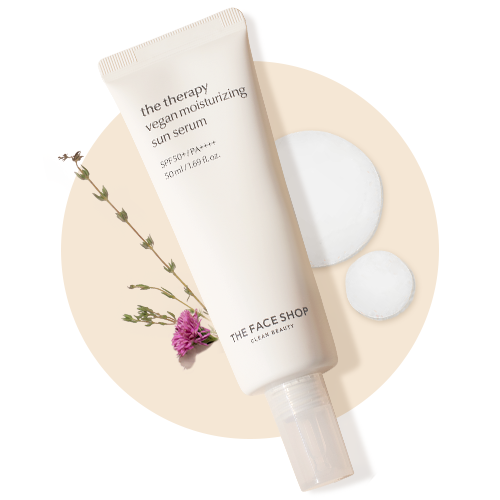
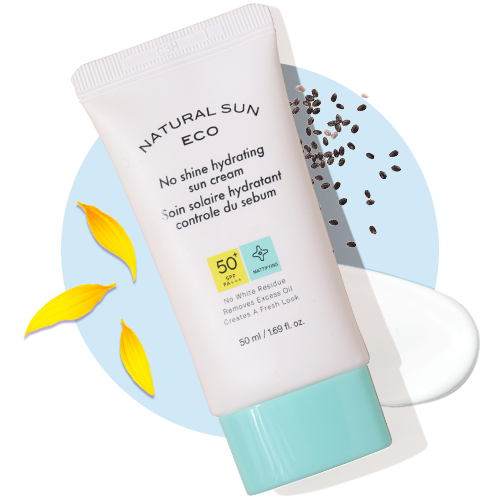


An educational comparison exploring how Korean and Western sunscreen formulations differ in texture philosophy, layering comfort, finish behavior, and long-wear performance across Indian weather conditions.
Sunscreen conversations today are no longer limited to SPF numbers alone. People increasingly compare sunscreen based on:
-
texture,
-
finish,
-
layering behavior,
-
makeup compatibility,
-
and long-wear comfort.
This is one reason comparisons between Korean sunscreen and Western sunscreen have become more common across skincare discussions in India.
While both approaches focus on sun protection, their formulation philosophies often feel noticeably different during everyday wear, especially in humid climates where sunscreen stays on the skin for long hours.
Why Korean and Western Sunscreens Often Feel Different
Formulation Philosophy Plays a Big Role
One of the biggest differences comes from how sunscreen is expected to fit into skincare routines.
Many Korean sunscreen formulations are designed around:
-
lightweight layering,
-
breathable daytime wear,
-
smoother texture spread,
-
and cosmetic elegance.
In contrast, many traditional Western sunscreen formats historically focused more heavily on:
-
durability,
-
outdoor exposure,
-
sports usage,
-
and longer resistance performance.
This does not mean one is universally better than the other. Instead, they are often developed with different usage environments and routine preferences in mind.
People exploring breathable daytime SPF textures often research lightweight Korean sunscreen routines because wearability has become increasingly important in modern skincare habits.
Texture Differences Between Korean & Western Sunscreens
Korean Sunscreens Often Prioritize Lightweight Feel
One major reason Korean sunscreen formulations became globally popular is their lighter texture behavior.
Many users describe Korean sunscreen textures as:
-
thinner,
-
easier to spread,
-
less greasy,
-
and more comfortable during long wear.
This becomes especially relevant in climates where sunscreen remains on the skin during:
-
commuting,
-
office hours,
-
humid afternoons,
-
and repeated indoor-outdoor transitions.
As sunscreen becomes part of daily skincare rather than occasional outdoor use, texture comfort increasingly influences sunscreen preference.
Western Sunscreens Often Focus on Outdoor Durability
Many Western sunscreen formulations historically evolved around:
-
beach exposure,
-
sports environments,
-
water resistance,
-
and intense outdoor conditions.
Because of this, some textures may feel:
-
richer,
-
heavier,
-
or more durable during extended exposure.
This approach is often useful during:
-
outdoor sports,
-
high sun exposure,
-
swimming,
-
or long travel conditions.
The difference is often less about SPF quality and more about intended wear conditions.
Why Korean Sunscreens Became Popular in Humid Climates
Humidity Changes How Sunscreen Feels
In humid weather, sunscreen texture becomes much more noticeable after several hours.
Heavy sunscreen textures may:
-
feel sticky,
-
increase visible shine,
-
become uncomfortable during sweating,
-
or feel layered throughout the day.
This is one reason lightweight Korean sunscreen textures gained popularity across Asian climates where humidity heavily affects skincare comfort.
People navigating excess oiliness during humid conditions frequently explore routines connected to sunscreen for oily skin, where breathable textures often feel easier to maintain.
Why Korean Sunscreens Are Frequently Discussed for Makeup Layering
Cosmetic Elegance Became More Important
Modern sunscreen is often expected to:
-
layer smoothly,
-
avoid pilling,
-
work under makeup,
-
and remain visually balanced throughout the day.
Many Korean sunscreen formulations are specifically developed with these expectations in mind.
This is one reason discussions around Korean sunscreen frequently focus on:
-
finish behavior,
-
lightweight wear,
-
and smoother layering compatibility.
As sunscreen becomes integrated into everyday grooming routines, cosmetic comfort increasingly shapes consumer preference.
Gel & Serum Sunscreen Trends
Lightweight Formats Changed Sunscreen Expectations
The growing popularity of:
-
gel sunscreen,
-
sunscreen serum textures,
-
and fluid SPF formats
has significantly influenced sunscreen preferences globally.
These formats are commonly associated with:
-
faster absorption,
-
breathable wear,
-
and reduced heaviness during long daytime schedules.
Conversations around gel sunscreen textures continue growing because many users now prioritize long-wear comfort alongside protection.
Similarly, interest in sunscreen serum textures reflects broader movement toward lighter daytime skincare routines.
Why White Cast Discussions Became More Important
Finish Visibility Influences Sunscreen Preference
One common reason people compare sunscreen formulations today is visible finish behavior.
Many users now evaluate sunscreen based on:
-
white cast visibility,
-
blendability,
-
texture balance,
-
and how naturally it sits across different skin tones.
This discussion became particularly important in regions where sunscreen is worn daily under:
-
strong daylight,
-
office lighting,
-
and makeup layering.
The growing demand for visually seamless sunscreen significantly influenced the popularity of lighter Korean sunscreen textures globally.
How Daily Urban Routines Changed Sunscreen Expectations
Sunscreen Is No Longer Occasional
Modern sunscreen usage often includes:
-
commuting,
-
long office hours,
-
screen exposure,
-
video calls,
-
and repeated outdoor transitions.
Because of this, sunscreen is increasingly evaluated based on:
-
wear comfort,
-
finish stability,
-
layering behavior,
-
and reapplication ease.
This shift changed how people compare sunscreen formulations today.
People balancing both dryness and shine throughout long workdays often explore routines associated with sunscreen for combination skin, where texture balance becomes especially important.
Why Reapplication Comfort Matters More Today
Comfortable Sunscreen Is Easier To Use Consistently
One overlooked difference between sunscreen styles is reapplication experience.
Sunscreen that feels:
-
lightweight,
-
breathable,
-
and non-layered
is generally easier to reapply during:
-
travel,
-
office schedules,
-
and long outdoor days.
This is one reason modern sunscreen discussions increasingly prioritize wearability rather than only SPF ratings alone.
Why Comparison Discussions Continue Growing
Sunscreen Expectations Have Evolved
The rise of Korean vs Western sunscreen discussions reflects broader changes in skincare behavior overall.
People no longer evaluate sunscreen only by:
-
protection level,
-
packaging,
-
or immediate finish.
Instead, sunscreen conversations increasingly focus on:
-
texture philosophy,
-
climate suitability,
-
long-wear comfort,
-
layering compatibility,
-
and daily routine integration.
This evolution is especially noticeable in India where sunscreen performance is heavily influenced by humidity, commuting, and extended daytime wear conditions.