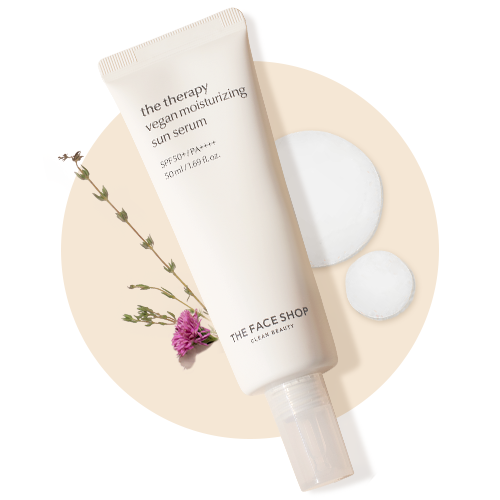
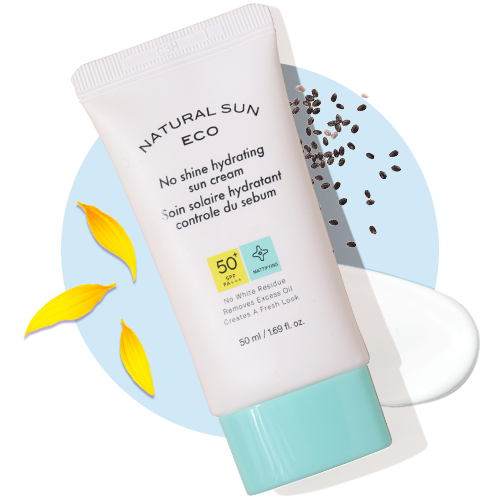


An India-focused guide explaining how sunscreen texture behaves in humidity, sweat, long commutes, and hot weather conditions where heavy SPF formulas often feel uncomfortable during daily wear.
Hot and humid weather changes how sunscreen feels on the skin. A formula that feels comfortable in cooler conditions may suddenly feel:
-
greasy,
-
sticky,
-
heavy,
-
or difficult to wear during humid afternoons.
This is one reason lightweight sunscreen textures have become increasingly important across Indian skincare routines, especially in cities where heat and humidity remain high for most of the year.
Today, sunscreen is expected to work through:
-
long office hours,
-
crowded commutes,
-
outdoor exposure,
-
sweating,
-
and repeated indoor-outdoor transitions.
Because of this, many people now prioritize sunscreen wearability just as much as SPF protection itself.
Why Humidity Changes Sunscreen Performance
Sweat and Oil Affect How Sunscreen Sits on the Skin
Humidity increases:
-
sweating,
-
surface oil production,
-
and product movement throughout the day.
In these conditions, heavier sunscreen textures may:
-
feel suffocating,
-
separate around oily areas,
-
create excess shine,
-
or feel uncomfortable after several hours.
This is why lightweight sunscreen formulations are increasingly preferred for humid weather routines.
People dealing with midday shine or greasy sunscreen buildup often research routines related to sunscreen for oily skin, particularly during Indian summers.
Why Lightweight Sunscreen Became a Bigger Trend in India
Daily Wear Comfort Influences Consistency
One major reason people skip sunscreen regularly is discomfort during long wear.
This becomes more noticeable in:
-
humid metro travel,
-
outdoor commuting,
-
office-to-outdoor transitions,
-
and crowded public transport environments.
A sunscreen that feels breathable is generally easier to:
-
reapply,
-
layer,
-
and wear consistently throughout the day.
This growing preference for breathable daytime SPF has contributed significantly to discussions around lightweight Korean sunscreen textures, especially for long daily wear.
What Makes a Sunscreen Feel Lightweight
Texture Matters More Than SPF Alone
Many people assume higher SPF automatically means heavier sunscreen, but texture formulation often matters more than SPF number itself.
Lightweight sunscreen textures are usually designed to:
-
spread more evenly,
-
absorb faster,
-
reduce visible residue,
-
and remain comfortable during extended wear.
Modern sunscreen discussions increasingly focus on:
-
finish behavior,
-
layering comfort,
-
and humidity performance
rather than only protection claims.
Gel Sunscreen Textures in Humid Weather
Why Gel Formats Are Commonly Preferred During Summer
Gel sunscreen textures are often associated with:
-
breathable wear,
-
quicker absorption,
-
and lighter daytime feel.
These textures are especially popular during:
-
summer weather,
-
humid climates,
-
and long office schedules.
Conversations around gel sunscreen textures continue growing because many users prefer sunscreen that feels less noticeable throughout the day.
Why Heavy Sunscreen Can Feel Uncomfortable During Commutes
Long Wear Conditions Change Texture Experience
A sunscreen applied at home may feel very different after:
-
sweating outdoors,
-
travelling through humidity,
-
sitting in traffic,
-
or spending hours in warm weather.
This is one reason sunscreen is increasingly evaluated based on:
-
long-wear comfort,
-
finish stability,
-
and how naturally it fits into real-world routines.
For people moving repeatedly between outdoor heat and indoor cooling, lightweight textures often feel easier to maintain throughout the day.
How Korean Sunscreen Formulations Influenced Lightweight SPF Trends
Cosmetic Elegance Became More Important
Many Korean sunscreen formulations became popular because they focused heavily on:
-
lighter texture behavior,
-
smoother layering,
-
reduced heaviness,
-
and comfortable daytime wear.
As sunscreen evolved into an everyday skincare essential rather than occasional outdoor protection, texture elegance became increasingly important.
This shift influenced how people evaluate sunscreen today, particularly in climates where SPF remains on the skin for long hours continuously.
Why Humid Weather Often Increases Shine
Heat and Sweat Affect Sunscreen Finish
In humid environments, sunscreen may interact differently with:
-
sweat,
-
oil production,
-
pollution exposure,
-
and repeated facial touching.
Some formulas may appear shinier after several hours, especially during outdoor exposure.
This is why many users prefer sunscreen textures that:
-
remain breathable,
-
feel lighter during humidity,
-
and avoid excessive surface heaviness.
People balancing both oily and dry areas during humid weather also frequently research routines associated with sunscreen for combination skin, where texture balance becomes particularly important.
Why Lightweight Sunscreen Helps With Reapplication
Comfortable Reapplication Improves SPF Consistency
One overlooked factor in sunscreen effectiveness is whether people feel comfortable reapplying it.
Heavy sunscreen textures may discourage reapplication because they can:
-
feel layered,
-
become sticky,
-
or disturb makeup.
Lighter sunscreen textures are often easier to:
-
reapply during travel,
-
layer over existing skincare,
-
and wear during long daytime schedules.
As sunscreen usage becomes more routine-based, reapplication comfort has become a much larger discussion across skincare communities.
Why Urban Indian Routines Changed Sunscreen Expectations
Sunscreen Is No Longer Occasional
Modern sunscreen wear often includes:
-
office schedules,
-
commuting,
-
indoor screen exposure,
-
outdoor walking,
-
and long daytime wear.
Because of this, people increasingly expect sunscreen to:
-
feel breathable,
-
remain visually balanced,
-
and work comfortably throughout changing weather conditions.
This shift has significantly influenced the growing demand for lightweight sunscreen textures in India.
People who experience congestion from heavier daytime SPF products also increasingly look into routines connected to non-comedogenic sunscreen, particularly during humid conditions.
Why Lightweight Sunscreen Discussions Continue Growing
Wearability Is Now Part of Sunscreen Performance
Modern sunscreen expectations now extend beyond UV protection alone.
People increasingly evaluate sunscreen based on:
-
texture behavior,
-
humidity performance,
-
layering comfort,
-
finish consistency,
-
and long-wear usability.
This change is especially noticeable in Indian climates where sunscreen needs to remain comfortable across heat, humidity, commuting, and long daytime schedules.