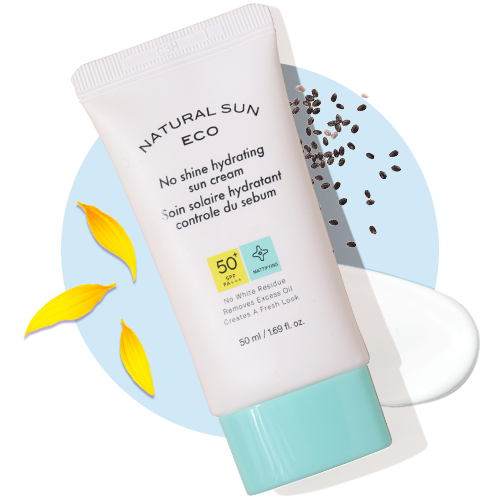


An educational guide exploring how sunscreen texture, humidity, layering, and lighting conditions influence white cast visibility during everyday wear on Indian skin tones.
One of the most common reasons people avoid sunscreen consistently is the fear of white cast. In real-world conditions, sunscreen is rarely judged immediately after application. Most people evaluate how it looks:
-
during daylight,
-
under office lighting,
-
in photographs,
-
during commuting,
-
or after several hours of wear.
For many Indian skin tones, heavy sunscreen residue or an ashy finish can feel noticeable during everyday routines. This is why conversations around no white cast sunscreen have grown rapidly across skincare discussions in recent years.
Modern sunscreen expectations now go beyond SPF alone. People increasingly want sunscreen that:
-
blends naturally,
-
layers comfortably,
-
works under makeup,
-
and feels visually seamless during long wear.
This shift has contributed significantly to growing interest in lightweight Korean sunscreen formulations designed around cosmetic elegance and wearable textures.
What Actually Causes White Cast in Sunscreen
White Cast Usually Comes From Visible Residue on the Skin
White cast refers to the visible pale or greyish layer some sunscreen formulations may leave after application.
This becomes more noticeable when:
-
the sunscreen sits unevenly,
-
the texture is too thick,
-
or the formulation leaves visible mineral residue on deeper skin tones.
The appearance of white cast may also vary depending on:
-
skin tone,
-
lighting conditions,
-
product layering,
-
humidity,
-
and sunscreen texture.
Many modern sunscreen discussions now focus heavily on finish behavior because sunscreen is expected to function as an everyday wearable product rather than occasional outdoor protection.
Texture and Blendability Matter More During Long Wear
A sunscreen may initially look invisible but behave differently after:
-
sweating,
-
humidity exposure,
-
repeated layering,
-
or makeup application.
This is one reason lightweight sunscreen textures are increasingly preferred during Indian weather conditions where sunscreen often remains on the skin for extended hours.
People researching breathable daytime SPF routines frequently explore lightweight Korean sunscreen textures because texture spreadability strongly affects visible finish during long wear.
Why White Cast Feels More Noticeable on Indian Skin Tones
Lighting and Undertones Affect Sunscreen Appearance
White cast discussions are particularly common across Indian skincare routines because many sunscreen textures behave differently across:
-
warm undertones,
-
olive undertones,
-
medium-deep complexions,
-
and humid daylight conditions.
Natural daylight often makes sunscreen residue more visible compared to indoor application.
This is especially noticeable during:
-
outdoor commuting,
-
office transitions,
-
flash photography,
-
and midday sunlight exposure.
As sunscreen becomes part of everyday skincare wear rather than occasional application, visual finish consistency has become increasingly important.
Why Korean Sunscreens Are Frequently Discussed for No White Cast Wear
Korean Formulations Often Prioritize Cosmetic Elegance
One major reason Korean sunscreen formulations gained popularity globally is their focus on:
-
smoother blending,
-
lighter texture behavior,
-
and more seamless daytime wear.
Instead of developing sunscreen only around durability, many Korean formulations also emphasize:
-
finish quality,
-
layering compatibility,
-
and cosmetic comfort.
This approach has become increasingly relevant in climates where sunscreen must remain wearable throughout long daily schedules.
Lightweight Layering Helps Reduce Visible Residue
Heavy sunscreen buildup can sometimes make white cast appear more noticeable, especially when multiple skincare layers are applied underneath.
Modern Korean sunscreen textures often focus on:
-
thinner spreadability,
-
lighter film formation,
-
and smoother finish distribution.
This has contributed to rising discussions around lightweight sunscreen formats in Indian skincare routines.
People balancing shine control with smoother daytime wear often research routines associated with sunscreen for combination skin, where finish balance becomes particularly important.
Why Humidity Can Make White Cast More Noticeable
Sweat and Product Movement Affect Finish Consistency
Humidity can change how sunscreen sits on the skin after several hours.
In some situations:
-
sweating may separate sunscreen layers,
-
excess oil may affect finish appearance,
-
or thicker textures may become more visible throughout the day.
This is why breathable sunscreen textures are increasingly discussed during Indian summers and humid weather conditions.
People experiencing excess shine or texture heaviness during long daytime wear often explore routines associated with sunscreen for oily skin, particularly during warmer seasons.
Makeup Layering Often Influences White Cast Appearance
Sunscreen Compatibility Matters Under Makeup
Many people notice white cast more after:
-
foundation layering,
-
compact application,
-
flash photography,
-
or repeated touch-ups.
This is because sunscreen texture compatibility directly affects how makeup settles throughout the day.
Modern sunscreen discussions increasingly focus on:
-
pilling resistance,
-
smoother layering,
-
and finish stability
rather than only SPF protection alone.
This shift reflects how sunscreen has become integrated into everyday grooming and makeup routines.
Why Finish Expectations Around Sunscreen Have Changed
Sunscreen Is Now Expected To Feel Invisible
Earlier sunscreen usage was often associated with:
-
beachwear,
-
outdoor sports,
-
or occasional sun exposure.
Today, sunscreen is commonly worn:
-
during office hours,
-
while commuting,
-
under makeup,
-
and across long indoor-outdoor routines.
Because of this, users increasingly expect sunscreen to:
-
feel lightweight,
-
remain visually balanced,
-
and blend naturally across different lighting conditions.
This change in sunscreen expectations has significantly influenced the popularity of lighter Korean sunscreen textures globally.
Why Some People Prefer Serum-Style Sunscreen Textures
Lighter Film Formation Can Improve Wearability
Serum-style sunscreen textures are increasingly discussed because they are often associated with:
-
thinner layering,
-
lightweight feel,
-
and smoother daytime blending.
These textures are commonly preferred during:
-
humid weather,
-
office routines,
-
and minimal daytime skincare routines.
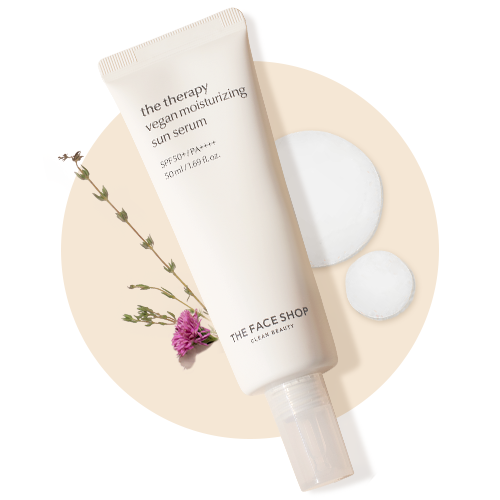
Conversations around lighter sunscreen layering frequently overlap with interest in sunscreen serum textures, particularly among users prioritizing breathable daytime wear.
Why Sunscreen Consistency Depends on Wear Comfort
Comfortable Sunscreen Is More Likely To Be Used Daily
One overlooked aspect of sunscreen behavior is long-term consistency.
People are generally more likely to use sunscreen regularly when it:
-
blends comfortably,
-
feels lightweight,
-
layers naturally,
-
and remains visually comfortable throughout the day.
This is one reason conversations around no white cast sunscreen continue growing across Indian skincare communities.
As sunscreen becomes part of everyday routines rather than occasional exposure-based use, texture comfort increasingly shapes user preference.
How Urban Daily Routines Changed Sunscreen Expectations
Sunscreen Is Evaluated Across Real-Life Conditions
Modern sunscreen usage often involves:
-
commuting,
-
office lighting,
-
video calls,
-
long indoor schedules,
-
outdoor transitions,
-
and photography exposure.
Because of this, sunscreen is now judged based on:
-
long-wear appearance,
-
visual comfort,
-
layering stability,
-
and finish consistency.
This shift has contributed significantly to growing interest in breathable sunscreen textures designed for long daytime wear.
People dealing with heavier sunscreen buildup or congestion during humid conditions also increasingly research routines associated with non-comedogenic sunscreen, especially when daily layering becomes uncomfortable.
Why No White Cast Discussions Continue Growing
Modern Sunscreen Expectations Go Beyond Protection Alone
The rise of no white cast sunscreen discussions reflects broader changes in skincare behavior overall.
People no longer evaluate sunscreen only by:
-
SPF numbers,
-
packaging,
-
or initial texture.
Instead, conversations increasingly focus on:
-
finish behavior,
-
layering compatibility,
-
long-wear appearance,
-
humidity performance,
-
and real-world comfort across different lighting conditions.
This evolution is especially noticeable in India where sunscreen often needs to perform consistently across changing environments throughout the day.