

In India, sunscreen performance is often judged after several hours of wear rather than immediately after application. A formula that feels comfortable at home may behave very differently after exposure to:
-
humidity,
-
traffic pollution,
-
outdoor heat,
-
sweating,
-
and indoor air-conditioning.
This is one reason Korean sunscreen formulations have gained attention across modern skincare routines. Their popularity is not based only on SPF claims, but also on how the texture behaves throughout the day under changing environmental conditions.
Many Korean sunscreen formulations are developed with strong emphasis on:
-
spreadability,
-
lighter layering,
-
finish consistency,
-
and long-wear comfort.
As sunscreen usage shifts from occasional beach application to everyday skincare use, these formulation differences have become more noticeable in real-world routines.
Why Sunscreen Texture Has Become a Bigger Discussion Than SPF Alone
Daily Wear Experience Influences Sunscreen Consistency
One major shift in skincare behavior is that sunscreen is now expected to function as an everyday wearable product rather than a seasonal product.
Because of this, people increasingly evaluate sunscreen based on:
-
how it layers,
-
how it settles after several hours,
-
whether it affects makeup,
-
and how it behaves during long workdays.
This is particularly relevant in climates where sunscreen may remain on the skin during:
-
extended commuting,
-
outdoor movement,
-
humid afternoons,
-
and long indoor office schedules.
Much of the growing interest around lightweight Korean sunscreen comes from this shift toward long-wear usability rather than occasional application.
How Indian Climate Conditions Affect Sunscreen Performance
Humidity Changes How Sunscreen Sits on the Skin
High humidity can significantly affect sunscreen texture throughout the day.
Some formulas may:
-
become shinier,
-
feel heavier after sweating,
-
separate under makeup,
-
or feel uncomfortable during repeated outdoor exposure.
This is why breathable sunscreen textures have become more widely discussed, especially in cities where humidity remains high for most of the year.
People navigating excess oiliness during humid conditions often research routines associated with sunscreen for oily skin because texture stability becomes increasingly important in warmer climates.
Air-Conditioned Environments Create Different Wear Conditions
A common issue many people notice is that sunscreen may behave differently indoors compared to outdoors.
Moving repeatedly between:
-
outdoor heat,
-
metro travel,
-
office air-conditioning,
-
and dry indoor environments
can change how sunscreen feels after several hours.
Some textures may become:
-
overly matte,
-
dehydrating,
-
patchy,
-
or uncomfortable during long wear.
This is one reason texture balance has become an important discussion in Korean sunscreen formulation philosophy.
Why Korean Sunscreen Formulations Often Feel More Lightweight
Formulation Philosophy Focuses on Layering Compatibility
Many Korean skincare formulations are designed around layered skincare routines.
Because sunscreen is expected to sit comfortably over:
-
toners,
-
serums,
-
moisturisers,
-
and makeup,
the texture philosophy often prioritizes:
-
thinner consistency,
-
smoother spreadability,
-
lower visible residue,
-
and reduced heaviness.
This differs from older sunscreen formats that often prioritized durability while placing less emphasis on cosmetic elegance.
The increasing popularity of lightweight sunscreen textures reflects broader changes in how people approach daytime skincare routines today.
Understanding Different Korean Sunscreen Texture Categories
Gel-Based Sunscreen Textures
Gel sunscreen textures are commonly associated with:
-
faster absorption,
-
breathable wear,
-
and reduced heaviness during humid weather.
These textures are often preferred during:
-
summer conditions,
-
oily skin routines,
-
and long daytime schedules.
Conversations around gel sunscreen textures have grown significantly because many users now prioritize wearability across extended daytime routines rather than immediate finish alone.
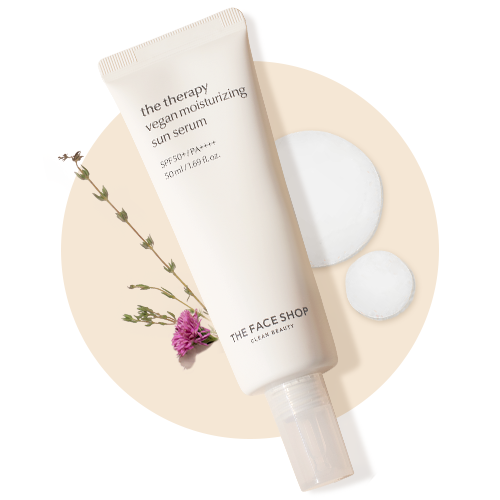
Serum-Style Sunscreen Textures
Serum-style sunscreen formulations are increasingly discussed in routines focused on:
-
minimal layering,
-
lightweight hydration,
-
and comfortable daytime application.
These textures are commonly preferred among people who:
-
spend long hours indoors,
-
wear sunscreen under makeup,
-
or prefer skincare routines with fewer heavy layers.
The rise of serum-texture sunscreen discussions reflects growing interest in lighter daytime skincare structures overall.
Cream-Based Sunscreen Textures
Cream-texture sunscreen formulations are often preferred in:
-
colder weather,
-
drier indoor conditions,
-
or routines requiring additional moisture support.
This highlights an important shift in sunscreen selection behavior:
people increasingly choose sunscreen textures based on environmental comfort rather than only broad skin-type labels.
During dry weather or heavily air-conditioned routines, discussions around sunscreen for dry skin become more common because hydration balance affects long-wear comfort significantly.
Why Sunscreen Layering Has Become More Important
Sunscreen Is Now Part of Everyday Skincare Structure
Earlier sunscreen usage was often occasional and exposure-based.
Today, sunscreen is frequently integrated into:
-
office skincare routines,
-
commute routines,
-
makeup preparation,
-
and long indoor-outdoor schedules.
Because of this, sunscreen texture compatibility matters much more than before.
Users increasingly look for sunscreen that:
-
layers evenly,
-
settles naturally,
-
and remains comfortable throughout changing environments.
This is especially noticeable among people balancing skincare layering with makeup routines or long work schedules.
People managing both shine and dryness simultaneously often explore routines associated with sunscreen for combination skin, where texture balance becomes more relevant than extremely matte or rich finishes.
Why Lightweight Sunscreen Improves Long-Term Consistency
Comfortable Products Tend To Be Used More Regularly
One overlooked factor in sunscreen behavior is repeat usability.
Products that feel:
-
breathable,
-
cosmetically elegant,
-
and easy to reapply
are generally more likely to become part of consistent daily habits.
This is one reason Korean sunscreen discussions frequently focus on:
-
texture,
-
layering,
-
finish,
-
and wearability
rather than only protection claims alone.
As sunscreen becomes more integrated into regular skincare habits, comfort increasingly influences long-term consistency.
How Urban Lifestyles Changed Sunscreen Expectations
Modern Routines Require Longer Wear Stability
Daily sunscreen usage today often involves:
-
commuting,
-
prolonged screen exposure,
-
pollution exposure,
-
outdoor transitions,
-
and extended working hours.
Because of this, sunscreen is now evaluated based on:
-
how it behaves after several hours,
-
whether it remains comfortable,
-
and how easily it fits into daily routines.
This shift has contributed significantly to rising interest in breathable Korean sunscreen formulations across urban skincare discussions.
People dealing with congestion from heavier daytime products also increasingly explore routines connected to non-comedogenic sunscreen, especially during humid conditions where buildup becomes more noticeable.
Why Korean Sunscreen Discussions Continue Growing Globally
Sunscreen Expectations Have Changed
The growing interest in Korean sunscreen formulations reflects broader changes in skincare behavior overall.
People no longer evaluate sunscreen only by:
-
SPF level,
-
packaging,
-
or immediate finish.
Instead, discussions increasingly focus on:
-
long-wear comfort,
-
layering compatibility,
-
climate suitability,
-
texture balance,
-
and consistency during everyday use.
This change is particularly visible in climates like India where sunscreen performance is heavily influenced by weather, commuting patterns, and long daily wear conditions.