
Quick Summary
Discover the dermatologist-recommended actives for glowing Indian skin. Learn what works, why, and how to choose the right ingredients for your unique needs.
Beyond 'Natural': The Actives Indian Dermatologists Trust for Glowing Skin
Many Indians believe that 'natural' always means 'better' in skincare. But dermatologists across India are recommending a new generation of active ingredients - proven by science, tailored for Indian skin, and designed to deliver visible radiance. This guide breaks down the most effective actives, how to choose them, and what to expect, so you can invest wisely in your glow.
1. Why 'Natural' Isn't Always Enough for Indian Skin
While ingredients like turmeric and aloe vera are beloved in Indian households, dermatologists caution that not all natural remedies deliver consistent results. For example, lemon juice can irritate sensitive skin and worsen pigmentation due to its acidity and photosensitivity risk. In contrast, actives like Vitamin C and niacinamide have been clinically tested for safety and efficacy on diverse skin tones, including Indian complexions. According to a 2022 survey by the Indian Association of Dermatologists, over 70% of professionals now recommend evidence-backed actives over DIY natural remedies for concerns like dullness and hyperpigmentation.
2. What Are 'Actives' and Why Do They Matter?
'Actives' are ingredients in skincare products that directly target specific skin concerns - think Vitamin C for brightening, salicylic acid for acne, or niacinamide for barrier support. Unlike basic moisturisers or cleansers, actives are formulated at concentrations proven to make a difference. In India's humid climate, actives help address issues like excess oil, pigmentation, and uneven texture, which are common across skin tones. Choosing the right active can mean the difference between a subtle glow and a true transformation.
3. Vitamin C: The Gold Standard for Brightening
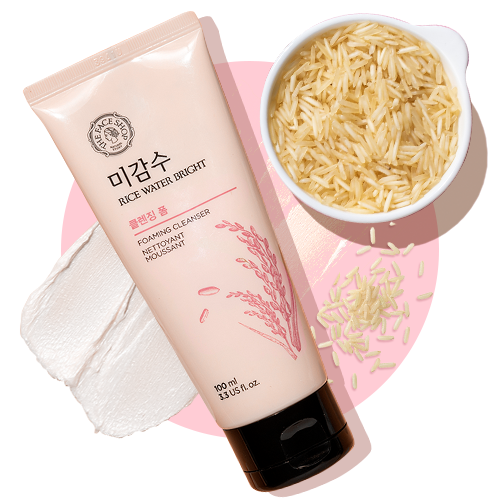
Vitamin C is the most recommended active for glowing skin by Indian dermatologists. It helps fade dark spots, boosts collagen, and protects against pollution-induced damage. Look for serums with 10-20% L-ascorbic acid or stable derivatives. For example, the Minimalist 10% Vitamin C Face Serum (around INR 695) is praised for its effectiveness and value. If you prefer a gentle introduction, try a Vitamin C cleanser like the Vitamin C Brightening Foaming Face Wash from The Face Shop, which is suitable for daily use and sensitive skin. Always use sunscreen with Vitamin C to prevent photosensitivity, especially in India's intense sun.
4. Niacinamide: The Multi-Tasker for Indian Skin
Niacinamide (Vitamin B3) is a dermatologist favourite for Indian skin because it tackles multiple concerns: dullness, enlarged pores, uneven tone, and even mild acne. Studies show that 5% niacinamide can visibly brighten skin within 8 weeks. It's also well-tolerated in humid climates and suitable for all skin tones. Products like Plum's 10% Niacinamide Serum (approx. INR 450) offer affordable, effective options. For those with sensitive skin, start with a lower concentration and patch test first.
5. Salicylic Acid: Banish Oil and Breakouts
Oily skin and frequent breakouts are common in India, especially in cities with high humidity. Salicylic acid (BHA) is a proven solution - it penetrates pores, dissolves excess oil, and prevents acne. Dermatologists recommend starting with a 1-2% salicylic acid cleanser, such as Neutrogena Oil-Free Acne Wash (around INR 650), or Plum Green Tea Pore Cleansing Face Wash (about INR 345) for a budget-friendly choice. Limit use to once daily to avoid over-drying, and always follow with a lightweight moisturiser.
6. Alpha Arbutin and Licorice: Targeted Pigmentation Fighters
Hyperpigmentation is a top concern for Indian skin, often worsened by sun exposure and hormonal changes. Alpha arbutin and licorice extract are two actives that dermatologists trust for gentle, gradual fading of dark spots. Alpha arbutin works by inhibiting melanin production, while licorice soothes inflammation and brightens. Look for serums with 2-5% alpha arbutin or licorice as a main ingredient. These actives are suitable for daily use and pair well with Vitamin C for enhanced results.
7. How to Choose the Right Actives for Your Skin Type
- Oily/Acne-Prone: Salicylic acid, niacinamide, tea tree extract
- Dry/Sensitive: Niacinamide, hyaluronic acid, ceramides
- Combination: Alternate Vitamin C in the morning with niacinamide at night
- Hyperpigmentation: Vitamin C, alpha arbutin, licorice extract
Always introduce one new active at a time. Start with lower concentrations, especially if your skin is sensitive or new to actives. If you experience redness or irritation, reduce frequency or consult a dermatologist.
8. Common Mistakes Indians Make with Actives (and How to Avoid Them)
- Mixing too many actives: This can cause irritation. Stick to 1-2 actives per routine.
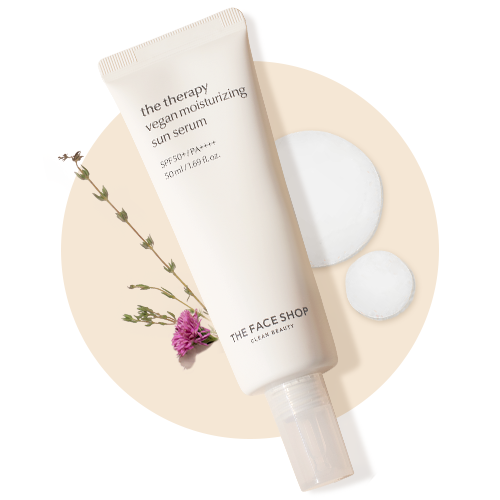
- Skipping sunscreen: Many actives increase sun sensitivity. Use a broad-spectrum SPF 30+ daily.
- Over-exfoliating: Using scrubs and acids together can damage your barrier. Limit exfoliation to 2-3 times a week.
- Not patch testing: Always test new actives on a small area for 48 hours before full use.
For a gentle, active-infused routine, explore the Herbday 365 collection from The Face Shop, which offers mild actives suitable for beginners.
9. How to Layer Actives Safely in India's Climate
Layering actives can boost results, but the order matters. A typical dermatologist-recommended routine for Indian skin:
- Cleanser (with or without actives, e.g., salicylic acid for oily skin)
- Toner (optional, hydrating)
- Serum (Vitamin C in the morning, niacinamide or alpha arbutin at night)
- Moisturiser (lightweight gel for humid weather, richer cream for dry skin)
- Sunscreen (SPF 30+ every morning)
Tip: Avoid using strong exfoliating acids (like AHA/BHA) with Vitamin C in the same routine. If in doubt, consult a dermatologist for a personalised plan.
10. When to See a Dermatologist: Limits of At-Home Actives
While most mild pigmentation and dullness can be improved with over-the-counter actives, some concerns - like deep melasma, cystic acne, or persistent irritation - require professional care. Dermatologists can prescribe stronger actives (like tretinoin or adapalene) and guide you on safe combinations. If you notice no improvement after 12 weeks of consistent use, or if your skin reacts badly, book a consultation. In India, many dermatologists now offer teleconsultations for convenience and privacy.
Key Takeaways: Your Path to Glowing Skin
- Actives like Vitamin C, niacinamide, and salicylic acid are proven to work for Indian skin concerns.
- Choose actives based on your skin type and main concern, not just trends or 'natural' claims.
- Introduce one active at a time, patch test, and always use sunscreen.
- Consult a dermatologist for stubborn or severe issues.
FAQ
Are natural ingredients safer than actives for Indian skin?
Not always. While some natural ingredients are gentle, many lack scientific evidence or can cause irritation. Dermatologist-recommended actives like Vitamin C and niacinamide are tested for safety and efficacy on Indian skin.
Can I use multiple actives together in my routine?
Yes, but introduce one at a time and avoid layering strong acids with Vitamin C. Always patch test and monitor for irritation. For beginners, stick to 1-2 actives per routine.
How long before I see results from actives?
Most actives show visible improvement in 6-12 weeks with consistent use. Pigmentation and acne may take longer. If you see no change after 12 weeks, consult a dermatologist.
Do I need to use sunscreen with actives?
Absolutely. Many actives increase sun sensitivity. Use a broad-spectrum SPF 30+ daily, even indoors, to protect your skin and enhance results.
What should I do if my skin reacts badly to an active?
Stop using the product immediately. Soothe with a gentle moisturiser and avoid other actives until your skin calms down. If irritation persists, see a dermatologist.