

We’ve all been there. You’re standing in the skincare aisle (or scrolling through Instagram at 2 AM), torn between a shiny, gold-plated jar of moisturizer that costs half your rent and a basic drugstore tub that smells like your grandmother’s vanity.
The Indian winter is tricky. One day it’s pleasant, and the next, the dry winds strip every ounce of moisture from your cheeks, leaving you with that dreaded flaky, ashy look. The quest for the best winter cream often feels like a battle between your wallet and your skin barrier.
Here is the truth: You don't always get what you pay for. Sometimes, you pay for marketing. Other times, you pay for a proprietary molecule. But if your goal is a hydrated, plump winter glow cream that works, the mid-range sweet spot often dominated by science-backed K-Beauty is where the magic happens.
The Science of Winter Hydration: What Are You Actually Paying For?
Before you splurge or skimp, it is crucial to understand what your skin actually craves when the temperature drops. A great moisturizer for winter needs to do three things:
- Humectants (The Magnets): Ingredients like Hyaluronic Acid and Glycerin draw water into the skin.
- Emollients (The Smoothers): Oils and butters that fill in micro-cracks caused by dryness.
- Occlusives (The Seal): A barrier that prevents that hydration from evaporating.
Budget Creams usually rely heavily on heavy occlusives (like petroleum jelly). They work, but they can feel greasy and clog pores.
Luxe Creams often boast rare botanical extracts. While lovely, a rare orchid extract doesn't necessarily hydrate better than well-formulated ceramides.
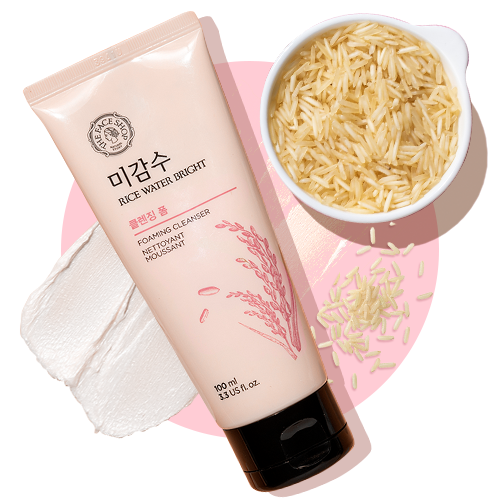
The Smart Choice: Look for a winter face cream that balances high-quality ingredients (like Rice Water, Ceramides, or Mango Seed Butter) with a price point that makes daily use sustainable.
High-End Results on a Smart Budget: What to Look For
When shopping for a cream for winter in the Indian market, ignore the price tag for a moment and flip the bottle to read the ingredients list.
1. Texture Matters
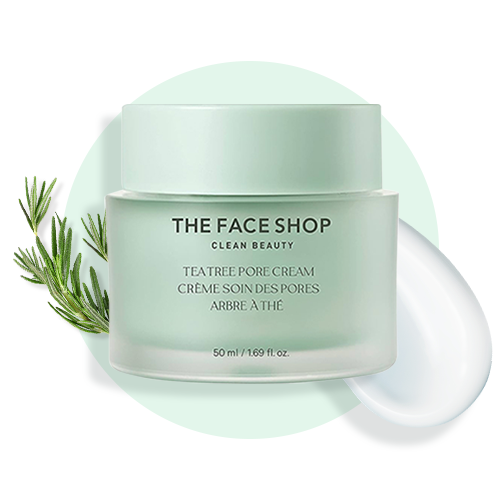
If you have oily skin, a heavy cold cream for face might cause breakouts. You need a formula that offers deep moisturizing cream benefits without the weight. Look for whipped textures or emulsion-based creams that absorb quickly but leave a protective layer.
2. The Anti-Aging Factor
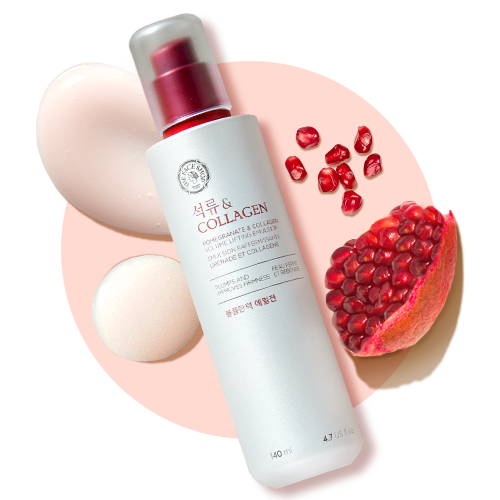
Winter dryness accelerates aging lines. While luxury brands charge a premium for this, you can find excellent collagen face cream options in the mid-range sector that plump up the skin and reduce the appearance of fine lines caused by dehydration.
3. Layering is Key
No cream can do it all alone. For that "glass skin" effect, your morning skincare routine should be strategic.
- Step 1: Cleanse gently.
- Step 2: Apply a hydrating toner.
- Step 3: Seal with your winter skincare cream.
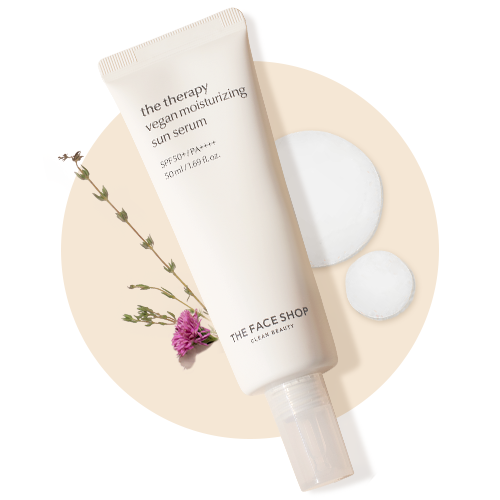
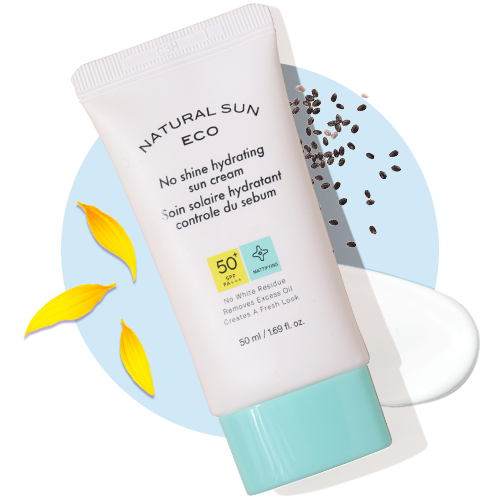
- Step 4: Never skip sun protection. Even in winter, UV rays are damaging. Finish with a hydrating tinted sunscreen to protect and even out your skin tone simultaneously.
Why K-Beauty Wins the Winter Game
Korean skincare has revolutionized the "Budget vs. Luxe" debate. They prioritize formulation over fancy glass jars. For example, products categorized under winter face cream often utilize fermentation technology and natural oils (like Rice and Mango) which penetrate deeper than traditional waxy cold creams found in local pharmacies.
This ensures that even if you have winter cream dry skin concerns, you get long-lasting hydration without the greasy aftermath.
Frequently Asked Questions (FAQs)
Q1: What is the difference between a moisturizer and a winter cream?
Answer: A standard moisturizer adds water to the skin, while a dedicated winter face cream contains a higher ratio of oils and occlusives to create a physical barrier against cold wind and dry indoor heating.
Q2: Can I use winter cream on oily skin?
Answer: Yes, but choose wisely. Avoid heavy waxes. Look for a hydrating face cream labeled as "non-comedogenic" or gel-cream textures that use squalane or ceramides instead of mineral oil.
Q3: Why does my skin still feel dry after applying cream?
Answer: You might be applying it on dry skin. Always apply your moisturizer for winter on slightly damp skin to lock in moisture. Additionally, you may need to exfoliate dead skin cells so the cream can penetrate properly.
Q4: Is expensive skincare always better for winter?
Answer: Not necessarily. Many affordable or mid-range products contain the same active ingredients (like Hyaluronic Acid or Niacinamide) as luxury brands. The key is formulation and absorption, not the price tag.