

Let’s address the elephant in the room: if you live in India and have oily skin, the idea of adding more moisture probably sounds like a nightmare. Between the Mumbai humidity, Delhi heat, and pollution, the last thing you want is a face that feels like a frying pan by noon.
However, here is a dermatological reality check: Oily skin is often dehydrated skin in disguise.
When your skin lacks water, it overcompensates by producing more oil. It’s a vicious cycle. The solution isn’t to strip your skin dry; it’s to repair the barrier so it holds water effectively. Enter the hero ingredient: Ceramides.
Why Oily Skin Craves Ceramides (Even in Humid Weather)
Think of your skin cells as bricks. Ceramides are the mortar that holds them together. When that mortar crumbles (due to harsh face washes, UV rays, or pollution), your skin barrier weakens.
For Indian skin types, which are prone to pigmentation and sensitivity, a damaged barrier leads to:
- Excessive sebum production (the "grease" factor).
- Acne bacteria penetrating easily.
- Redness and irritation.
Using a ceramide moisturizer India loves isn't about adding oil; it's about rebuilding that wall so moisture stays in and irritants stay out. This is true skin barrier repair.
The Rice Ceramide Advantage: Lightweight & Brightening
Not all ceramides are created equal. Heavy creams (often marketed as a moisturizer for dry skin) might clog pores if you are acne-prone. This is why we look toward K-Beauty innovations suited for Asian skin.
Rice Ceramides are a game-changer for oily skin because:
- Texture: They are often formulated in emulsions (lighter than creams).
- Brightening: Rice extract helps fade dark spots, a common concern alongside oiliness.
- Balance: They mimic the skin's natural lipids.
This is why we recommend the Rice Ceramide Moisturizing Emulsion as the best ceramide moisturizer for those scared of heaviness. It offers the hydration of a cream with the lightweight absorption of a serum.
How to Layer Ceramides in an Indian Skincare Routine
To avoid the "chip-chip" feeling, layering is key. Here is a routine optimized for the Indian climate:
Step 1: Deep Cleanse (Without Stripping)
Start with the "Double Cleanse" method to remove sunscreen and city pollution. Use a high-quality cleansing oil to dissolve sebum before using a water-based wash.
Step 2: Target Concerns
If you suffer from acne marks, apply a serum for pigmentation now. Ceramides will help seal this active ingredient in.
Step 3: The Moisture Seal
Apply a coin-sized amount of rice ceramide moisturizer. Gently pat it into the skin rather than rubbing. If you have combination skin, this works beautifully as a balanced moisturizer for oily skin in the T-zone and dry patches on the cheeks.
Step 4: Sun Protection
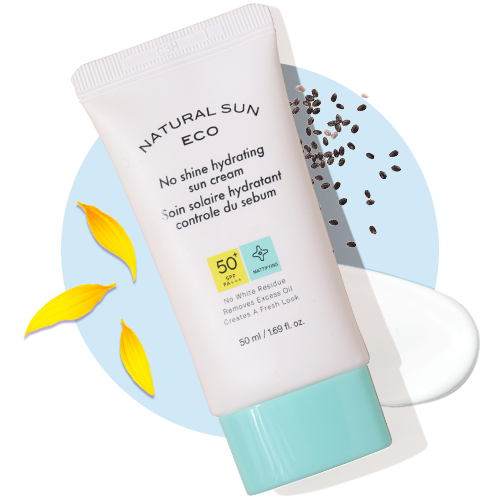
Never skip this. Finish with a matte or tinted sunscreen to protect that newly repaired barrier.
Frequently Asked Questions (FAQ)
Q: Will ceramide moisturizer cause breakouts on oily skin? A: No, provided you use the right texture. Avoid heavy balms. Opt for a ceramide moisturizing emulsion, which is water-based and lightweight, preventing pore clogging while healing the barrier.
Q: Can I use ceramides with Vitamin C or Salicylic Acid? A: Absolutely. Ceramides are "social" ingredients they play well with almost everything. In fact, using a ceramide cream India trusts can reduce the irritation caused by strong actives like retinol or AHAs.
Q: Is Rice Ceramide better than synthetic ceramides? A: Rice ceramides are plant-derived and compatible with human skin. They offer the added benefit of brightening dull skin, which is a common concern in India due to sun exposure.
Conclusion
Stop fighting your natural oils and start working with them. By incorporating a lightweight rice ceramide moisturizer into your routine, you signal to your skin that it is safe, hydrated, and protected eliminating the need for it to overproduce oil.