

If you have ever stood in the skincare aisle of a pharmacy in Mumbai or browsed online during a late-night scrolling session, you’ve likely faced the ultimate dilemma: Tea Tree or Salicylic Acid?
For anyone battling breakouts in India's humid climate, finding the best acne face wash is akin to finding a holy grail. Both ingredients are legendary in the skincare community, but they work in fundamentally different ways. Choosing the wrong one might irritate your skin further, while the right one can be the game-changer your routine needs.
In this guide, we break down the science, the benefits, and the verdict on which anti acne face wash deserves a spot on your bathroom shelf.
The Contender 1: Salicylic Acid (The Pore Purifier)
Salicylic Acid is a Beta Hydroxy Acid (BHA). Because it is oil-soluble, it doesn't just clean the surface of your skin; it penetrates deep into the pores to dissolve the sebum and dead skin cells that cause clogged pores.
Why it works for Indian Skin:
Given the pollution levels in cities like Delhi and Bangalore, our pores get clogged easily. Salicylic acid is a powerhouse for:
- Blackheads and Whiteheads: It dissolves the debris clogging the follicle.
- Oily Skin: It regulates oil production effectively.
- Exfoliation: It removes dead skin cells without physical scrubbing.
If you have oily, resilient skin with stubborn blackheads, a scientifically formulated face wash for pimples containing Salicylic Acid is often your best bet.
The Contender 2: Tea Tree Oil (Nature’s Antimicrobial)
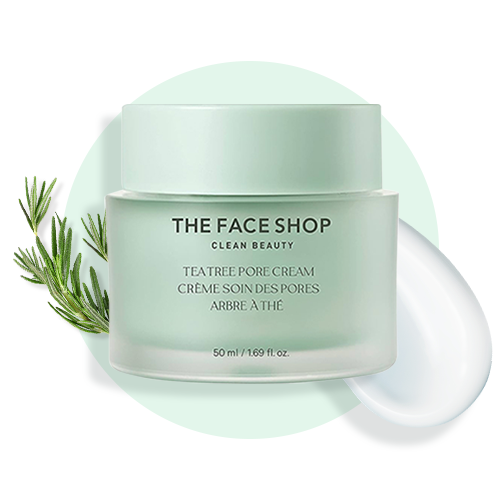
Tea tree oil is an essential oil derived from the Melaleuca alternifolia plant. It is famous for its natural antibacterial and anti-inflammatory properties.
Why it works for Sensitive Types:
For those who find acids too harsh, a natural acne face wash featuring tea tree helps by:
- Killing P. acnes bacteria: It targets the bacteria responsible for angry, red pimples.
- Soothing Inflammation: It reduces the redness and swelling associated with active acne.
- Gentle Cleansing: It cleanses without stripping the moisture barrier as aggressively as synthetic chemicals.
If you have red, inflamed pustules or sensitive skin that reacts poorly to strong acids, a tea tree face wash is the superior choice.
Comparison: Which One Should You Choose?
Here is a quick breakdown to help you decide:
| Feature | Salicylic Acid | Tea Tree Oil |
|---|---|---|
| Best For | Blackheads, Whiteheads, Oily Skin | Red Pimples, Inflammation, Sensitive Skin |
| Action | Deep pore exfoliation | Antibacterial & Soothing |
| Sensation | Can be drying | Refreshing (cooling sensation) |
| Skin Type | Oily/Combination | Sensitive/Acne-Prone |
Expert Skincare Routine for Acne-Prone Skin
Treating acne isn't just about the face wash; it is about the routine. Here is how to structure your regimen for maximum clarity.
Step 1: The Cleanse
Start with a dedicated face wash for acne prone skin. If you wear heavy makeup or sunscreen, consider double cleansing. Use a gentle oil-based makeup remover first to break down grime, followed by your water-based acne cleanser.
Step 2: The Treat
If you have active breakouts, spot treat them. If your skin feels tight after washing, your barrier might be compromised. In such cases, alternating with a face wash for sensitive skin in the mornings can help maintain balance.
Step 3: The Protect
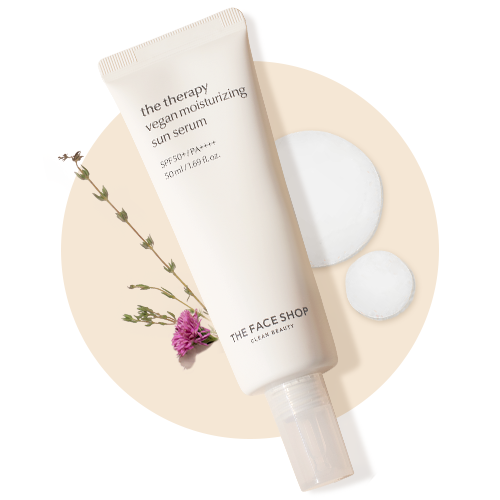
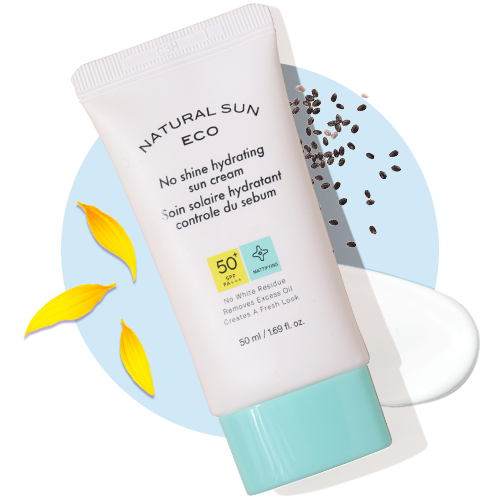
Never skip sunscreen, even if you have acne. UV rays can turn healing pimples into dark spots (hyperpigmentation). Opt for a tinted sunscreen which protects your skin while providing light coverage to conceal redness without clogging pores.
Frequently Asked Questions (FAQs)
1. Can I use Tea Tree and Salicylic Acid together?
Yes, but be careful. Using them simultaneously in high concentrations can cause dryness. Ideally, look for a face wash that balances a low percentage of both, or use a Salicylic acid cleanser and a Tea tree spot treatment.
2. Is a tea tree face wash better for hormonal acne?
Hormonal acne often manifests as deep, painful cysts along the jawline. While tea tree soothes the inflammation, you may need a stronger routine involving dermatologist-prescribed treatments. However, tea tree is excellent for maintenance.
3. Will acne face wash remove my dark spots?
Most acne washes focus on preventing active pimples. If you are struggling with post-acne marks, you might want to incorporate a specialized face wash for pigmentation into your night routine once the active acne has subsided.
4. How often should I wash my face if I have acne?
Twice a day is the gold standard, morning and night. Over-washing can strip natural oils, causing your skin to produce more oil to compensate, which leads to more breakouts.