

If you live in India, you know the struggle. One day it's the humid monsoon making you sticky, and the next, the dry winter air or air-conditioned offices are sucking every ounce of moisture from your cheeks. Dealing with dry skin often feels like a guessing game, and the internet is full of conflicting advice.
Does drinking 3 liters of water actually fix flaky skin? Is coconut oil a miracle cure? As we navigate the complex world of Indian skincare, it’s time to separate fact from fiction. Let’s bust the 7 most common myths about dry skin and look at what really works to keep your barrier intact and glowing.
Myth 1: "If You Have Dry Skin, You Just Need to Drink More Water"
The Reality: While drinking water is essential for overall health, it is not a direct shortcut to hydrated skin.
Dry skin is often a result of a compromised skin barrier the outer layer that holds moisture in. If this barrier is damaged (due to pollution, harsh soaps, or genetics), your skin cannot retain water, no matter how much you drink. To fix this, you need topical hydration. You need a moisturizer for dry skin that acts as a seal, locking moisture into the epidermis.
Myth 2: "You Only Need Moisturizer in Winter"
The Reality: Dry skin doesn't take a vacation during the summer.
In India, summer means air conditioning. AC units dehumidify the air, which in turn dehydrates your skin. Furthermore, sun exposure can damage your skin barrier, leading to moisture loss. A lightweight face moisturizer dry skin types can tolerate is essential year-round. Look for hydrating creams that absorb quickly without feeling heavy during the monsoon.
Myth 3: "Oily Skin Can't Be Dehydrated"
The Reality: This is one of the most damaging myths.
Skin type (dry vs. oily) is genetic, but skin condition (dehydrated) is temporary. You can have an oily T-zone but still suffer from tight, dehydrated cheeks. If you skip moisturizer because you fear grease, your skin might overcompensate by producing more oil.
If you struggle with combination issues, you might want to look into an oil-free moisturizer or a specific moisturizer for pimple prone skin for those zones, while using a richer cream on dry patches.
Myth 4: "Scrubbing Flaky Skin Makes It Smooth"
The Reality: Physical scrubbing can cause micro-tears in dry skin, leading to inflammation and even more dryness.
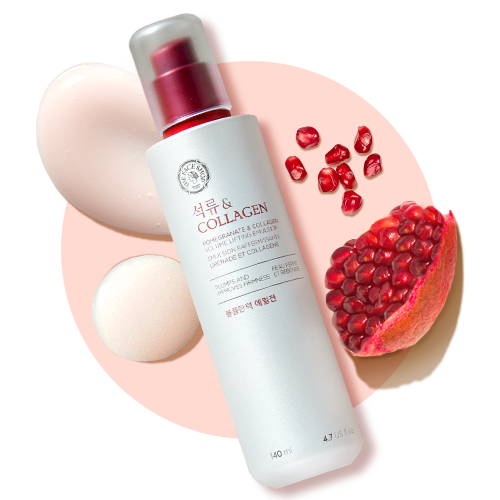
Instead of harsh scrubs, opt for gentle chemical exfoliation or hydrating toners that prep the skin. Using a product like the pomegranate firming toner can help gently refine texture and prepare your pores to absorb your moisturizing cream dry skin needs, without the abrasion of a scrub.
Myth 5: "Thick Creams Are Always Better"
The Reality: Thickness does not equal effectiveness.
Some thick creams just sit on top of the skin (occlusives) without actually adding hydration. The best moisturizer dry skin types can use is one that contains a balance of:
- Humectants: Like Hyaluronic Acid (pulls water in).
- Emollients: Like Ceramides (smooths the skin cells).
- Occlusives: To seal it all in.
Look for a scientifically formulated hydrating cream dry skin loves, rather than just the thickest butter you can find in the kitchen.
Myth 6: "Hot Water Opens Pores and Hydrates Skin"
The Reality: A steaming hot shower might feel good, but it strips your skin of its natural oils (sebum).
For dry skin sufferers, lukewarm water is your best friend. Immediately after washing your face, while your skin is still damp, apply your skincare. If you wear makeup, ensure you use a gentle makeup remover that doesn't strip your skin before you even start your routine.
Myth 7: "All Moisturizers Are Basically the Same"
The Reality: Ingredients matter immensely.
A ceramide moisturizer India specifically loves will rebuild the skin barrier, while a generic lotion might just smell nice. A hyaluronic moisturizer India needs will combat the specific environmental dehydration we face here. Using the right specific dry skin cream India ensures you aren't just masking dryness, but treating it.
The Golden Rules for an Indian Dry Skin Routine
- Cleanse Gently: Don't use stripping soaps.
- Layer Wisely: Toner -> Serum -> Moisturizer.
- Consistency: An effective am pm skincare routine is crucial. Don't skip nights!
- Night Care: Dry skin repairs itself at night. Consider adding an anti-aging night cream if you are seeing fine lines due to dryness.
Frequently Asked Questions (FAQs)
Q: What ingredients should I look for in a dry skin cream in India?
A: Look for Ceramides to repair the barrier, Hyaluronic Acid for deep hydration, and Glycerin. Avoid high alcohol content which can dry skin further.
Q: How often should I apply moisturizer for dry skin?
A: Twice daily is the standard once in the morning to protect and once at night to repair. If you are in AC all day, a midday touch-up with a lighter lotion or mist can help.
Q: Can dry skin cause acne?
A: Yes. When skin is dry, micro-cracks form allowing bacteria to enter. Also, dehydrated skin may overproduce oil to compensate, leading to clogged pores.
Q: Is oil better than cream for dry skin?
A: oils are occlusives (they seal moisture in) but they don't add moisture (water). For best results, use a hydrating cream first, and top it with oil if you have extremely dry skin.
Conclusion
Dry skin doesn't have to be a permanent sentence of flakiness and irritation. By busting these myths, we see that hydration is about smart ingredients and consistency, not just drinking water or scrubbing hard. Invest in a high-quality moisturizer for dry skin that contains the right blend of hydrators and barrier-repairing agents to keep your skin soft, supple, and glowing regardless of the weather.