

We have all been there. You stand in front of the mirror, meticulously applying your serum, moisturizer, and that crucial layer of SPF 50 anti-aging cream to your face. But just as you reach your jawline, you stop. You rinse your hands and head out the door.
Here is the uncomfortable truth: Your face might look 25, but your neck and hands could be telling a completely different story. In India, where UV index levels remain high throughout the year, the "forgotten zones", specifically the neck, décolletage, and the backs of your hands are often the first areas to show signs of premature aging.
Let’s deep dive into why these areas require just as much attention and how to choose the best anti-aging sunscreen for complete protection.
The Science of Neglect: Why the Neck Ages Faster
The skin on your neck is structurally different from the skin on your face. It is thinner, has fewer oil glands, and is constantly subjected to movement (looking down at phones, turning heads). This makes it significantly more prone to:
- Tech-Neck Wrinkles: Deep horizontal lines caused by posture and collagen breakdown.
- Poikiloderma: A condition common in India, characterized by reddish-brown pigmentation on the sides of the neck due to sun exposure.
- Sagging: Lack of structural support compared to the cheeks.
When you skip sunscreen for wrinkles on the neck, you accelerate these processes. The UV rays penetrate deep into the dermis, shattering the elastin fibers that keep the neck skin taut.
The "Scooty Hand" Phenomenon
Think about your daily commute. whether you are driving a car or riding a scooty, your hands are constantly exposed on the handlebars or steering wheel. They receive direct, unshaded UV radiation. This leads to "liver spots" (solar lentigines) and a crepey texture that screams premature aging.
How to Choose the Right Protection
Not all SPFs are created equal, especially for mature or aging skin. You need formulation that offers high protection without feeling heavy in the Indian humidity.
1. Look for Broad Spectrum & Skincare Ingredients
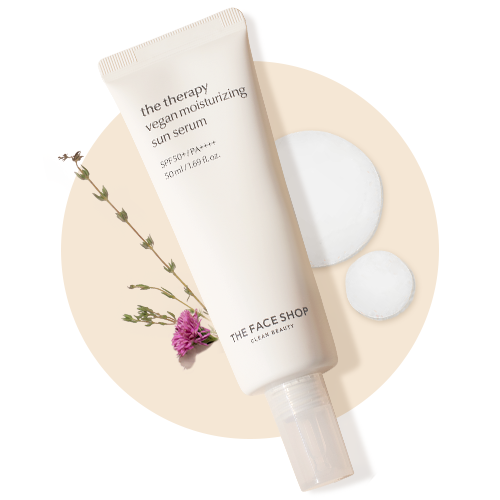
To combat fine lines, you need a sunscreen mature skin loves, one that hydrates while it protects. The Sunscreen for Anti Ageing is formulated specifically to tackle photo-aging. It doesn't just block UV rays; it often includes antioxidants that repair existing damage.
2. Texture Matters
Many people skip the neck because they hate the sticky feeling of sweat mixed with heavy cream. If you have oily skin or despise heavy layers, consider the Sunquid + Sunserum range. These liquid-based formulas absorb instantly, making them perfect for the neck and body.
3. Pre-Hydration is Key
Sunscreen sits better on well-hydrated skin. Before applying your SPF, ensure your skin barrier is healthy. A lightweight aqua moisturizer creates the perfect canvas, preventing the sunscreen from settling into neck lines.
Step-by-Step Application Guide for the Forgotten Zones
- The Neck: Apply your anti-ageing sun cream in upward strokes. Do not pull the skin down. Extend the application to the back of your neck (a common burn spot) and your ears.
- The Decolletage: If you are wearing a saree, kurta, or open-neck top, this area is highly exposed. Treat it as an extension of your face.
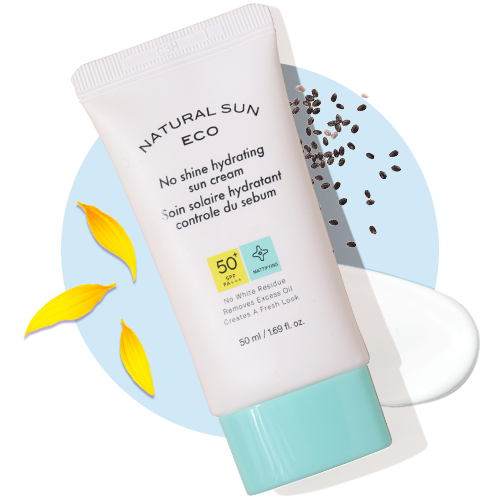
- The Hands: Keep a small tube of sunscreen fine lines fighter in your bag. Reapply specifically on the backs of your hands after washing them or before driving.
The Removal Routine
Remember, sunscreen designed to stick to your skin through sweat needs to be taken off properly to avoid clogged pores on the neck. Use a high-quality oil-based cleanser or makeup remover to break down the SPF filters at the end of the day.
Frequently Asked Questions (FAQ)
Q1: Can I use body lotion with SPF instead of facial sunscreen for my neck?
A: While better than nothing, body lotions often have lower SPF and lack the advanced anti-aging ingredients found in facial products. For the delicate neck area, we recommend using a dedicated anti-wrinkle sunscreen meant for the face.
Q2: How much sunscreen do I need for my neck?
A: A general rule of thumb is roughly half a teaspoon for the neck and décolletage area. Do not rely on leftover product from your face application; dispense a fresh amount.
Q3: Will anti-aging sunscreen really reduce existing wrinkles?
A: Sunscreen is primarily preventative, but by shielding the skin from further UV damage, you allow the skin's natural repair mechanisms to work more effectively. Over time, this can improve texture and tone.
Q4: My hands feel sticky after sunscreen. What should I do?
A: Look for "dry-touch" or serum-based formulas. Alternatively, apply the sunscreen to the backs of your hands and rub the backs together, keeping your palms free of product.