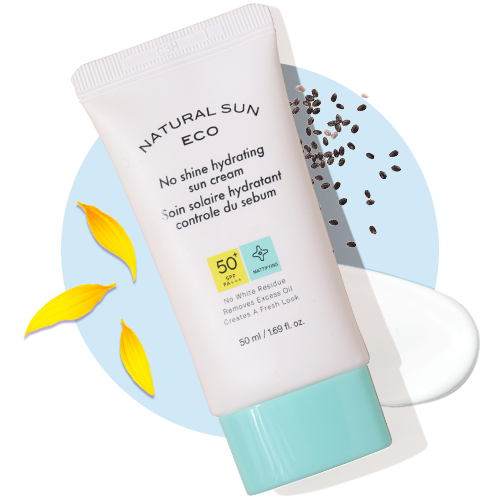


If you have ever felt your forehead shining like a disco ball by noon while your cheeks feel tight and flaky, welcome to the club. Managing combination skin in India’s humid climate is a unique struggle. Finding a sunscreen that respects this duality controlling oil in the T-zone without stripping moisture from the U-zone often feels impossible.
Most generic sunscreens are either too heavy, causing breakouts on your nose, or too drying, leaving your cheeks parched. But skipping SPF isn't an option, especially with our high UV index. This guide explores how to balance your skin and protect it effectively.
The Combination Skin Dilemma: Oily T-Zone vs. Dry U-Zone
Combination skin is characterized by an overproduction of sebum in the T-zone (forehead, nose, and chin) and a lack of moisture in the cheek area. In India, heat and humidity exacerbate the oiliness, while air conditioning often worsens the dry patches.
To manage this, you don't necessarily need two different products. You need a formula that is intelligent enough to hydrate where needed and mattify where necessary.
What to Look for in a Sunscreen for Combo Skin
When shopping for the best sunscreen combination skin needs, look for these non-negotiables:
- Texture Matters: Opt for gel-based, water-gel, or milk consistencies. These absorb quickly and don't leave a greasy residue.
- Finish: A matte sunscreen India loves is essential. It prevents that midday shine on the forehead.
- Hydration: Ingredients like Hyaluronic acid or Chia seed extract ensure your dry patches stay comfortable.
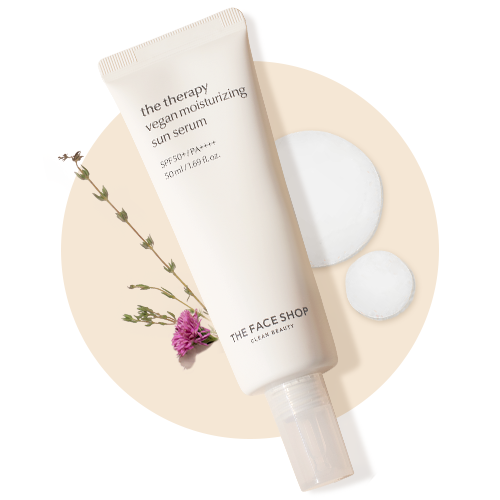
- Broad Spectrum Protection: Ensure it is sunscreen SPF 50 India standard (PA+++ or PA++++) to guard against harsh UVA and UVB rays.
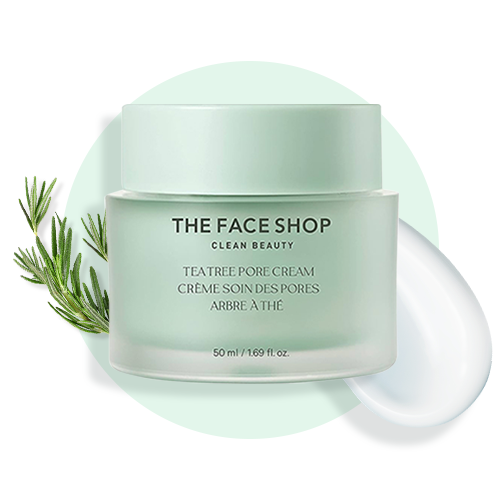
For a curated selection of products designed specifically to balance these needs, explore these specialized solutions for combination skin types. They offer the lightweight protection required to prevent clogged pores while maintaining skin health.
Ingredients: The Good and The Bad
Look For:
- Niacinamide: Helps regulate oil production and minimize pores.
- Chia Seed/Bamboo Extract: Provides lightweight hydration.
- Silica: often used in non-greasy sunscreen combo formulations to absorb excess oil.
Avoid:
- Heavy Oils: Coconut oil or cocoa butter can be too heavy for your T-zone.
- Alcohol Denat: While it dries matte, it can irritate dry cheeks over time.
Routine: Layering for Balance
Getting your SPF right is also about what goes on before it. A solid AM PM skincare routine sets the canvas.
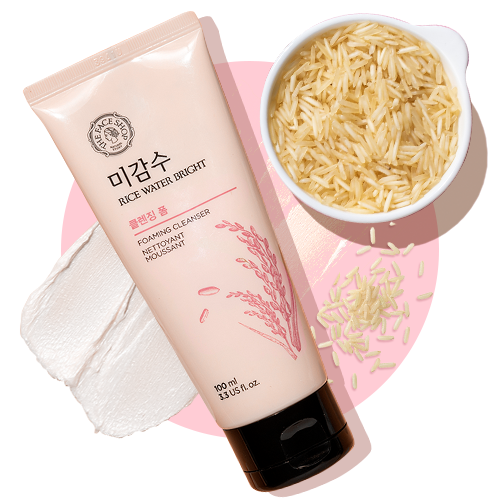
- Cleanse: Use a gentle foaming cleanser.
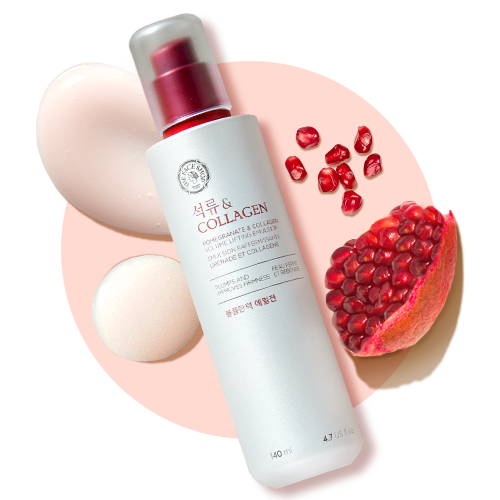
- Targeted Moisturizing: If your cheeks are very dry, apply a lightweight face cream for women on the U-zone before applying sunscreen. This creates a barrier against dryness without overloading your T-zone.
- Protect: Apply two fingers worth of gel sunscreen combination formulas to your face and neck.
FAQ: Sunscreen for Combination Skin in India
1. Is gel or cream sunscreen better for combination skin?
Gel or water-based lotions are generally superior. They hydrate the dry areas without adding grease to the oily T-zone.
2. How often should I reapply sunscreen if I have oily skin?
Every 2-3 hours. If you are wearing makeup, use a powder SPF or a spray to touch up without disturbing your base.
3. Will SPF 50 clog my pores?
Not if you choose a non-comedogenic formula. High SPF refers to protection level, not texture thickness. Look for lightweight, fluid formulas.
4. Can I skip moisturizer if my sunscreen is hydrating?
Yes, during the humid Indian summers, a hydrating sunscreen can often double as a moisturizer for combination skin.
Conclusion
Balancing an oily T-zone and dry cheeks doesn't require a degree in chemistry; it just requires the right textures. By choosing a sunscreen for combo skin that offers a matte finish with underlying hydration, you can protect your skin from the harsh Indian sun without compromising on comfort.