

If you live in India, you know the struggle. One minute you are dealing with the humidity of Mumbai, and the next, the dry heat of Delhi or the AC-blasted air of your office is sucking the moisture right out of your face. For those of us with dry skin, the wrong face wash can feel like a punishment leaving our skin feeling tight, itchy, and looking like parchment paper.
The age-old debate in the skincare community remains: Cream vs. Gel. Which texture actually serves as the best face wash for dry skin without stripping away your natural oils? Let’s break down the science, the textures, and the verdict.
The “Squeaky Clean” Myth
First, let’s address a common misconception. Many of us grew up believing that if your skin doesn't feel "squeaky" after washing, it isn't clean. This is the worst philosophy for dry skin. That squeak is actually the sound of your moisture barrier crying for help. A hydrating face wash for dry skin should leave your face feeling soft and supple, not tight.
Gel Cleansers: The Deep Cleanse?
What are they? Gel cleansers are typically water-based with a jelly-like consistency. They are famous for deep cleansing and unclogging pores.
The Pros:
- Excellent at removing excess sebum and bacteria.
- Often provide a refreshing, cooling sensation.
The Cons for Dry Skin:
- Many traditional gel cleansers use harsh sulfates (SLS) to create foam, which can be drying.
- However, modern Korean face wash for dry skin formulations often use gentle, low-pH gel textures that clean without stripping.
Cream Cleansers: The Comfort Blanket?
What are they? Cream cleansers (or milk cleansers) have a lush, thick texture. They are usually formulated with emollients and oils.
The Pros:
- They cleanse while simultaneously moisturizing.
- They protect the skin's natural lipid barrier.
- Ideal for removing makeup gently.
The Cons:
- If not formulated well, they can feel heavy or leave a residue.
The Verdict: Which is the Best Face Wash for Dry Skin?
Generally speaking, cream cleansers are the safer bet for chronic dry skin, especially during Indian winters. However, the line is blurring. The K-Beauty industry has revolutionized gels to be incredibly hydrating.
If you are looking for a face wash for dry skin, look for ingredients rather than just texture. Key ingredients to seek out include:
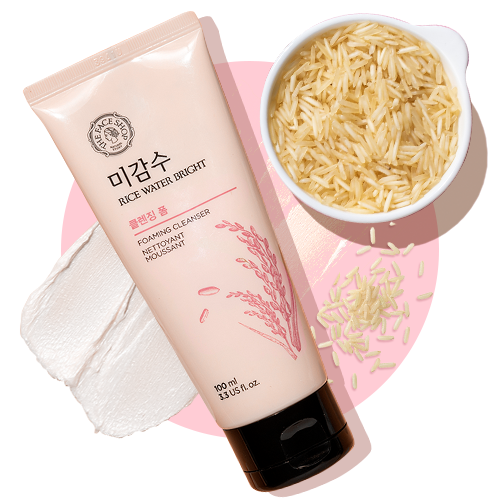
- Rice Water: Brightens and hydrates.
- Ceramides: Rebuilds the skin barrier.
- Mango Seed Butter: Provides intense nourishment.
If your skin is incredibly reactive, you might want to specifically look for a face wash for sensitive skin which often leans towards creamy, fragrance-free formulations.
Building a Routine That Locks in Moisture
Choosing the right face cleanser for dry skin is step one, but how you use it matters just as much.
1. The Double Cleanse (PM Routine)
If you wear makeup or heavy sunscreen, a single wash won't cut it. Start with an oil-based cleanser or a dedicated makeup remover. Follow this up with your gentle water-based cleanser. This ensures you aren't scrubbing your face harshly to get the grime off.
2. Don't Skip the Sunscreen
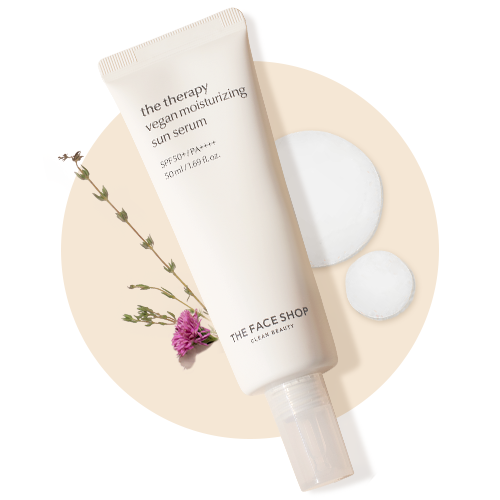
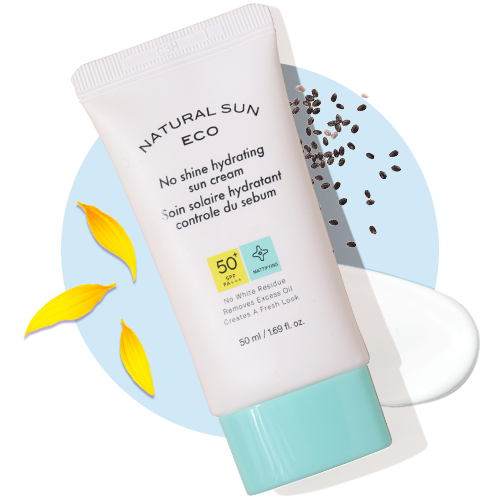
Even dry skin needs sun protection. However, matte sunscreens can be drying. Opt for a moisturizing or tinted sunscreen that acts as a hybrid between skincare and makeup, adding an extra layer of hydration while protecting you from UV rays.
3. Consistency is Key
Whether you are building a simple regimen or a complex AM PM skincare routine, using your cleanser twice a day is standard. However, if your skin is extremely dry, you might skip the morning cleanse and just rinse with water, saving the gentle face wash for dry skin for your night routine.
FAQ: Common Questions About Dry Skin Cleansing
Q1: Can I use a gel cleanser if I have dry skin? A: Yes, but be choosy. Look for a hydrating face wash for dry skin in a gel format that is sulfate-free and low-pH. Avoid anything that smells heavily of alcohol.
Q2: How do I know if my face wash is too harsh? A: If your skin feels tight, looks red, or feels itchy immediately after towel-drying, your cleanser is stripping your barrier. You need to switch to a milder face cleanser for dry skin.
Q3: Is foaming face wash bad for dry skin? A: Traditionally, yes. Heavy foam usually means harsh surfactants. However, many modern Korean face wash for dry skin products use amino acids to create a gentle, non-stripping foam.
Q4: Should I wash my face with hot water in winter? A: Absolutely not. Hot water strips natural oils faster than anything else. Use lukewarm water alongside your best face wash for dry skin to maintain hydration.
Conclusion
For dry skin warriors, the battle is won by preserving the moisture barrier. While cream cleansers are the traditional champion for hydration, don't rule out advanced gel formulations. The goal is a gentle face wash for dry skin that leaves you soft, not squeaky. Listen to your skin, if it feels tight, it's time to switch.