

If you live in India, you know the struggle: one pimple appears, it leaves, but the dark spot stays for months. Between our melanin-rich skin, the harsh tropical sun, and urban pollution, hyperpigmentation is one of the most common skincare concerns in the country. While we all love our dadi ke nuskhe (grandmother's remedies), sometimes stubborn spots require science-backed solutions.
Enter the pigmentation serum, a concentrated elixir designed to fade spots and even out skin tone. But simply buying the best bottle isn't enough; how you apply it defines the results. Here is your expert-backed guide to mastering the art of the pigmentation corrector serum.
What is a Pigmentation Serum?
A pigmentation serum is a lightweight, fast-absorbing liquid packed with active ingredients like Vitamin C, Niacinamide, or Alpha Arbutin. Unlike heavy creams that sit on the surface, these serums penetrate deeper layers of the epidermis to inhibit melanin production.
Why Indian Skin Needs Specific Care
Indian skin is more prone to PIH (Post-Inflammatory Hyperpigmentation). This means any inflammation, be it acne, a bug bite, or a scratch triggers an overproduction of melanin. A dedicated serum for dark spots doesn't just fade existing marks; it helps prevent new ones from deepening.
Step-by-Step Routine: How to Apply Your Serum
To get the most out of your anti pigmentation serum, layering is key. Follow this order for maximum absorption:
Step 1: Start with a Blank Canvas
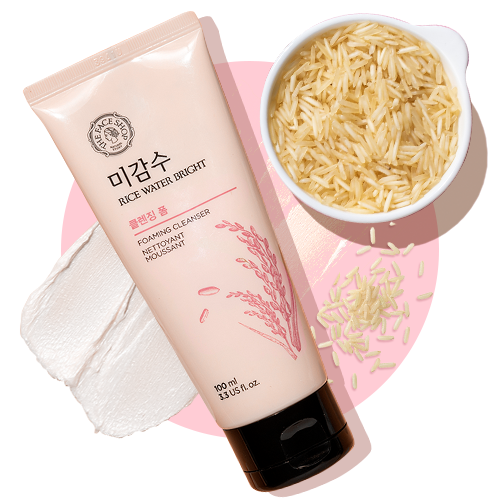
Active ingredients struggle to penetrate oily or dirty skin. Start with a thorough cleanse. If you wear makeup or sunscreen, consider using a deep cleanser to break down impurities without stripping natural oils. This prepares your pores to drink up the serum.
Step 2: The Application Technique
Once your skin is clean and slightly damp (or toned), it is time for the star of the show.
- Dispense Correctly: Take 3-4 drops of your serum for pigmentation on your palm or directly onto your cheeks (avoid letting the dropper touch your skin to maintain hygiene).
- Pat, Don't Rub: Rubbing can cause friction and irritation. Instead, gently press and pat the serum into your face and neck.
- Target Areas: If you are using a specific melasma serum or spot corrector, you can apply a tiny extra dot directly onto the stubborn dark patches.
Step 3: Lock It In
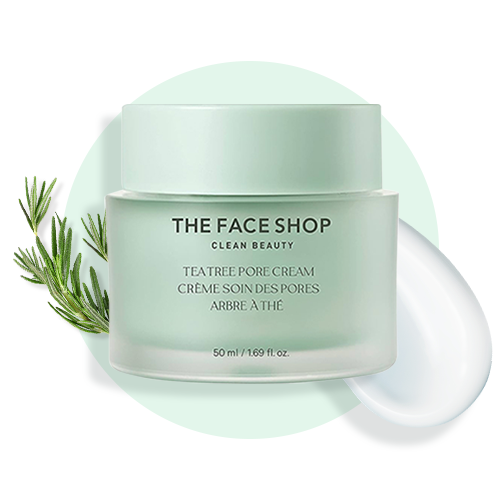
Serums are potent but volatile. You must seal them in with a moisturizer. For the humid Indian climate, a heavy cream might feel sticky. Opt for a lightweight aqua moisturizer that hydrates deeply without clogging pores. This barrier ensures the active ingredients work undisturbed.
Step 4: The Non-Negotiable Shield
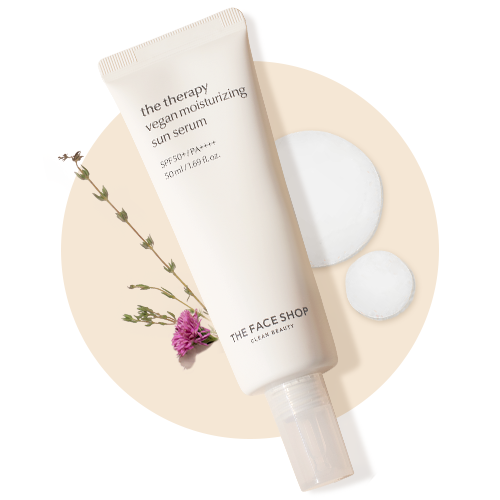
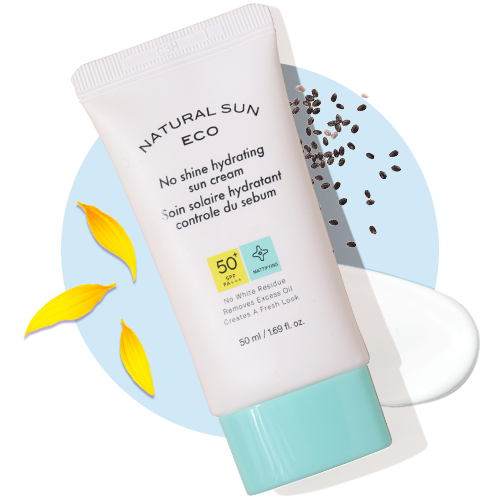
Using a pigmentation corrector serum without sunscreen is like brushing your teeth while eating Oreos. UV rays stimulate melanin. If you don't wear SPF 50+, the spots you are trying to fade will simply darken again.
Customizing Your Routine
Not all skins are the same, and you might need to mix and match based on your concerns:
- For Mature Skin: If you are tackling fine lines alongside spots, you can alternate your routine. Use a hyperigmentation serum in the morning and a serum for anti ageing with retinol at night.
- For Acne-Prone Skin: If you have active breakouts, ensure your routine remains non-comedogenic. Look for water-based formulations that won't aggravate acne.
Frequently Asked Questions (FAQs)
1. How long does it take for a pigmentation serum to work?
Consistency is vital. With daily use of a quality best pigmentation serum, you can expect to see visible brightening in 4 to 8 weeks. Deeper issues like melasma may take 3 to 6 months.
2. Can I use a skin brightening serum every day?
Yes, most brightening serums containing Niacinamide or Vitamin C are safe for daily use. However, always do a patch test first.
3. Should I apply serum on wet or dry skin?
Ideally, apply it on damp skin (not dripping wet). Damp skin is more permeable, allowing the serum for dark spots to absorb better.
4. Can I layer this with other actives?
Be careful mixing high-strength actives. If you are using strong acids (AHAs/BHAs), it is often safer to use them on alternate nights to avoid barrier damage.
Conclusion
Achieving flawless skin isn't a miracle; it's a method. By incorporating a specialized serum for pigmentation into your daily regimen and protecting your skin from the sun, you can effectively reverse damage and reveal a radiant glow.