

If you live in India, you know the struggle: humidity hits, pollution rises, and suddenly your T-zone looks like a shiny disco ball while your cheeks feel strangely tight. For those of us battling acne or excessive oil, the skincare aisle poses a massive dilemma: Cream or Moisturizer?
When you throw a potent ingredient like Tea Tree into the mix, the choice becomes even more critical. Tea tree is a holy grail for clarity, but choosing the wrong vehicle (a heavy cream vs. a light lotion) can make or break your skin goals.
Let’s break down the science of hydration and find the perfect match for your skin.
The Core Difference: Cream vs. Moisturizer
While the terms are often used interchangeably, in the world of K-Beauty and dermatology, the difference lies in the oil-to-water ratio.
- Moisturizers (Lotions/Emulsions): These have a higher water content. They are lightweight, absorb instantly, and are designed to hydrate the skin without clogging pores. They are ideal for locking in a Tea Tree Serum without adding weight.
- Creams: These have a higher oil content and a thicker consistency. They create a stronger barrier to prevent moisture loss (TEWL).
Why Tea Tree is Non-Negotiable for Indian Skin
Before we decide on the texture, we must acknowledge the ingredient. Tea Tree Oil is nature’s answer to bacteria. It is anti-inflammatory and antimicrobial, making Tea Tree for Acne the gold standard treatment.
However, Tea Tree can be drying if used alone. This is why it must be formulated into a hydrating vehicle—either a cream or a moisturizer.
The Verdict: Which One Should You Choose?
1. For Oily & Acne-Prone Skin: The Lightweight Moisturizer
If you have Tea Tree Oily Skin concerns, heavy occlusives are your enemy. You need hydration that sinks in and mattifies.
A lightweight Tea Tree Moisturizer works best here. It pairs perfectly with a routine that starts with a purifying Tea Tree Face Wash. The goal is to balance sebum production, not smother it.
2. For Combination & Dehydrated Skin: The Soothing Cream
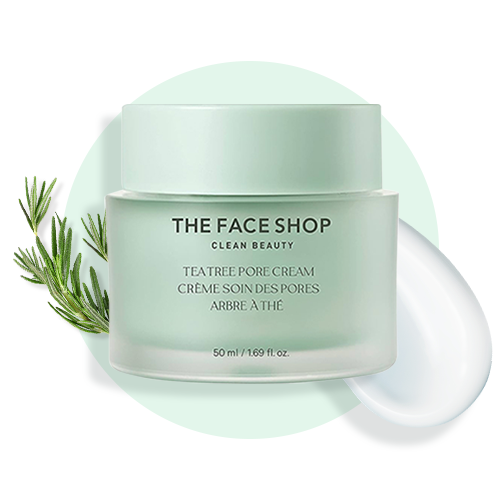
Yes, you can have acne and dry skin simultaneously (often caused by over-exfoliating). In this case, a gel-based or light Tea Tree Cream is superior. It seals in moisture over dry patches while treating active breakouts.
Pro Tip: If your skin barrier feels compromised, you might want to layer your tea tree product with a barrier-repairing agent. For instance, using a niacinamide moisturizer at night can work synergistically to reduce inflammation alongside tea tree.
Building Your Tea Tree Routine (Step-by-Step)
To maximize efficacy, layering is key. Here is a dermatologist-approved order of application:
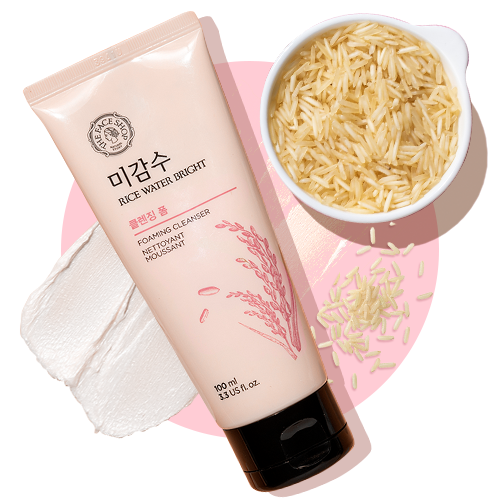
- Cleanse: Remove impurities with a gentle Tea Tree Face Wash.
- Prep: Balance your pH with a Tea Tree Toner. This ensures the next steps absorb deeper.
- Treat: Apply a few drops of Tea Tree Serum on active acne or congested areas.
-
Hydrate:
- Day: Apply your lightweight Tea Tree moisturizer.
- Night: If you need extra care, switch to a slightly richer cream.
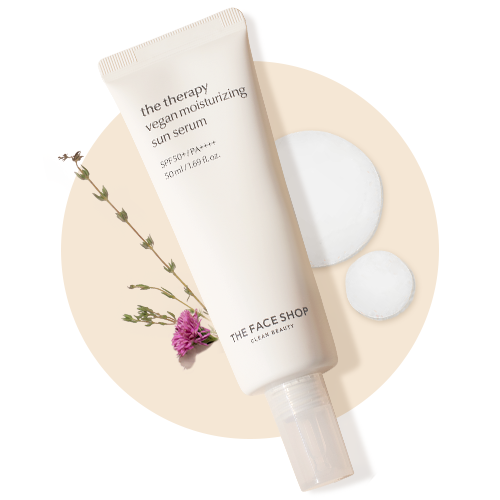
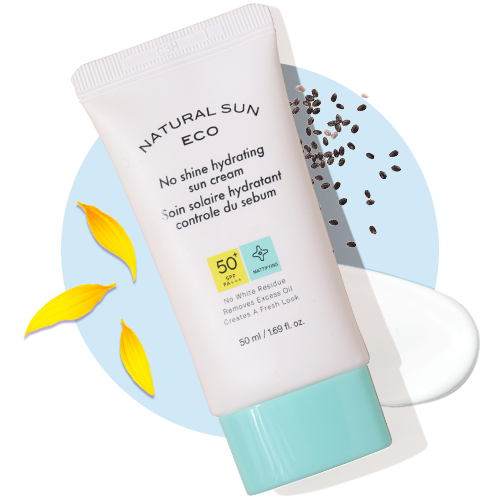
- Protect: Never skip SPF. A lightweight option like Natural Sun Eco is vital to prevent post-acne dark spots.
Expert Insight: "Many patients skip moisturizer because they have oily skin. This is a mistake. When you starve oily skin of water, it compensates by producing even more oil. A tea tree-infused lotion stops this cycle."
Finding the Right Products
Don't guess with your skin. The Tea Tree Range by The Face Shop offers formulated solutions that balance the potency of tea tree oil with soothing hydration, specifically designed for tricky skin types.
Frequently Asked Questions (FAQs)
1. Can I use Tea Tree Cream every day?
Yes, provided it is formulated for daily use. If it contains pure essential oil, ensure it is diluted. Products like the Face Shop Tea Tree range are balanced for daily application without irritation.
2. Should I use Tea Tree oil before or after moisturizer?
If you are using a spot treatment oil, apply it after a light moisturizer to prevent it from spreading too much, or mix a drop into your cream. If you use a Tea Tree Serum, apply it before your moisturizer.
3. Is Tea Tree good for dry acne-prone skin?
Absolutely. However, avoid harsh astringents. Look for a Tea Tree Cream that contains soothing agents (like aloe or hyaluronic acid) to counter potential dryness.
4. Can I use Vitamin C with Tea Tree?
It is generally safe, but can be sensitizing for some. It is better to use Vitamin C in the morning and your Tea Tree regimen at night, or alternate days.