

We have all been there: staring at a stubborn acne scar or a patch of sun damage in the mirror, wondering why that expensive bottle of dark spot serum isn't working its magic. In a country like India, where high UV index and pollution are daily realities, hyperpigmentation is one of the most common skincare concerns. But often, the problem isn't the product it's how we are using it.
If you are diligently applying your face pigmentation serum but seeing zero results, you might be falling into a few common traps. Let’s decode the mistakes standing between you and radiant, even-toned skin.
Mistake #1: Skipping Sunscreen (The Cardinal Sin)
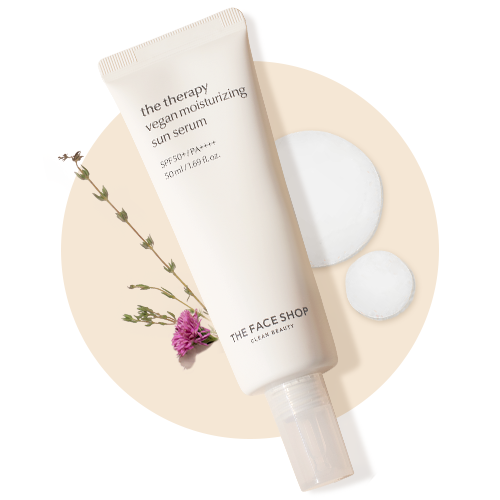
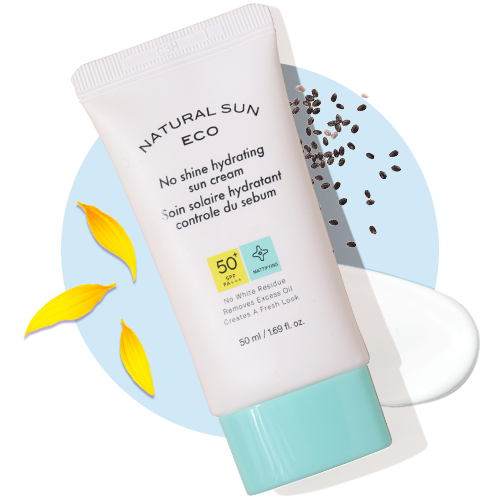
You can use the most potent anti pigmentation serum on the market, but if you aren't protecting your skin from the sun, you are pouring water into a bucket with a hole in it. UV rays stimulate melanin production, which darkens existing spots and creates new ones.
The Fix: Apply a broad-spectrum sunscreen every single morning. For Indian skin tones that are prone to white casts, a tinted sunscreen is a game-changer. It offers protection while blurring imperfections, creating the perfect canvas for your skincare to work.
Mistake #2: Applying Serum on Dirty or Uncleansed Skin
serums are concentrated treatments. For them to penetrate deep into the epidermis, your pores must be free of oil, dirt, and makeup. If you apply a skin brightening serum over a layer of day-old foundation, it will just sit on the surface.
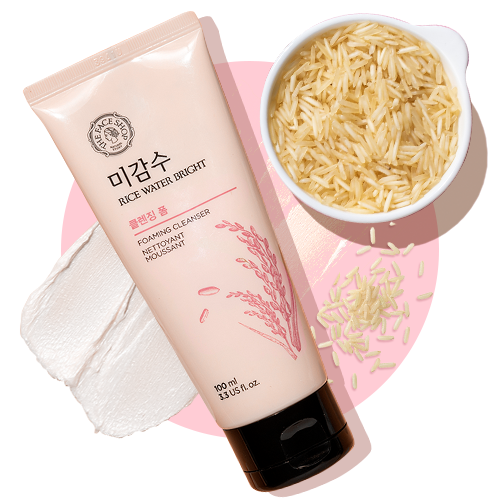
The Fix: Embrace the double cleanse method in the evenings. Start with an oil-based makeup remover to dissolve grime, followed by a gentle water-based cleanser. This ensures your hyperpigmentation serum absorbs fully.
Mistake #3: Ignoring Hydration
Many potent actives used in pigmentation treatments (like Retinol or Kojic Acid) can be drying. If your skin barrier is compromised, inflammation increases, which can actually trigger more pigmentation (a condition known as PIH). You cannot treat dark spots on dehydrated skin.
The Fix: Always follow up your treatment with a nourishing moisturizer. If you have parched skin, pair your treatment with a moisturizer for dry skin to lock in the actives and soothe the barrier.
Mistake #4: Giving Up Too Soon
Unlike hydration, which can be instant, fading pigment takes time. The skin cycle is roughly 28 days, and deep-set pigment (like melasma) resides in deeper layers. Expecting overnight results from a melasma serum sets you up for disappointment.
The Fix: Consistency is key. Use your serum for pigmentation twice daily for at least 6 to 8 weeks before judging its efficacy. Look for ingredients like Niacinamide, Vitamin C, and 4-Butylresorcinol for the best results.
How to Choose the Right Ingredients
Not all serums are created equal. When shopping for a face pigmentation serum, look for these powerhouses:
- Niacinamide: excellent for calming inflammation and stopping pigment transfer. A niacinamide serum pigmentation treatment is gentle enough for daily use.
- Vitamin C: Brightens overall skin tone.
- Alpha Arbutin: A safe alternative to hydroquinone that targets dark spots directly.
Frequently Asked Questions (FAQ)
1. Can I use Vitamin C and Niacinamide together for pigmentation?
Yes, modern formulations allow you to layer them. However, for sensitive skin, it is often better to use Vitamin C in the morning (under sunscreen) and a niacinamide serum pigmentation treatment at night.
2. How long does it take for an anti pigmentation serum to show results?
Typically, you will see a brightening effect within 2-4 weeks, but significant fading of dark spots usually takes 8-12 weeks of consistent use.
3. Is a dark spot serum different from a general brightening serum?
Ideally, yes. A general skin brightening serum targets overall dullness (glow), while a dedicated dark spot serum contains concentrated inhibitors to target specific localized melanin clusters.
4. Can I use these serums if I have acne?
Yes, many pigmentation serums, especially those with Niacinamide, also help regulate oil and reduce acne. Just ensure the formula is non-comedogenic.