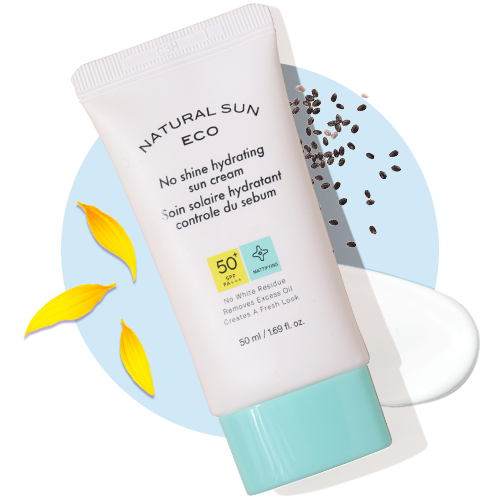


Acne is a universal struggle, but dealing with it in India brings a unique set of challenges. Between the scorching summer heat, the humidity of the monsoons, and rising city pollution, our skin barrier often takes a beating. Many of us fall into the trap of over-washing or scrubbing our faces raw in hopes of a "squeaky clean" feeling. However, dermatology experts agree: the secret isn't in the scrubbing; it's in the chemistry.
Selecting the best acne cleanser isn't about picking the strongest product on the shelf it's about understanding the ingredients list. Let’s decode the science behind the bottle and find out what your skin actually needs.
The Science of Suds: Key Ingredients to Look For
When shopping for an acne face wash, ignoring the ingredient label is a rookie mistake. Effective cleansers don't just wash away dirt; they treat the pores. Here are the powerhouse ingredients you need to know:
1. Salicylic Acid (The Gold Standard)
If you have oily or congestion-prone skin, a salicylic acid face wash is non-negotiable. As a Beta Hydroxy Acid (BHA), it is oil-soluble, meaning it penetrates deep into the pores to dissolve sebum and dead skin cells that cause blockages.
2. Tea Tree Oil
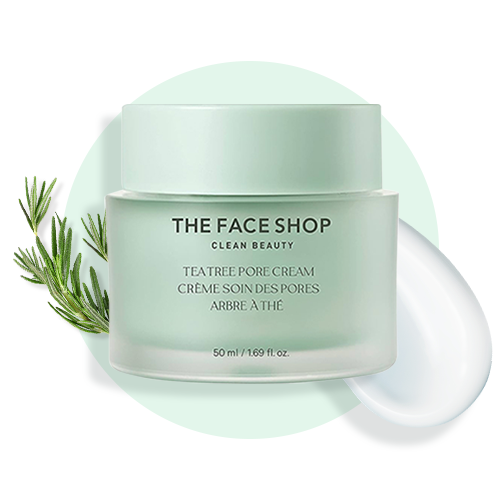
Nature’s answer to bacteria. Tea tree oil possesses natural antimicrobial properties that help reduce P. acnes bacteria without the harshness of synthetic chemicals. It is a staple in many effective pimple clear face wash formulations.
3. Amino Acids
While acids treat, amino acids protect. They help maintain the skin's hydration levels during cleansing, ensuring that your anti-acne face wash doesn't strip your moisture barrier a common cause of rebound oiliness.
The Routine: How to Wash Without Stripping
Even the right product can fail if used incorrectly. Here is a dermatologist-approved approach to cleansing:
- The Double Cleanse: In the evenings, especially if you wear sunscreen or makeup, a single wash isn't enough. Start with a dedicated cleansing oil to melt away oil-based impurities. This ensures your pores are prepped for treatment.
- The Treatment Wash: Follow up with your water-based cleanser for acne prone skin. Massage it gently for 60 seconds to let the active ingredients work.
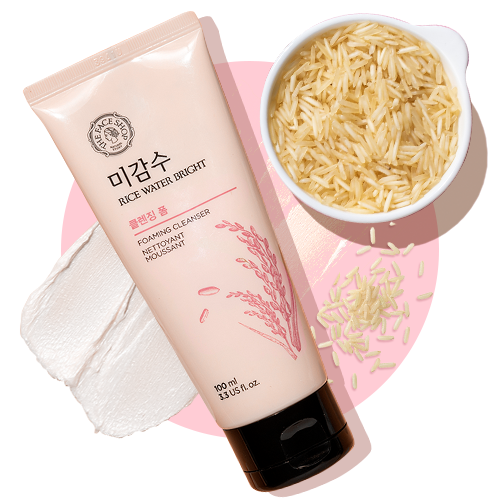
- Repair and Seal: After patting dry, do not skip moisturizer. Oily skin needs hydration too! Opt for ceramide rice moisturizers to repair the barrier and lock in hydration without clogging pores.
Why "Gentle" is the New Strong
A common myth is that an oily skin face wash needs to sting to work. In reality, harsh sulfates damage the acid mantle, leading to inflammation and more acne. An effective acne prone cleanser balances pH levels while removing excess oil. Look for formulations that foam gently and leave the skin feeling soft, not tight.
Frequently Asked Questions (FAQs)
Q1: Can I use a salicylic acid face wash every day?
Answer: Yes, for most oily skin types, it is safe for daily use. However, if you have sensitive skin, start by using it once a day (preferably at night) to build tolerance.
Q2: Is a foaming cleanser better for acne?
Answer: Generally, yes. Foaming cleansers are effective at lifting oil and debris from the skin surface. However, ensure they are sulfate-free to avoid irritation.
Q3: Should I wash my face more than twice if I have acne?
Answer: No. Washing more than twice a day (morning and night) can strip the skin, signaling the sebaceous glands to produce even more oil. Stick to a consistent AM/PM routine.
Q4: How long does it take to see results from a new acne cleanser?
Answer: Skin cycles take about 28 days. You may see a reduction in oiliness immediately, but visible reduction in acne typically takes 4 to 6 weeks of consistent use.