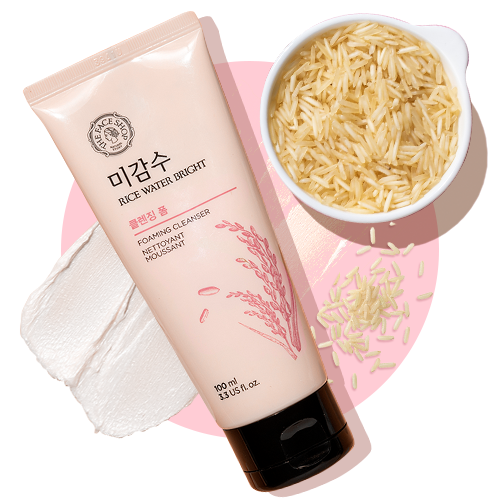
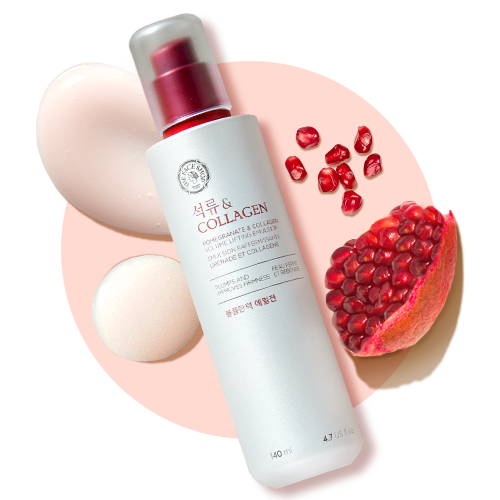
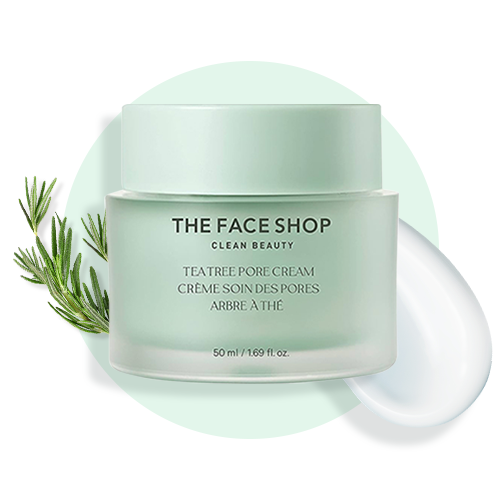
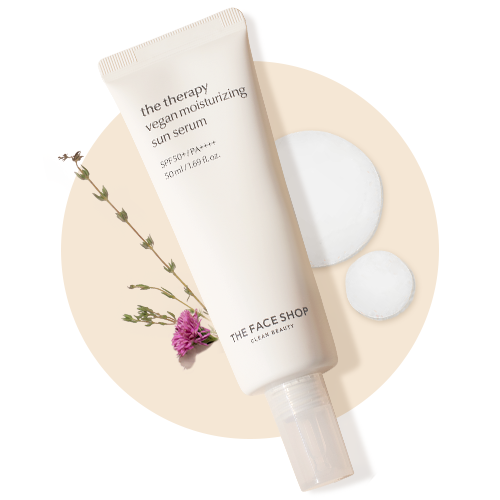


It is a frustrating scenario many of us in India know too well: You wake up, look in the mirror, and see a new breakout. Naturally, you reach for your trusty pimple clear face wash and scrub away, hoping to wash the acne down the drain. But a week later, your skin is redder, more irritated, and the breakouts haven’t budged.
Here is the hard truth: Sometimes, the very product you are using to fight acne is the one fueling the fire.
Acne isn't just about dirt; it’s about inflammation, bacteria, and the delicate balance of your skin barrier. In our humid Indian climate, combined with pollution, it is easy to make mistakes in our cleansing routine. As a skincare consultant, I often see clients inadvertently damaging their skin barrier with harsh products.
If you are ready to stop the cycle, here are the 5 common face wash mistakes to avoid and how to fix them.
Mistake #1: Using a Cleanser That Strips Your Barrier
Many generic anti-acne face wash products are loaded with high concentrations of sulfates (SLS). While they give you that "squeaky clean" feeling, they are actually stripping away your skin's natural oils.
When you strip your skin, your sebaceous glands go into panic mode and overproduce oil to compensate. This results in an even oilier T-zone and more clogged pores.
The Fix: Switch to a gentle, pH-balanced cleanser for acne prone skin. Look for formulas that clean without leaving your face feeling tight or dry.
Mistake #2: Not Double Cleansing in the Evenings
If you wear sunscreen (which you should!) or makeup, a water-based acne face wash alone might not cut it. Sunscreen is designed to stick to your skin, and leftover residue can clog pores overnight.
The Fix: Adopt the double cleansing method. Start with a dedicated cleansing oil to break down oil-based impurities like SPF and sebum. Follow it up with your water-based cleanser to wash away sweat and dirt.
Mistake #3: Over-Exfoliating with Harsh Scrubs
There is a misconception that you need to physically scrub pimples away. Using walnut scrubs or harsh microbeads on active acne causes micro-tears in the skin, spreading bacteria and increasing inflammation.
The Fix: Opt for chemical exfoliation. A salicylic acid face wash is the gold standard for oily skin face wash formulations. Salicylic acid is oil-soluble, meaning it penetrates deep into the pore to dissolve the glue holding dead skin cells together, treating the root cause without physical abrasion.
Mistake #4: Skipping Moisturizer After Washing
"My skin is oily, so I don't need moisturizer." This is one of the biggest myths in skincare. When you use a potent cleanser for acne, you are removing moisture. If you don't replace it, your skin barrier weakens, making it more susceptible to bacteria.
The Fix: Immediately after patting your face dry, apply a lightweight hydration layer. An oil-free moisturizer is ideal as it hydrates without clogging pores.
Mistake #5: Ignoring Skin Sensitivity
Not all acne is the same. If your skin is red, itchy, or stinging, you might be dealing with a compromised barrier rather than just standard acne. Using a strong best acne cleanser on sensitive skin can cause chemical burns or contact dermatitis.
The Fix: If your skin feels raw, pause the actives. Switch to a mild cleanser for sensitive skin until your barrier heals.
Frequently Asked Questions (FAQs)
Q1: How often should I use a salicylic acid face wash?
Answer: If you are new to salicylic acid, start by using it once a day, preferably at night. If your skin tolerates it well, you can move to twice daily. However, if you experience dryness, alternate it with a gentle, hydrating cleanser.
Q2: Can face wash really remove pimples?
Answer: A pimple clear face wash helps prevent new breakouts by keeping pores clean and reducing bacteria. However, for existing, deep cystic acne, a wash-off product might not be enough; you may need leave-on treatments or serums.
Q3: Is hot water good for acne-prone skin?
Answer: No. Hot water strips natural oils and dilates blood vessels, which can increase inflammation and redness. Always use lukewarm water for cleansing.
Q4: What is the best acne cleanser for teenage skin?
Answer: Teenage skin is often hormonal and sensitive. Look for an acne prone cleanser that contains Tea Tree oil or low-percentage Salicylic acid, which combats oiliness without being overly harsh.
Conclusion
Clear skin isn't about attacking your face with the harshest chemicals you can find. It is about balance. By avoiding these common mistakes like over-stripping your oils or skipping moisturizer and choosing the right cleanser for acne, you can manage breakouts effectively while keeping your skin healthy.