

If you have ever battled stubborn dark spots or uneven skin tone, you know the struggle is real especially in India. Between the relentless tropical sun, high pollution levels, and our melanin-rich skin prone to post-inflammatory hyperpigmentation (PIH), finding a solution often feels like a never-ending experiment.
But as we approach 2026, the skincare landscape is shifting. Gone are the days of harsh bleaching agents and aggressive peels that leave the barrier compromised. The future of pigmentation treatment is smarter, gentler, and scientifically precise. Here is your expert-backed guide to the trends that will define how we tackle hyperpigmentation next year.
1. The Era of Gentle Powerhouses: Kojic Acid and Alpha Arbutin
In 2026, the focus is moving away from irritation and towards efficacy with tolerance. While Hydroquinone was once the gold standard, its side effects have pushed the industry towards safer, plant-derived alternatives that inhibit tyrosinase (the enzyme responsible for melanin production) without the backlash.
- Kojic Acid Serum: Derived from fungi, this ingredient is gaining massive traction for its ability to lighten sun damage and age spots gently.
- Alpha Arbutin Serum: A naturally occurring antioxidant and skin brightener that is safe for sensitive Indian skin.
Instead of single-ingredient products, we are seeing sophisticated formulations. For instance, a high-quality serum for pigmentation now combines these actives with soothing agents to treat the spot while preserving the skin's health.
2. "Smart" Delivery Systems for Dark Spot Serums
It is not just about what you apply, but how it gets into your skin. The best pigmentation serum of 2026 utilizes encapsulation technology. This ensures that active ingredients like Vitamin C or Niacinamide are delivered to the deeper layers of the epidermis before releasing, preventing oxidation on the surface.
Why this matters:
- Reduces surface irritation.
- Increases the stability of volatile ingredients.
- Targets the root cause of the dark spot rather than just exfoliating the surface.
3. Barrier Health First, Brightening Second
A damaged moisture barrier makes pigmentation worse. The trend for 2025 is "Barrier-First Brightening." You cannot fix a hyperpigmentation serum into a routine if your skin is inflamed and dry.
To support the efficacy of your dark spot treatments, layering is key:
- Cleanse: Use a gentle oil-based cleanser to remove pollution without stripping natural oils.
- Treat: Apply your dark spot serum or kojic acid serum.
- Hydrate: Lock it in with a lightweight aqua moisturizer to ensure the skin remains plump and receptive to actives.
4. The Convergence of Sun Protection and Treatment
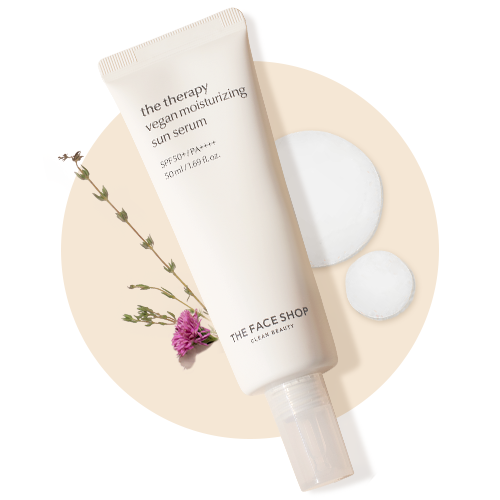
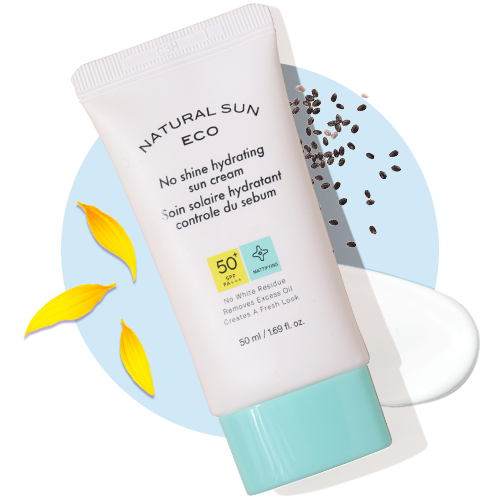
Prevention is the most critical part of the cure. In 2026, sunscreens are evolving into hybrid skincare products. We are seeing the rise of the serum sunblock products that offer high SPF protection while delivering active ingredients to fight existing pigmentation.
If you are using an alpha arbutin serum at night, skipping SPF during the day renders the treatment useless. The Indian sun is unforgiving, and UV rays stimulate melanin production instantly.
5. Multi-Functional Cocktails: Anti-Ageing Meets Brightening
Pigmentation often comes hand-in-hand with aging (age spots). Consequently, many users are looking for streamlined routines. Modern formulations are bridging the gap between a serum for anti ageing and pigmentation correctors. Ingredients like Retinol are being paired with brighteners to tackle fine lines and dark spots simultaneously, reducing the need for a cluttered shelf.
Frequently Asked Questions (FAQs)
What is the most effective serum for pigmentation in India?
The most effective serums currently combine tyrosinase inhibitors like Kojic Acid, Alpha Arbutin, and Niacinamide. These ingredients work well for Indian skin tones by reducing melanin production without causing inflammation.
Can I use a dark spot serum every day?
Yes, most modern formulations are designed for daily use. However, if your serum contains exfoliating acids (AHAs/BHAs), start with 2-3 times a week and build up tolerance. Always follow up with sunscreen.
How long does it take to see results from a hyperpigmentation serum?
Pigmentation is stubborn. With consistent use of a potent serum, you can expect to see visible improvements in 6 to 12 weeks. Cell turnover takes time, so patience is essential.
Can I layer collagen serum with pigmentation treatments?
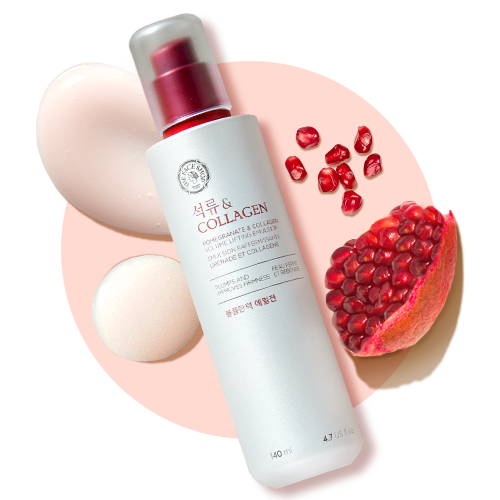
Absolutely. Using a collagen serum can help plump the skin and improve texture, making the skin appear more radiant while your pigmentation serum works on the dark spots.
Conclusion
Future-proofing your skin against pigmentation doesn't require a miracle; it requires consistency and the right ingredients. By choosing a targeted serum for pigmentation that utilizes modern delivery systems and gentle actives like Kojic Acid, you can achieve that lasting glow in 2026. Remember, a bright complexion starts with a healthy barrier and ends with sun protection.