

If you live in India, you know the struggle is real. Between the scorching heat of Delhi, the humidity of Mumbai, and the dry winters of the North, our skin goes through a rollercoaster of environmental stressors. For those of us with dry skin, the feeling is unmistakable: that uncomfortable tightness after washing your face, the flakiness that ruins your foundation, and the dullness that no amount of highlighter can fix.
The most common question I get in my inbox is: "Should I use a serum or a face oil?" It’s the ultimate skincare showdown. To build the best dry skin serum routine, you need to understand that these two products speak different languages to your skin.
The Science: Hydration vs. Moisturization
Before you click buy serum dry skin or grab that bottle of almond oil, let's break down the biology.
- Face Serums are the "water" your skin drinks. They have a small molecular structure designed to penetrate deep into the dermis. A hydrating face serum delivers active ingredients like Hyaluronic Acid, glycerin, and vitamins directly to the cells.
- Face Oils are the "blanket" that keeps the water in. They have a larger molecular structure that sits on the surface (the epidermis), repairing the lipid barrier and preventing Transepidermal Water Loss (TEWL).
The Verdict? You likely need both, but the order matters immensely.
Why a Serum is Non-Negotiable for Dry Skin
If your skin is dehydrated (lacking water), putting oil on it is like wrapping a dry sponge in plastic wrap. It stays dry inside. You need to wet the sponge first.
This is where a high-quality serum for dry skin steps in. These formulations are lightweight but potent.
Key Ingredients to Look For:
- Hyaluronic Acid: A hyaluronic acid serum acts as a humectant, drawing moisture from the air into your skin.
- Ceramides: These help rebuild the skin's barrier.
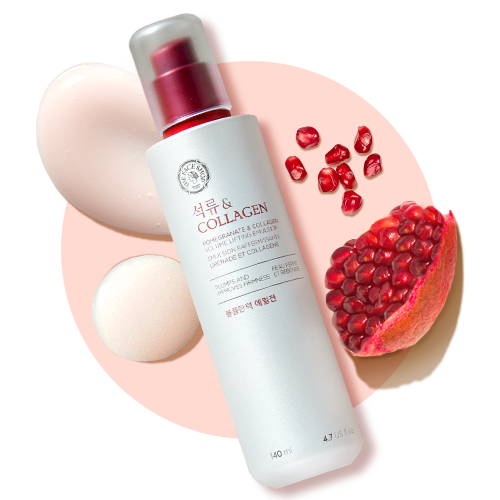
- Collagen: While often used for structure, a good collagen serum also aids in moisture retention.
Using a moisturizing face serum ensures that your skin cells are plump and hydrated before you seal them off.
The Perfect Layering Routine for Indian Skin
To achieve that glass-skin glow, follow this specific order of operations:
Step 1: Gentle Cleansing
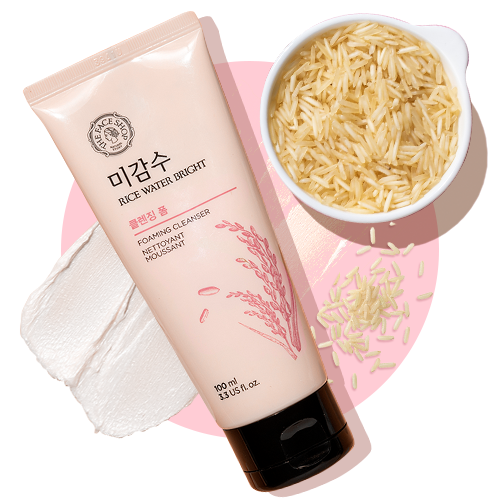
Avoid harsh foaming cleansers that strip natural oils. For dry skin, the double-cleanse method is a savior. Start with an oil based cleanser to melt away makeup and pollution without drying out your face.
Step 2: The Treatment Layer (Serum)
While your face is still slightly damp, apply your face serum dry skin treatment. If you are battling dullness alongside dryness, you might alternate with a serum for pigmentation to tackle uneven skin tone while hydrating.
Step 3: Seal with a Moisturizer or Oil
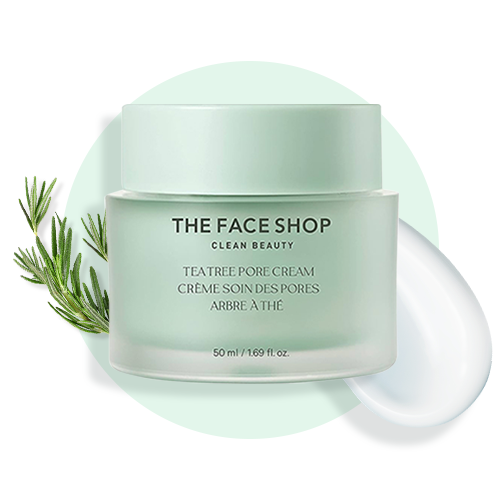
Now, lock it in. If you prefer a lighter texture during the humid monsoon, opt for an aqua moisturizer which provides an explosion of hydration without the grease. In drier months, top your moisturizer with a few drops of facial oil.
Step 4: Protection
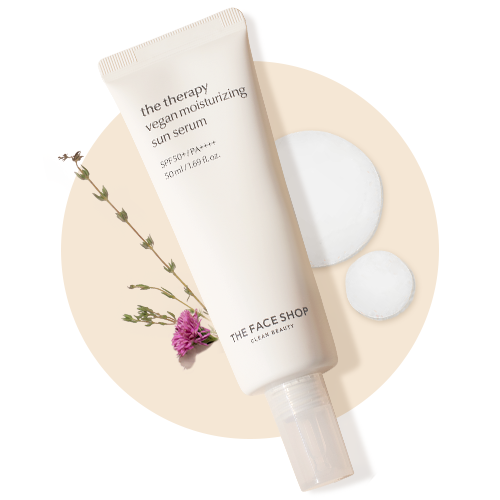
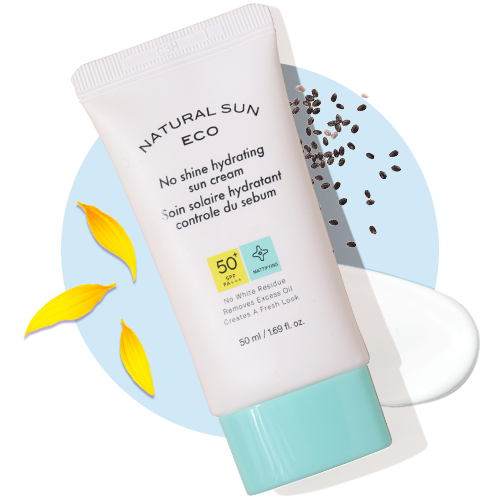
Never skip SPF. In the morning, you can streamline your routine by using a hybrid product like a serum sunblock which offers protection and treatment in one step.
Dealing with Mature Dry Skin
Dry skin tends to show fine lines faster than oily skin. If you are noticing premature wrinkles, you don't just need moisture; you need repair. Incorporating a serum for anti ageing into your night routine can stimulate cell turnover while you sleep.
Frequently Asked Questions (FAQs)
1. Can I use serum and face oil together?
Yes, absolutely. In fact, for dry skin, they work best as a team. Apply your serum for dry face first to hydrate, let it absorb for 30 seconds, and then apply face oil to lock that moisture in.
2. Is Hyaluronic Acid good for dry skin in dry climates?
Yes, but with a caveat. Hyaluronic acid draws moisture from the environment. If the air is very dry (like Indian winters), it might draw moisture out of your skin if not sealed properly. Always follow a hyaluronic acid serum with a moisturizer or oil.
3. How often should I use a serum for dry skin?
Twice daily. A hydrating face serum should be used morning and night after cleansing and toning for the best results.
4. What is the difference between serum and moisturizer?
Serums penetrate deep to treat specific concerns (hydration, pigmentation, ageing), while moisturizers work on the surface to smooth the skin and prevent water loss.