

If you live in India, you know the struggle. One minute you step out into the humid air of Mumbai or the dry heat of Delhi, and by noon, your T-zone looks like an oil slick. For years, the common logic was: "If it foams, it cleans." We loved that squeaky-clean feeling, didn't we?
But as a skincare formulation specialist, I’m here to tell you that the "squeak" is actually your skin screaming for help. When tackling oily, acne-prone skin especially in our pollution-heavy environment the texture of your cleanser matters just as much as the ingredients.
Today, let's settle the debate: Gel vs. Foam. Which one actually controls oil without ruining your skin barrier?
The Chemistry: What’s the Difference?
Before we pick a winner, we need to understand what we are putting on our faces.
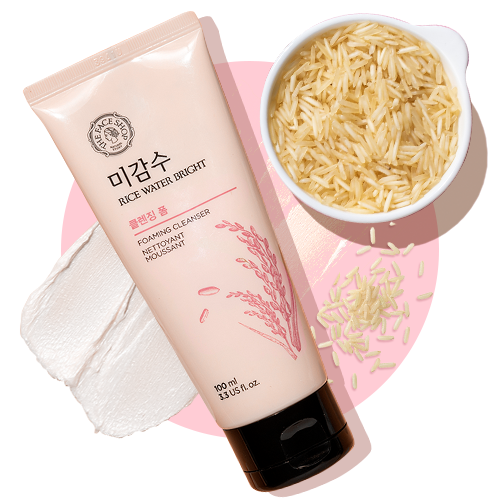
Foam Cleansers
Foam cleansers are typically formulated with high-foaming surfactants (like Sodium Lauryl Sulfate). They create a rich lather that is excellent at breaking down surface oil and makeup.
- Pros: Deep clean feeling, removes heavy grease.
- Cons: Can strip natural oils (sebum), leading to "rebound oiliness" where your skin produces more oil to compensate.
Gel Cleansers
Gel cleansers have a jelly-like consistency. They are usually water-based and rely on milder surfactants and fruit extracts.
- Pros: Hydrating, cleanses without stripping, offers a cooling effect (great for Indian summers).
- Cons: Doesn't foam as much, which can confuse users used to suds.
Why Indian Skin Needs a Specific Approach
Indian skin tends to have more sebaceous glands and higher melanin content. Combined with environmental dust and pollution, our pores get clogged easily.
While traditional facial cleansers are great for removing makeup, your morning and second-step cleanser needs to be a deep pore cleanser that targets bacteria, not just dirt.
The Verdict: Why Gel Wins for Acne-Prone Skin
For oily and acne-prone skin in India, Gel is the superior choice. Here is why:
- Barrier Protection: Acne-prone skin is often inflamed. A harsh foam cleanser aggravates this inflammation. A gel cleanser for oily skin removes excess sebum while keeping the skin barrier intact.
- Active Ingredients Delivery: Gel textures are excellent vehicles for active ingredients like Salicylic Acid and Tea Tree oil.
- No Residue: Gel rinses off completely without leaving a film or drying out the skin, unlike some cream-based soaps.
Meet Your Holy Grail: Tea Tree Power
If you are looking for the best tea tree cleanser tailored for this specific need, I highly recommend the Tea Tree Pore Clarifying Gel Cleanser 150ml.
This isn't just a face wash; it is a treatment step. Packed with tea tree extracts, it functions as a potent acne face wash India needs right now. It unclogs pores, soothes inflammation caused by heat and pollution, and controls sebum without the harsh drying effect of generic soaps.
How to Build the Perfect Routine
To get the most out of your tea tree face wash, layer your products correctly:
- Step 1: Cleanse. Use the Tea Tree Pore Clarifying Gel Cleanser. Massage it for 60 seconds to let the tea tree work on bacteria.
- Step 2: Exfoliate/Tone. Follow up with Tea Tree Toner Pads 150ml to wipe away dead skin cells.
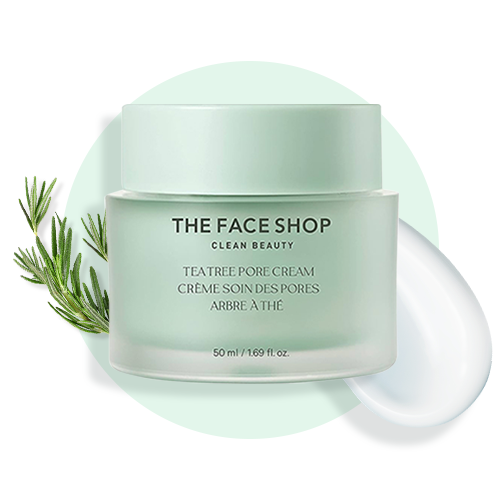
- Step 3: Treat & Moisturize. Finish with the Tea Tree Pore Cream 50ml to seal in hydration.
Note: If your skin feels dehydrated despite being oily (a common issue called dehydrated-oily skin), you might want to alternate with a gentle face wash in the mornings or use a heavier best moisturizing cream at night.
Frequently Asked Questions (FAQ)
1. Can I use a gel cleanser if I wear heavy makeup?
Yes, but use it as a second step. Use an oil-based remover first, then follow up with the Tea Tree Pore Clarifying Gel Cleanser to deep clean the pores.
2. Is Tea Tree good for sensitive skin?
Tea tree is natural but potent. In a well-formulated gel cleanser, it is diluted enough to be safe for most skin types. However, always patch-test if you have hypersensitive skin.
3. Will a gel cleanser stop my acne?
It is a crucial part of the process. By using a pore clarifying cleanser, you prevent the clogging that starts acne. However, diet and hormones also play a role.
4. How often should I use this face wash?
Twice daily. Once in the morning to remove night-time oils, and once at night to remove pollution and dirt.