

Have you noticed your skin feeling tighter by evening even though you stayed indoors all day?
Or maybe your face feels oily on the surface but uncomfortable underneath after long office hours.
Many people blame weather, pollution or skincare products first.
But one everyday factor often gets ignored:
Air conditioning.
Whether it is office AC, car cooling, flights or sleeping in air-conditioned rooms, constant exposure to dry indoor air can slowly affect how skin feels over time.
Korean skincare routines often focus heavily on maintaining hydration consistency because environment affects skin more than many people realize.
Why Air Conditioning Changes How Skin Feels
Air conditioning reduces humidity in the air.
Lower humidity can gradually increase moisture loss from skin.
This is why skin may start feeling:
-
tighter by afternoon
-
rough around the cheeks
-
dull despite skincare
-
oily yet dehydrated
-
less comfortable during long indoor hours
Many people notice these changes more strongly during workdays than weekends outdoors.
Why Skin Sometimes Becomes Oilier Indoors
This confuses a lot of people.
Skin may look shinier while still feeling dehydrated underneath.
When hydration levels feel unbalanced, skin sometimes responds by producing more oil.
This creates a cycle where:
-
skin feels oily
-
people wash more aggressively
-
skin feels tighter afterward
-
oil returns even faster
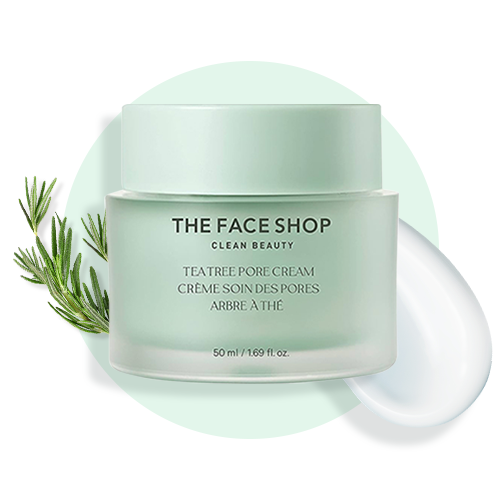
People balancing hydration without heaviness often explore Lightweight Moisturizers.
Air Conditioning and the Skin Barrier
The skin barrier helps reduce moisture loss and keeps skin feeling comfortable.
Dry indoor air can slowly affect that balance over time, especially when combined with:
-
over-cleansing
-
hot water
-
long work hours indoors
-
skipping moisturizer
-
over-exfoliation
Barrier-support routines often include Ceramide Rice Moisturizers.
Why Office Skin Feels Different From Home Skin
Many people notice their skin behaves differently at work.
This usually happens because indoor office environments combine several factors together:
-
continuous AC exposure
-
low humidity
-
screen fatigue
-
long sitting hours
-
irregular water intake
Skin may feel completely different by evening compared to morning.
Flights and Air Travel Affect Skin Too
Airplane cabins are extremely low-humidity environments.
This is one reason skin often feels:
-
dry after flights
-
rough during travel
-
dull after long trips
-
tight despite skincare
People who travel frequently often prefer simple hydration-focused routines instead of very heavy layers.
Why Korean Skincare Focuses on Layered Hydration
Korean skincare routines usually focus on maintaining hydration gradually throughout the day.
Instead of relying on one thick cream, routines often use lighter hydration layers.
A simple hydration routine may include:
-
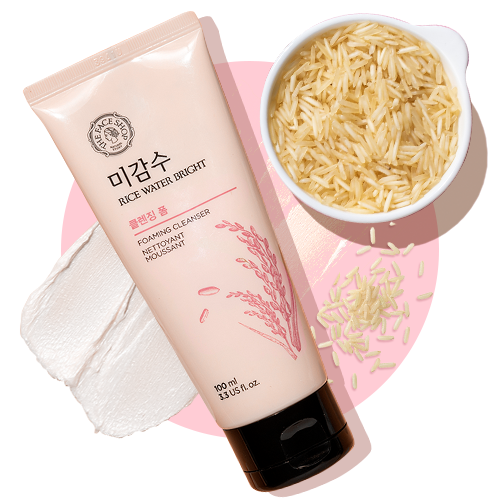
gentle cleanser
-
hydrating toner
-
lightweight serum
-
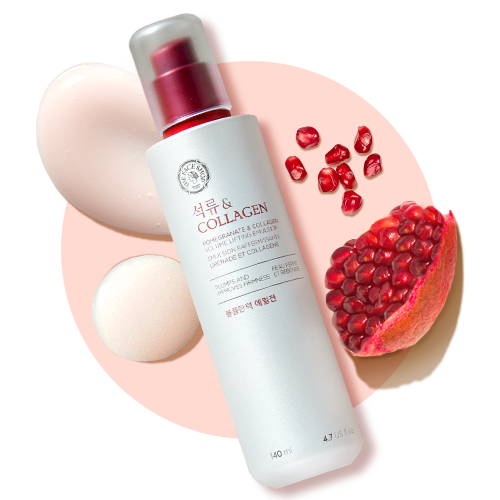
emulsion or moisturizer
-
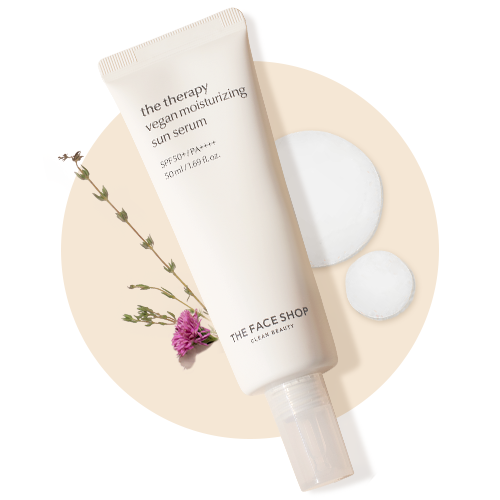
sunscreen
This often feels more comfortable in indoor environments than heavy skincare.
People exploring lighter hydration routines often begin with Emulsion Moisturizer.
Small Habits That Help Indoor Skin Feel Better
Sometimes routine habits matter more than adding stronger products.
Helpful changes may include:
-
avoiding very hot water
-
using gentler cleansers
-
keeping hydration consistent
-
applying moisturizer before long AC exposure
-
avoiding over-exfoliation
Consistency usually matters more than complicated routines.
One Small Change Made a Bigger Difference Than New Products
"I kept changing moisturizers because my skin felt dry every evening at work. Later I realized the office AC was affecting my skin more than the products themselves."
Environment often affects skin more than people expect.
Signs Your Skin May Be Reacting to Indoor Air
-
skin feels tight by evening
-
moisturizer fades quickly indoors
-
makeup starts looking patchy
-
cheeks feel rough while T-zone looks oily
-
skin feels dull after long office hours
These changes are often gradual rather than sudden.