

Many people think oily skin automatically means hydrated skin.
But that is not always true.
Skin can look shiny on the surface while still feeling tight, rough or uncomfortable underneath. By afternoon, the T-zone may appear greasy while cheeks feel dry at the same time.
This combination confuses a lot of people.
They try stronger face washes.
Skip moisturizer.
Use oil-control products constantly.
But sometimes the issue is not excess oil alone.
Sometimes skin is actually dehydrated.
Korean skincare routines often separate these two ideas clearly:
Oil and hydration are not the same thing.
Oily Skin vs Dehydrated Skin
Skin oil is called sebum.
Hydration refers to water content within the skin.
A person may naturally produce more oil while still lacking enough hydration.
That is why skin can feel:
-
oily but tight
-
shiny but rough
-
greasy yet uncomfortable
-
hydrated briefly but dry again later
This is especially common in humid weather and air-conditioned environments.
Why Skin Produces More Oil When It Feels Dehydrated
When skin feels dehydrated, it sometimes tries to compensate.
One response can be increased oil production.
This often creates a frustrating cycle:
-
Skin feels oily
-
Strong cleansers remove oil aggressively
-
Skin feels tighter afterward
-
Skin produces more oil again
Over time, routines become harsher while skin becomes more confused.
People trying to balance hydration without heaviness often explore Lightweight Moisturizers.
Signs Your Skin May Be Dehydrated Instead of Just Oily
You may notice:
-
skin feels tight after cleansing
-
makeup looks patchy despite shine
-
oil appears quickly during the day
-
skin feels greasy but uncomfortable
-
cheeks feel dry while forehead feels oily
-
skin looks dull instead of healthy
This is one reason many Korean skincare routines focus on hydration layers even for oily skin types.
Why Harsh Cleansing Usually Makes Things Worse
One of the most common mistakes is trying to remove every trace of oil.
Skin that feels squeaky clean after washing often becomes oily again faster.
Korean skincare routines usually focus on balanced cleansing instead of over-cleansing.
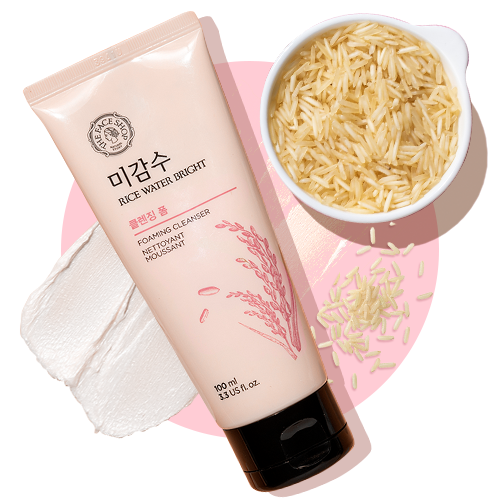
People simplifying routines often begin with Moisturizing Face Wash.
Why Skipping Moisturizer Can Backfire
Many people with oily skin stop using moisturizer completely.
At first this may feel lighter.
But later skin often feels:
-
tighter
-
shinier
-
more uncomfortable
-
oilier during the day
Hydration and moisturization still matter even when skin produces oil.
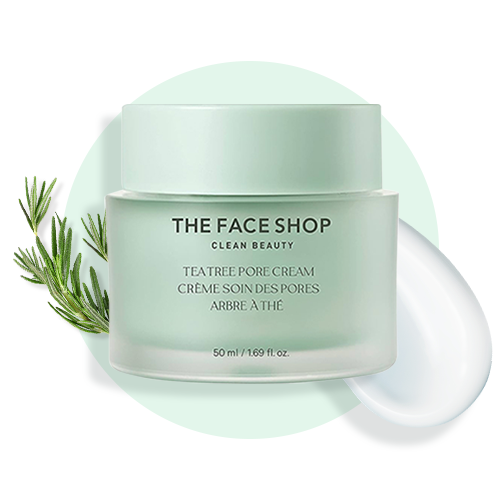
People wanting lighter hydration often explore Oil-Free Moisturizer.
Why Korean Skincare Uses Lightweight Hydration Layers
Korean skincare routines rarely depend on one thick cream.
Instead they often layer lightweight hydration.
This may include:
-
gentle cleanser
-
hydrating toner
-
lightweight serum
-
emulsion or gel moisturizer
-
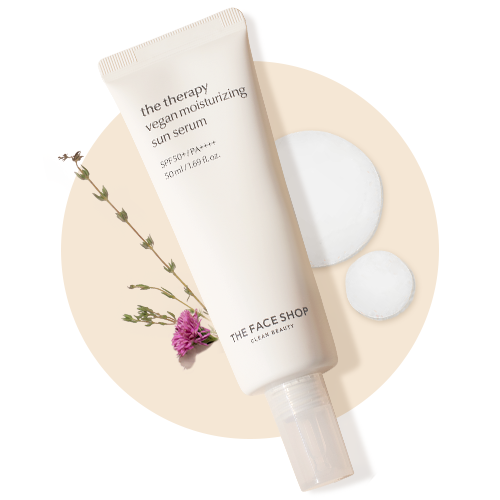
sunscreen
This layering approach helps skin feel hydrated without feeling heavy.
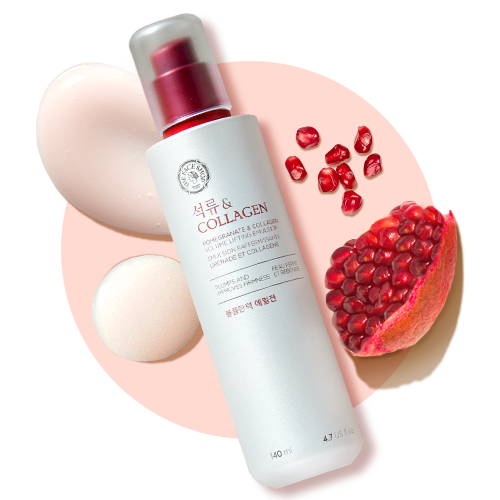
People exploring balanced textures often begin with Emulsion Moisturizer.
Humid Weather Can Be Misleading
Humidity changes how skin feels.
Sometimes skin looks oily simply because products sit differently in heat and moisture.
That does not always mean skin is fully hydrated.
This is one reason texture becomes important.
Heavy creams may feel uncomfortable in humid climates, while lighter layers often feel easier to wear consistently.
Air Conditioning Quietly Affects Hydration Too
Long office hours in air conditioning can affect skin more than people realize.
Skin may appear oily while still losing hydration slowly throughout the day.
This is especially common among people who spend most of the day indoors.
One Small Routine Shift Helped More Than Oil Control Products
"I kept using stronger face washes because my skin looked oily by noon. Later I realized my skin actually felt better once I switched to gentler cleansing and lightweight hydration."
Sometimes balance works better than aggressive oil control.
Habits That Can Make Oily-Dehydrated Skin Worse
-
washing face too often
-
skipping moisturizer
-
over-exfoliating
-
constantly changing products
-
using very hot water
-
using harsh cleansers daily
Skin usually responds better when routines stay consistent.