

Let’s be honest: living in India means your skin is constantly fighting a battle. Between the intense UV index in Mumbai, the dry pollution in Delhi, and the humidity in Chennai, our skin barrier takes a beating. While we grew up on dadi ke nuskhe (grandmother's remedies), the modern skincare world has flooded our feeds with a specific buzzword: Ceramides.
But here lies the confusion. Should you stick to heavy, pharmaceutical-grade Indian ointments, or switch to the viral K-Beauty trends? Specifically, the combination of rice and ceramide?
As a skincare editor who has tested hundreds of formulations on Indian skin, I’m breaking down the battle of the creams to help you find that ultimate "Desi Glow."
The Science: Why Indian Skin Needs Barrier Repair
Before we pick a winner, we need to understand the battlefield. Ceramides are lipids (fats) that make up over 50% of your skin’s composition. Think of them as the glue holding your skin cells together.
When this glue breaks down (thanks to pollution, harsh face washes, or skipping sunscreen), you get:
- Dullness and pigmentation.
- Rough texture.
- Sensitivity and redness.
Skin barrier repair isn't just a trend; in the Indian climate, it is a necessity.
Korean vs. Indian Formulations: The Texture War
While Indian pharmaceutical brands offer potent ceramide creams, they often lean towards heavy, occlusive textures meant for clinical eczema treatment. In our humidity, this often leads to the dreaded "chip-chip" (sticky) feeling or clogged pores.
Korean ceramide creams, on the other hand, are engineered differently. K-Beauty prioritizes:
- Layerability: Lightweight formulas that absorb instantly.
- Hybrid Ingredients: Mixing ceramides with brightening agents like Rice Extract.
- Hydration without Heaviness: Perfect for the Indian propensity toward combination/oily skin.
The Game Changer: Rice Water & Ceramides
Korean skincare didn't just stop at ceramides; they paired it with an ingredient deeply rooted in Asian culture: Rice.
While we use rice water as a hair rinse, Korean formulations like the Rice & Ceramide Moisturizing Cream utilize nano-technology to deliver rice extracts deep into the dermis. This combination hits two birds with one stone:
- Ceramides repair the barrier.
- Rice Extract targets uneven skin tone and brightens (the "Desi Glow" factor).
How to Build the Ultimate Glow Routine
To truly get that glass-skin look, you cannot rely on a cream alone. Here is a simple 4-step routine optimized for Indian skin:
Step 1: Gentle Cleansing
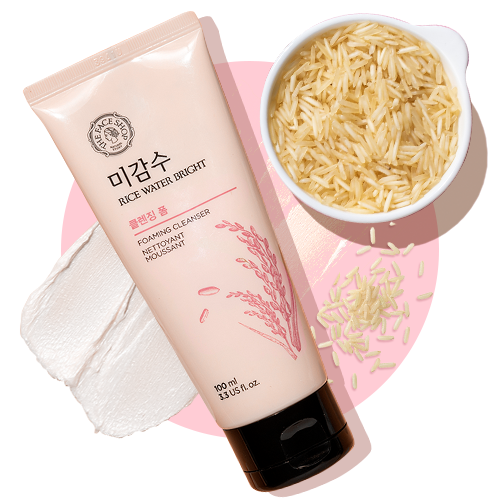
Start with a brightening wash. You want to remove pollution without stripping natural oils. A rice face wash is ideal here. For a deeper cleanse that maintains hydration, the Rice Water Bright line is a cult favorite among skincare enthusiasts.
Step 2: Hydrate and Prep
Using a rice water toner balances your pH levels. This step ensures that the heavy-lifting ingredients you apply next actually absorb rather than sitting on top of the skin.
Step 3: The Power Serum
If your barrier is severely damaged, consider adding a ceramide serum India loves for its lightweight texture. Alternatively, if you are tackling dark spots, a Vitamin C serum works beautifully under ceramide creams.
Step 4: Seal it In
This is the most critical step. Apply a generous layer of rice ceramide cream.
- Pro Tip: If you have extremely oily skin, you might prefer a gel-based texture. You can explore a lightweight ceramide moisturizer if you want something even lighter than cream.
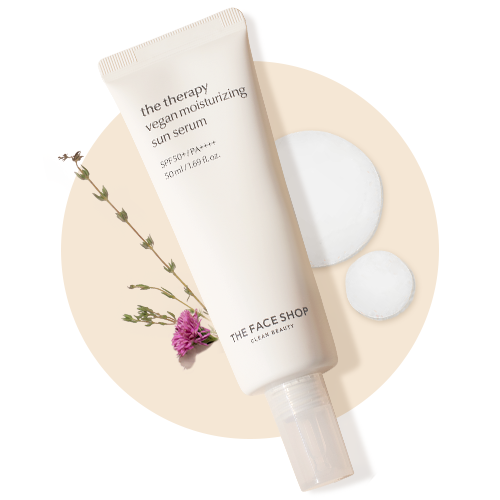
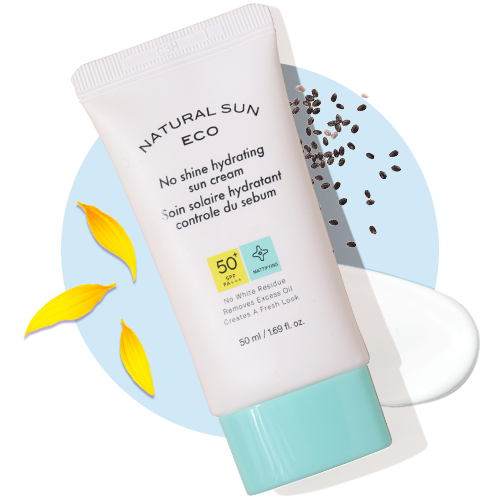
- Don't Forget Protection: No amount of ceramide will help if you burn in the sun. Always finish your morning routine with a broad-spectrum sunscreen cream.
Why K-Beauty Wins for the "Desi Glow"
While Indian pharmacy brands are excellent for medical conditions, for the cosmetic goal of a "glow," Korean rice skincare takes the trophy. The addition of rice extract specifically addresses the melanin-rich nature of Indian skin, helping to fade tan lines and pigmentation while the ceramides keep the skin plump.
Frequently Asked Questions (FAQ)
1. Can I use rice ceramide cream on oily acne-prone skin?
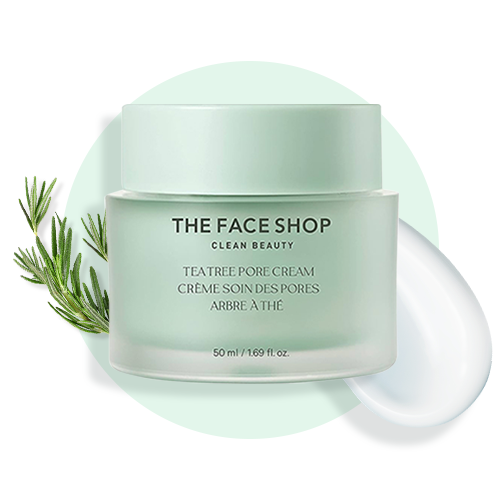
Yes. Unlike heavy Indian cold creams, Korean rice ceramide creams are usually lightweight. However, always patch-test. If you have active acne, you might want to pair it with Tea Tree products to control bacteria.
2. Is rice water toner better than chemical toners?
For barrier repair and brightening, yes. Rice water is soothing and hydrating, whereas harsh chemical toners can strip the skin, worsening the barrier damage.
3. How long does it take to see results from a ceramide moisturizer?
Barrier repair can be felt overnight (softer skin), but the visual "glow" and reduction in pigmentation from the rice extract usually takes 4-6 weeks of consistent use.
4. Can I layer ceramide with other actives?
Absolutely. Ceramides are the peacemakers of skincare. They play well with Vitamin C, Retinol, and AHAs/BHAs, helping to reduce the irritation these strong actives might cause.