

If you live in India, you know the struggle: humidity, pollution, and heat create the perfect storm for oily skin and breakouts. Standing in the skincare aisle (or browsing online), you are often faced with two heavyweights in the battle against acne: Tea Tree and Salicylic Acid.
Both are legendary for pimple control, but they work in very different ways. Should you go for the natural, soothing route or the chemical exfoliant? As a skincare expert focusing on Indian skin concerns, I’m breaking down the debate to help you choose the right warrior for your face.
Understanding the Contenders
1. Tea Tree: The Natural Antiseptic
Derived from the Melaleuca alternifolia plant, Tea Tree oil is a powerhouse natural ingredient. It is famous for its antibacterial and anti-inflammatory properties.
- How it works: It kills acne-causing bacteria (P. acnes) and reduces redness without stripping the skin’s natural moisture barrier.
- Best for: Sensitive, oily skin, whiteheads, and maintenance to prevent future breakouts.
- Why Indian Skin loves it: It provides a cooling sensation, which is a relief during Indian summers.
2. Salicylic Acid: The Deep Pore Cleaner
Salicylic Acid is a Beta Hydroxy Acid (BHA). It is oil-soluble, meaning it can penetrate deep into the pores.
- How it works: It dissolves the debris and sebum clogging your pores and acts as an exfoliant.
- Best for: Blackheads, cystic acne, and very tough, congested skin.
- The Downside: It can be drying. In the harsh Indian sun, over-exfoliated skin can become photosensitive and prone to pigmentation.
The Verdict: Which Should You Choose?
While Salicylic Acid is excellent for severe congestion, Tea Tree is often the superior choice for daily use, especially for those who want to treat acne while maintaining hydration. Many users find that chemical acids can damage the skin barrier if used daily, whereas a Tea Tree face wash is gentle enough for morning and night use.
Comparison at a Glance
| Feature | Tea Tree | Salicylic Acid |
|---|---|---|
| Origin | Natural Plant Extract | Chemical BHA |
| Primary Action | Antibacterial & Soothing | Exfoliating & Dissolving |
| Sensitivity | Low (Gentle) | High (Can be drying) |
| Daily Use? | Yes, highly recommended | Use with caution |
How to Build an Acne-Fighting Routine (The Indian Edit)
To get the best results, you need a routine that balances treatment with protection.
Step 1: Gentle Cleansing
Start with a cleanser that removes excess oil but doesn't leave your skin feeling 'tight'. The Tea Tree Face Wash is formulated to clear impurities while keeping the skin soft. It’s a staple for tackling Tea Tree for acne concerns without the harshness of sulfates.
Step 2: Targeted Treatment
After cleansing, apply a Tea Tree serum or toner. This concentrates the antibacterial properties on problem areas. If you have specific dull spots or pigmentation left behind by old acne, you might alternate this step in the evenings with a Vitamin C serum to brighten the skin.
Step 3: Hydration is Key
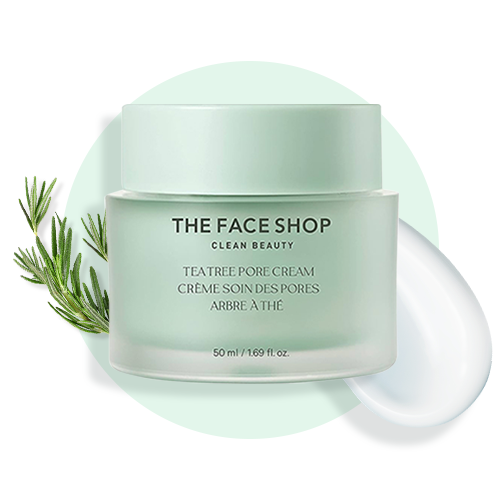
A common myth is that oily skin doesn't need moisturizer. False! If you dry out your skin, it produces more oil to compensate. Use a lightweight Tea Tree moisturizer or a gel-based hydrator. If your skin barrier feels compromised, a ceramide moisturizer can help repair it while keeping acne at bay.
Step 4: Sun Protection (Non-Negotiable)
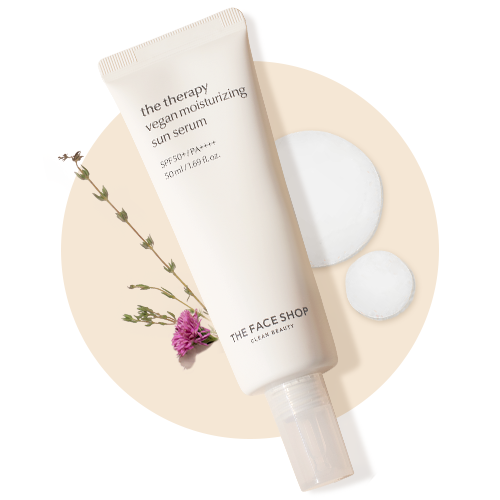
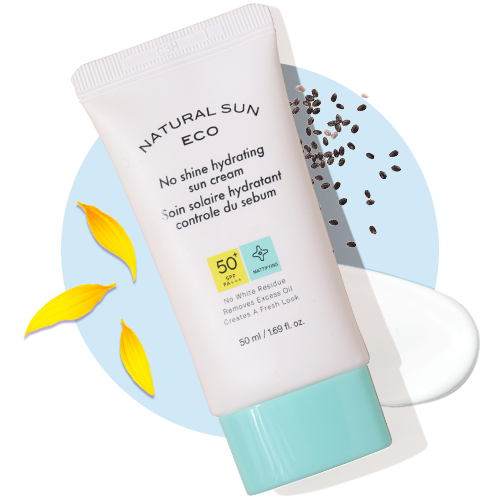
Whether you use Tea Tree or Salicylic Acid, your skin needs protection from UV rays. Finish your morning routine with a matte-finish sunscreen cream that won't clog your pores.
Frequently Asked Questions (FAQ)
1. Can I use Tea Tree oil directly on my face?
Pure essential oils are potent. It is safer to use formulated Tea Tree products online, such as face washes or diluted serums, rather than applying 100% undiluted oil which can cause burns.
2. Is Tea Tree better for oily skin than Salicylic Acid?
For daily maintenance of Tea Tree oily skin issues, yes. Tea Tree regulates oil production naturally, whereas Salicylic Acid dries it out. Tea Tree offers a better balance for long-term skin health.
3. Can I use Tea Tree and Salicylic Acid together?
Yes, but be careful. Using a Salicylic Acid toner followed by a Tea Tree moisturizer is a good way to combine them. Avoid using high concentrations of both simultaneously to prevent irritation.
4. How long does it take for Tea Tree to work on pimples?
You can often see a reduction in redness within 24 hours. For total clearance of Tea Tree pimple control, consistent use over 2-4 weeks is recommended.
Conclusion
Choosing between Tea Tree and Salicylic Acid boils down to your skin's tolerance. If you want a sustainable, gentle, and effective way to manage acne without compromising your skin barrier, the Tea Tree range is your best bet. It harnesses nature's power to keep your skin clear, calm, and resilient against the Indian climate.