
Quick Summary
Discover how to choose the right cleanser and serum textures for Indian skin during the humid monsoon. Our buying guide explains which formulas truly work, with practical tips and INR-value insights.
Monsoon in India brings relief from the heat, but also a surge in humidity, stickiness, and skin concerns. If your usual 'gentle' cleanser or serum suddenly feels too heavy or ineffective, you are not alone. This buying guide unpacks exactly which textures and ingredients work best for Indian skin during the monsoon, so you can confidently build a routine that keeps your skin clear, balanced, and glowing.
1. Why Monsoon Demands a Texture Rethink
Humidity levels in Indian cities like Mumbai, Kolkata, and Chennai can soar above 80% during monsoon. This triggers excess oil production, clogged pores, and dullness, even for those with normal skin. Traditional creamy cleansers or thick serums may leave a residue, making skin feel greasy or congested. Instead, lightweight, water-based, and gel textures are proven to rinse clean and absorb quickly, preventing breakouts and stickiness (NCBI).
- Counterintuitive fact: Even dry skin types can feel oilier in monsoon due to sweat and sebum mixing on the surface.
- Practical tip: Switch to lighter textures, but do not skip hydration - dehydration can worsen oiliness.
2. Decoding Cleanser Textures: Gel, Foam, or Water-Based?
Choosing the right cleanser texture is crucial in humid weather. Here is how they compare for Indian skin:
- Gel Cleansers: Ideal for oily and combination skin. They remove excess oil without stripping, and rinse off easily. Look for sulfate-free formulas to avoid over-drying.
- Lightweight Foams: Offer a refreshing cleanse, especially for those who sweat a lot. However, some foams can be drying if they contain harsh surfactants.
- Water-Based Cleansers: Great for all skin types, especially sensitive or acne-prone. They dissolve sweat and pollution without leaving residue.
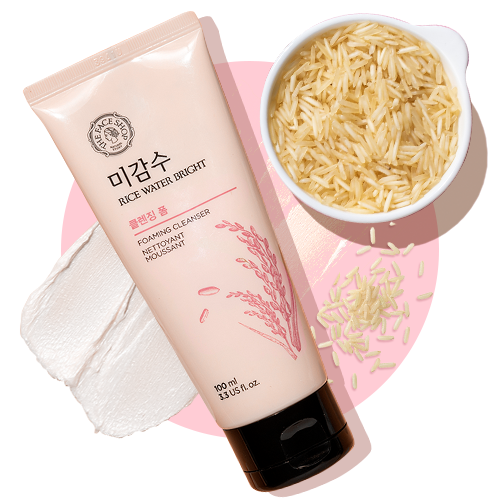
For example, Rice Water Bright Cleansing Foam from The Face Shop delivers a gentle yet effective cleanse, using rice water extract to brighten and clarify without heaviness. At around INR 650 for 150ml, it offers excellent value for daily use.
3. Monsoon Serum Textures: Water-Gel, Emulsion, or Essence?
Serums are concentrated actives, but their texture determines how well they work in humidity. Here is what works best:
- Water-Gel Serums: Absorb instantly, leaving no sticky film. Perfect for oily, acne-prone, or combination skin.
- Light Emulsions: Offer hydration with a featherlight feel. Suitable for normal to dry skin that still needs moisture in monsoon.
- Essences: Thinner than serums, they layer well and boost absorption of other products.
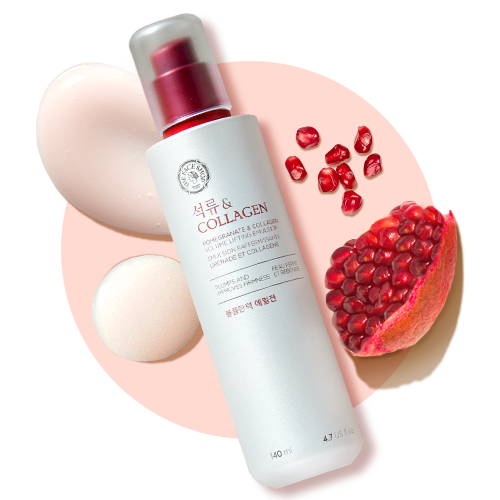
Indian consumers often overlook emulsions, but products like Ceramide & Rice Lightweight Emulsion for Barrier Repair combine barrier support with a non-greasy finish, making them ideal for humid climates. At INR 990 for 150ml, it is a smart investment for long-term skin health.
4. Ingredient Spotlight: What to Seek (and Avoid) in Monsoon
Not all actives are created equal for the monsoon. Here is what to prioritize:
- Vitamin C (Ethyl Ascorbic Acid, Sodium Ascorbyl Phosphate): Brightens and protects against pollution-induced dullness.
- Niacinamide: Regulates oil, minimizes pores, and evens skin tone.
- Hyaluronic Acid: Hydrates without heaviness - look for low molecular weight forms.
- Rice Extract, Ceramides: Strengthen skin barrier, especially if you experience irritation or sensitivity.
What to avoid: Heavy oils, thick creams, and comedogenic ingredients like coconut oil or lanolin, which can clog pores in humidity.
5. Oily Skin? Why 'Gentle' Alone Is Not Enough
Many Indian consumers with oily skin gravitate to 'gentle' cleansers, but during monsoon, this is not always sufficient. Excess humidity can mix with sebum, leading to more frequent breakouts. A gel or foam cleanser with mild exfoliating ingredients (like rice extract or low-dose salicylic acid) can help keep pores clear without irritation.
-
Mini-checklist for oily skin:
- Choose gel or water-based cleansers
- Look for niacinamide or rice extract in serums
- Avoid heavy moisturizers; opt for emulsions or water-gel serums
Explore our Post Acne Marks collection for targeted solutions if breakouts leave marks behind.
6. Combination Skin: Balancing Act in Humid Weather
Combination skin can be tricky in the monsoon - your T-zone may get oilier, while cheeks stay normal or even dry. The solution is to layer lightweight products:
- Start with a gentle gel cleanser
- Apply a water-gel serum with niacinamide or vitamin C
- Finish with a light emulsion only on drier areas
Pro tip: Patch test new serums on your T-zone first to ensure they do not trigger excess oil.
7. INR Value: How to Get the Most from Your Monsoon Skincare
Skincare budgets matter. The good news is that effective monsoon cleansers and serums do not have to be expensive. For example, a 150ml tube of Rice Water Bright Cleansing Foam lasts 2-3 months with twice-daily use, costing less than INR 12 per wash. Similarly, lightweight emulsions and water-gel serums deliver concentrated actives, so a little goes a long way.
- Look for multi-tasking products (e.g., serums with both niacinamide and vitamin C)
- Buy in bundles or during festive sales for extra savings
- Always check ingredient lists to ensure you are not paying for fillers
8. Building Your Monsoon Routine: Step-by-Step for Indian Skin
Here is a simple, effective routine for the humid season:
- Cleanse: Use a gel or water-based cleanser morning and night.
- Treat: Apply a water-gel serum or essence with vitamin C or niacinamide.
- Moisturize: Layer a lightweight emulsion if needed, focusing on drier areas.
- Protect: Do not skip sunscreen, even on cloudy days.
For concerns like dark spots or uneven skin tone, explore our Dark Spots on Face and Uneven Skin Tone collections for targeted actives that work in monsoon humidity.
9. Limitations and What to Expect: Transparency Matters
While switching to lighter textures and the right actives can dramatically improve skin during the monsoon, results vary by individual. Factors like genetics, diet, and local water quality also play a role. Always patch test new products, especially if you have sensitive or allergy-prone skin. If you experience persistent irritation or breakouts, consult a dermatologist for tailored advice.
10. The Face Shop: Your Trusted Partner for Monsoon Skincare
With a legacy of science-backed Korean formulations adapted for Indian skin, The Face Shop offers a curated range of cleansers, serums, and emulsions designed for humid climates. All products are dermatologist-tested, cruelty-free, and formulated without harsh sulfates or parabens. Explore our collections to build a routine that works for you this monsoon.
FAQ
Which cleanser texture is best for oily skin during the Indian monsoon?
A gel or lightweight foam cleanser is ideal for oily skin in humid Indian weather. These textures remove excess oil and sweat without over-drying or leaving residue.
Are thick serums bad for monsoon season?
Thick or oil-based serums can feel heavy and may clog pores during monsoon. Water-gel or lightweight emulsions are better suited for humid climates.
Can I use vitamin C serum in the monsoon?
Yes, vitamin C serums (especially with ethyl ascorbic acid or sodium ascorbyl phosphate) help brighten and protect skin from pollution. Choose a lightweight, non-sticky formula.
How can I get the most value from my monsoon skincare products?
Opt for concentrated products that last longer, buy during sales, and look for multi-tasking formulas. For example, a 150ml cleanser can last up to 3 months with twice-daily use.
Should I change my skincare routine if I have combination skin in monsoon?
Yes, layer lightweight products: use a gel cleanser, water-gel serum, and apply emulsion only on dry areas. This balances oil and hydration without heaviness.