
Quick Summary
Discover a gentle, step-by-step night routine for sensitive Indian skin that targets early signs of aging without causing redness. Learn how to use anti-aging ingredients safely in India’s climate.
Starting an anti-aging routine can feel overwhelming, especially if you have sensitive skin and live in India’s hot, humid, or unpredictable climate. Many worry that powerful ingredients like retinol or peptides will cause redness, burning, or breakouts. The good news? With the right approach, you can target early signs of aging - like fine lines and dullness - without irritation. Here’s a dermatologist-informed, step-by-step night routine tailored for sensitive Indian skin, with practical examples, INR value framing, and clear, evidence-led tips.
1. Why Sensitive Indian Skin Needs a Special Anti-Aging Approach
Indian skin is often more prone to pigmentation, sensitivity, and post-inflammatory marks due to higher melanin content. Add to that the challenges of heat, humidity, and pollution, and it’s clear why a gentle, customized routine is essential. Studies show that Indian consumers are more likely to experience irritation from harsh actives, especially in summer months when sweat and pollution can compromise the skin barrier (source).
- Common triggers: Fragrances, alcohol-based toners, and strong exfoliants.
- Key needs: Barrier protection, hydration, and gradual introduction of anti-aging actives.
Choosing products designed for sensitive skin and Indian climates is not just a preference - it’s a necessity for long-term results.
2. Step 1: Gentle Cleansing to Prep Your Skin
Cleansing is the foundation of any night routine. For sensitive Indian skin, opt for a low-foam, non-stripping cleanser that removes sweat, sunscreen, and pollution without disrupting your skin barrier. Over-cleansing can worsen redness and sensitivity, especially in hot weather.
- Look for pH-balanced formulas (around 5.5) and avoid harsh surfactants.
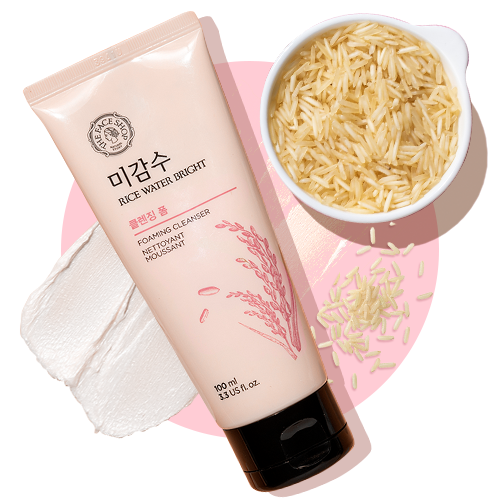
- In the ₹400–₹700 range, Rice Water Bright Cleansing Foam is a gentle, effective option that suits most sensitive skin types.
- Tip: Use lukewarm water, not hot, to prevent further irritation.
3. Step 2: Hydrating Toners and Essences - Why Less Is More
Many Indian consumers skip toners, fearing they’ll sting or dry out the skin. But modern, alcohol-free hydrating toners can actually calm redness and prep your skin for actives. Look for ingredients like glycerin, panthenol, or rice extract, which are gentle and effective for sensitive skin.
- Apply with hands, not cotton pads, to minimize friction.
- In humid cities like Mumbai or Chennai, a lightweight essence can double as a toner and hydrator.
- Mini-checklist: Alcohol-free, fragrance-free, and non-astringent.
4. Step 3: Introducing Gentle Anti-Aging Actives - Retinol and Peptides
This is where most sensitive skin routines go wrong. Retinol is proven to fight fine lines and pigmentation, but it can be harsh. The key is to start with low concentrations (0.1–0.3%), use only 2–3 times a week, and always buffer with moisturizer. Peptides are another excellent option - studies show they stimulate collagen with minimal irritation, making them ideal for Indian skin prone to redness.
- Retinol for sensitive skin: Choose encapsulated or slow-release formulas. Start with a pea-sized amount, and never mix with exfoliating acids.
- Peptides: Look for creams or serums labeled for sensitive or mature skin. These are often priced ₹800–₹1500, but last several months.
- Pro tip: Patch test behind your ear for 3 days before applying to your face.
Trade-off: Retinol delivers faster results but carries a higher risk of irritation. Peptides are slower but safer for daily use.
5. Step 4: Moisturizing - Barrier Repair Is Non-Negotiable
Hydration is your best defense against both aging and irritation. Sensitive Indian skin often loses moisture quickly due to air conditioning, pollution, and harsh weather. Choose a moisturizer with ceramides, hyaluronic acid, or squalane. Avoid heavy, greasy creams in summer; opt for gel-cream textures instead.
- For dry sensitive skin, explore the Moisturizer for Dry Skin collection for barrier-repairing options.
- For winter or air-conditioned environments, richer creams from the Winter Moisturizer range provide lasting comfort.
- INR value: Good moisturizers start at ₹500 and can last 2–3 months with nightly use.
6. Step 5: Targeted Treatments - Masks for Sensitive Skin
Weekly masks can boost results, but choose wisely. Avoid clay or peel-off masks if you’re prone to redness. Instead, opt for calming sheet masks with centella, rice, or aloe. These soothe irritation, hydrate, and support your anti-aging goals without causing flare-ups.
- Sheet masks from the Masks collection are affordable (₹100–₹200 each) and easy to use after cleansing.
- Apply once a week for best results - more is not always better for sensitive skin.
- Counterintuitive fact: Over-masking can actually weaken your barrier.
7. Early Wrinkle Prevention: What Works for Indian Skin in Your 20s and 30s?
Early wrinkles - think faint lines around the eyes or mouth - often appear in your late 20s or early 30s. In India, sun exposure and pollution accelerate this process. Prevention is key:
- Use gentle antioxidants like niacinamide or vitamin C in the morning (always follow with sunscreen).
- Nightly use of peptides or low-strength retinol can delay deeper wrinkles.
- INR tip: Investing in prevention (₹700–₹1500/year) is more cost-effective than treating deep wrinkles later.
Limitation: No routine can erase wrinkles overnight. Consistency and patience are essential.
8. Adapting Your Routine for Indian Climates - Summer, Monsoon, and Winter
India’s climate varies dramatically. Your night routine should adapt accordingly:
- Summer: Use lightweight gel moisturizers and reduce actives if sweating increases irritation.
- Monsoon: Focus on barrier repair; humidity can make skin more reactive.
- Winter: Layer hydrating serums under richer creams from the Winter Moisturizer collection.
Example: In Delhi’s dry winter, a creamy moisturizer is essential, while in Chennai’s humid summer, a gel-cream suffices.
9. Common Mistakes to Avoid - And How to Fix Them
- Skipping moisturizer after actives: Always seal in serums with a moisturizer to prevent irritation.
- Using too many new products at once: Introduce one active at a time, with a 2-week gap.
- Ignoring patch tests: Always test new products behind your ear or on your wrist.
- Not adjusting for climate: Change textures and actives based on season and city.
Remember: Gentle routines work best when you listen to your skin and adjust as needed.
10. Building Your Routine - A Sample Night Regimen for Sensitive Indian Skin
Here’s a practical, step-by-step night routine using products and collections available at The Face Shop:
- Cleanse: Use Rice Water Bright Cleansing Foam.
- Tone: Apply a hydrating, alcohol-free toner.
- Treat: Use a peptide serum or low-strength retinol (2–3 times a week).
- Moisturize: Choose from the Moisturizer for Dry Skin or Winter Moisturizer collections based on your skin’s needs.
- Mask (weekly): Apply a calming sheet mask from the Masks collection.
Adjust frequency and product types based on your skin’s response and the season.
Conclusion: Gentle, Consistent Care Wins for Sensitive Indian Skin
Fighting early aging doesn’t have to mean redness or discomfort. By choosing gentle, evidence-backed ingredients and adapting your routine to India’s climate, you can achieve smoother, healthier skin - without irritation. Remember, consistency is more important than intensity. Start slow, listen to your skin, and invest in products that respect your unique needs.
FAQ
Can I use retinol if I have sensitive Indian skin?
Yes, but start with a low concentration (0.1–0.3%), use only 2–3 times a week, and always follow with a moisturizer. Patch test before full use to minimize risk of redness or irritation.
What is the best moisturizer for sensitive skin in India’s summer?
Look for lightweight, gel-based moisturizers with ceramides or hyaluronic acid. The Face Shop offers several options in the Moisturizer for Dry Skin collection that suit hot, humid conditions.
How do I prevent early wrinkles if I’m in my 20s?
Use gentle antioxidants like niacinamide or vitamin C in the morning and peptides or low-strength retinol at night. Always wear sunscreen during the day for best prevention.
Are sheet masks safe for sensitive skin?
Yes, if you choose calming, fragrance-free masks with ingredients like rice, centella, or aloe. Avoid clay or peel-off masks, which can trigger redness.
How often should I change my routine for different Indian seasons?
Adjust textures and actives every season. Use lighter products in summer and richer creams in winter. Listen to your skin and adapt as needed.