

Does your skin feel like it’s two sizes too small for your face the moment you step out of the shower? If you are battling the unique challenges of the Indian climate from the humid monsoons to the bone-dry winters of the North finding the right hydration partner is critical.
The skincare aisle is divided into two distinct camps: the lightweight, bouncy gels and the rich, comforting creams. But when your moisture barrier is compromised, which one is truly your soulmate?
As a skincare consultant who has analyzed hundreds of ingredient lists, I’m breaking down the science of texture to help you choose the best dry skin moisturizer for your specific needs.
The Fundamental Difference: Water vs. Oil
To make an informed choice, we first need to understand the vehicle delivering the hydration.
- Gel Moisturizers: These are water-based formulas. They are often oil-free and rely on humectants (like Hyaluronic Acid) to pull water into the skin. They feel cooling and absorb instantly.
- Cream Moisturizers: These are typically emulsions of oil and water. They contain a higher percentage of lipids and occlusives (like Shea Butter or Ceramides) which seal moisture in.
Why Dry Skin Usually Swipes Right on Creams
Dry skin lacks oil, not just water. While a gel provides a splash of hydration, it often lacks the occlusive layer needed to keep that hydration from evaporating. A rich face cream for dry skin mimics the skin's natural lipid barrier, preventing Transepidermal Water Loss (TEWL).
If you are looking for a dedicated moisturizer for dry skin, you generally want a formula that offers a "protective blanket" feel rather than a "vanishing" feel.
The Korean Skincare Perspective: Layers and Textures
Korean beauty (K-Beauty) has revolutionized how we view hydration. In the K-Beauty philosophy, it isn't always one or the other; it's about ingredients.
A Korean dry skin cream often combines the best of both worlds—offering the deep nourishment of a cream without the heavy, greasy after-feel that many Indian consumers dislike. They often utilize advanced ingredients like:
- Ceramides: To repair the barrier.
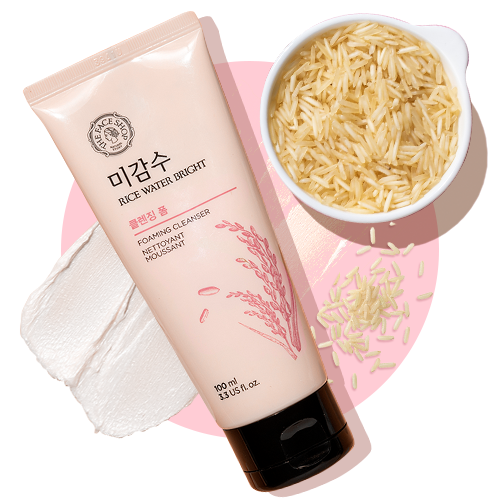
- Rice Water/Extracts: For brightening and softening.
- Mango Seed Butter: For intense, non-comedogenic moisture.
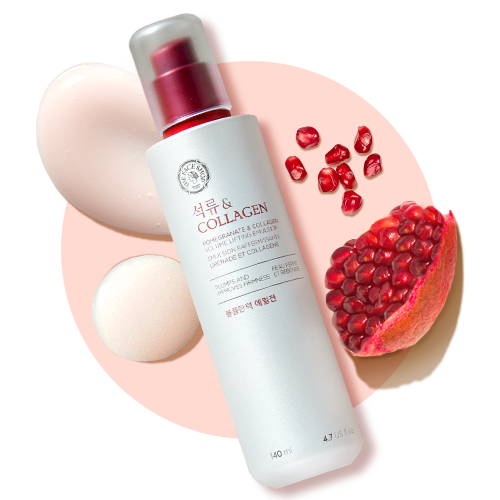
For those specifically targeting aging concerns alongside dryness, integrating a collagen cream can provide structural support, plumping up fine lines caused by dehydration.
When to Use Which: A Seasonal Guide for India
Your skin's needs change with the weather. Here is a cheat sheet:
- Summer/Monsoon: If your dry skin feels sweaty, you might lean towards a heavier gel-cream or a specialized aqua moisturizer that provides an explosion of hydration without clogging pores.
- Winter: This is non-negotiable territory. You need a heavy-duty winter dry skin cream. Look for textures that hold their shape in the jar.
- Night Routine: Your skin enters repair mode at night. This is the perfect time to layer a collagen serum followed by a thick moisturizer to wake up with a glow.
Pro Tip: Consistently following a structured am pm skincare routine ensures your moisture barrier remains intact regardless of the season.
5 Signs You Are Using the Wrong Texture
- Your skin feels tight 30 minutes after application.
- You see dry patches or flaking around the nose.
- Your foundation looks cakey or separates.
- Your skin looks dull or ashy.
- You feel a stinging sensation (often a sign of a damaged barrier).
If you have reactive skin, ensure you are using a specialized Moisturiser for Sensitive Skin to avoid irritation while hydrating.
Frequently Asked Questions (FAQ)
1. Is gel moisturizer ever good for dry skin?
Yes, but usually as a layer. You can use a hydrating gel as a serum step, but you must seal it with a cream to prevent the water from evaporating.
2. What ingredients should I look for in a sensitive dry skin moisturizer?
Look for Ceramides, Panthenol (Vitamin B5), Centella Asiatica, and squalane. Avoid high alcohol content and heavy synthetic fragrances.
3. Can I use a ceramide moisturizer in India's summer?
Absolutely. A lightweight ceramide moisturizer India loves is essential because ceramides repair the barrier, which protects against AC dryness and pollution, regardless of the heat.
4. What is the difference between a hydrating face cream and a moisturizing cream?
"Hydrating" adds water (humectants), while "Moisturizing" adds oil/lipids (occlusives). Dry skin needs both, but emphasizes the moisturizing (lipid) aspect.
Conclusion
While gel moisturizers are fantastic for a quick burst of water, a hydrating face cream is the true soulmate for dry skin. It provides the long-term relationship your skin needs protection, nourishment, and repair. Don't fear the texture; embrace the glow.